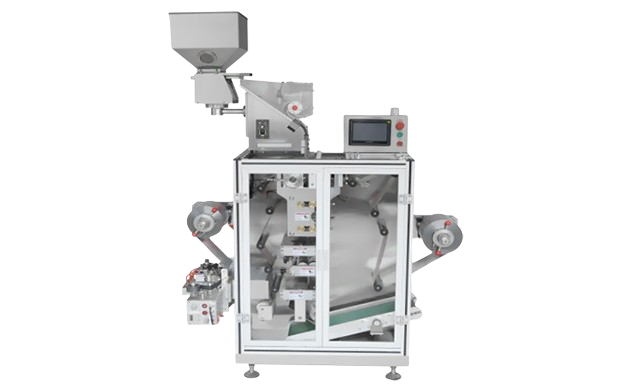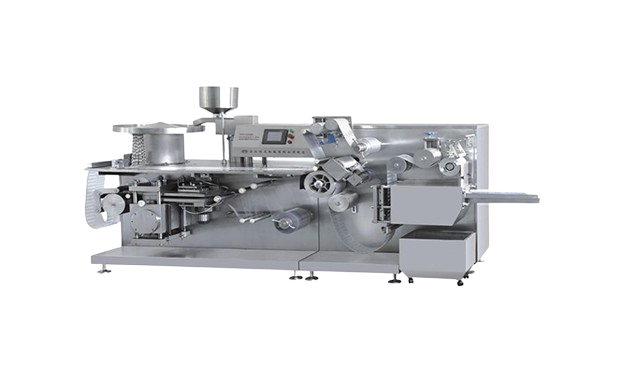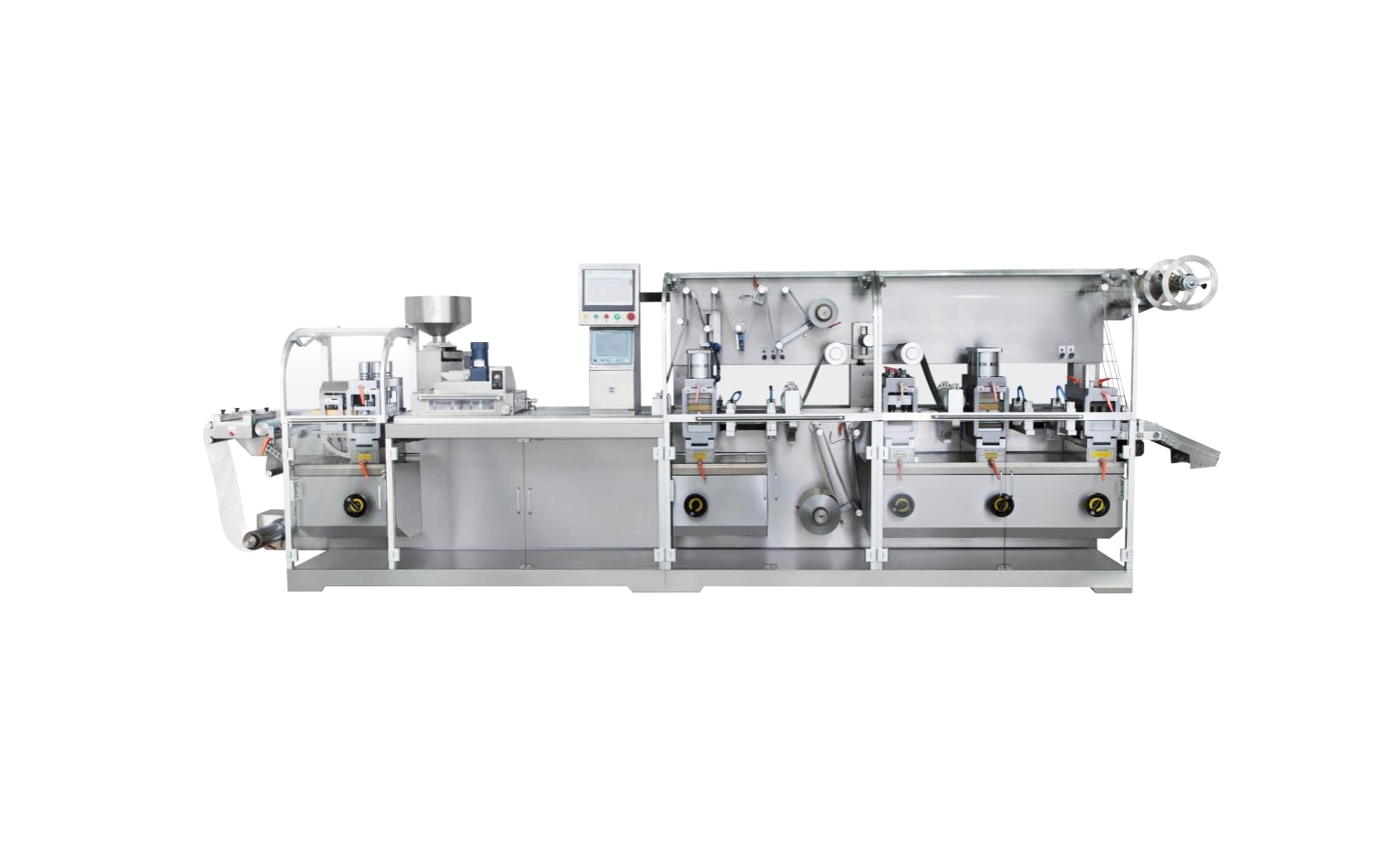
Choosing the best capsule filling machine in 2026 is no longer just about finding a cheap plastic board with enough holes. Buyers now compare capacity, capsule size compatibility, powder behavior, filling accuracy, cleaning time, automation level, and long-term production cost. For home users and small-batch supplement makers, a 24-hole, 50-hole, or 100-hole capsule filling machine manual model may be enough. For supplement manufacturers, pharmaceutical plants, nutraceutical brands, and contract manufacturers, the real question is usually when to move from a manual device to a capsule filling machine—an automatic or fully automatic solution.
This guide compares seven leading options for 2026, including six popular manual and home-use models from the provided product data and one B2B-focused SED Pharma capsule filling solution for manufacturers. The goal is not to name one universal winner for every buyer. Instead, it is to help procurement teams, startup brands, formulation labs, and production managers understand what is the best capsule filling machine for their capacity, capsule size, budget, and production stage.
Quick Comparison: 7 Best Capsule Filling Machines of 2026

| Rank | Capsule Filling Machine | Capacity | Type | Approx. Price | Best For |
|---|---|---|---|---|---|
| 1 | Blated Core Series Capsule Filling Machine | 100 holes | Manual | From $34.99 | Best overall manual quality |
| 2 | The Capsule Connection Capsule Machine | 24 holes | Manual | $17.95 | Beginners and small batches |
| 3 | Herb Affair Capsule-It | 100 holes | Manual | $39.95 | Presentation and organized storage |
| 4 | ALL-IN Capsule Machine | 100 holes | Manual | $39.95 | Everyday manual filling |
| 5 | LeadLife i Series | 100 holes | Manual | $36.99–$159.99 | Varied and occasional use |
| 6 | Cap-M-Quik | 50 holes | Manual | $27.87 | Classic mid-sized batch work |
| 7 | SED Pharma Capsule Filling Machine | Custom/high capacity | Automatic/Fully automatic | Quote-based | B2B production and scale-up |
Manual machines are usually compared by hole count, capsule size, material, ease of use, and listed retail price. Industrial machines are different. A professional manufacturer compares output per hour, fill weight accuracy, capsule shell compatibility, powder flow properties, GMP design, cleaning access, spare parts, and the ability to connect with upstream and downstream equipment.
That distinction matters. A 100-hole manual board may be excellent for early sampling, but it cannot replace an automatic capsule filling system when a company needs repeatable production, batch documentation, stable dosing, and lower labor costs.
How to Choose a Capsule Filling Machine in 2026

The biggest mistake buyers make is starting with price before defining production needs. Capsule filling machine price matters, of course, but a low-cost machine can become expensive if it wastes powder, produces inconsistent fills, damages capsules, or requires too much operator time.
A practical selection process begins with four questions:
- How many capsules need to be produced per batch or per hour?
- Which capsule sizes will be used?
- What type of powder, granule, pellet, or blend will be filled?
- Is the goal testing, small-batch use, pilot production, or commercial manufacturing?
Define the production scale first.
A home user filling a few hundred capsules per month does not need the same equipment as a supplement manufacturer filling tens of thousands of capsules per shift. In 2026, the capsule equipment market can be roughly divided into these use levels:
| Production Stage | Typical Output Need | Suitable Machine Type | Buyer Priority |
|---|---|---|---|
| Home or personal use | Dozens to hundreds per batch | 24-hole or 50-hole manual filler | Low price and simplicity |
| Small-batch supplement testing | Hundreds to a few thousand per batch | 100-hole manual filler | Capacity and repeatability |
| Formulation lab or pilot batch | Thousands per day | Semi-automatic or small automatic machine | Accuracy and process control |
| Commercial supplement production | Tens of thousands per day | Automatic capsule filling machine | Output, quality, GMP design |
| Pharmaceutical or large nutraceutical plant | High-volume continuous production | Fully automatic capsule filling machine | Stability, validation, integration |
A 24-hole machine can be useful for testing formulas, but it quickly becomes slow if the batch size grows. A 100-hole manual capsule filling machine is much more efficient for repeated small batches. Once the operation requires shift-based production, formal quality control, or consistent fill weights, manual machines become a bottleneck.
Match the machine to capsule size.
Capsule size is one of the most important technical details. Buyers often search for the best capsule filling machine because size 00 is common in supplements. Others need a capsule filling machine of size 000 when higher fill volume is required or a capsule filling machine of size 3 for smaller-dose products.
Capsule sizes affect:
- Fill volume
- Powder settling behavior
- Tamping pressure
- Capsule separation and closing
- Change parts or plate compatibility
- Final capsule weight consistency
Manual machines are usually sold for one specific capsule size. If a buyer purchases a size 00 board, it may not work with size 000 or size 3 capsules. Industrial machines may support multiple capsule sizes, but they normally require changeover parts such as segments, dosing discs, tamping pins, or capsule guide components.
For B2B procurement, capsule size should be confirmed before quotation. If future products may use multiple capsule sizes, the buyer should ask whether the machine can support changing parts for sizes 000, 00, 0, 1, 2, 3, 4, and 5.
Compare total cost, not only listed price.
The manual capsule filling machine price is easy to compare because retail prices are visible. The Capsule Connection Capsule Machine is about $17.95, Cap-M-Quik is around $27.87, and many 100-hole manual units fall between about $34.50 and $159.99 depending on the brand, size, accessories, and availability.
For commercial buyers, the real cost includes more than purchase price:
- Operator labor
- Filling speed
- Capsule rejection rate
- Powder loss
- Cleaning time
- Changeover time
- Spare parts
- Downtime
- Accuracy variation
- Packaging line compatibility
A cheaper machine is not always the lower-cost option. If a machine requires too much manual correction or produces inconsistent capsules, it can slow production and increase waste.
Check material, cleaning, and compliance expectations.
Most home capsule fillers are made from food-grade ABS plastic or similar food-grade plastic. This is acceptable for personal use, sampling, or non-regulated small batches. However, industrial production usually requires stainless-steel contact parts, smooth surfaces, dust control, cleanability, and documentation aligned with GMP-style manufacturing.
For supplement and pharmaceutical manufacturers, cleaning access is not a minor detail. Powders can cling to corners, build up in dosing areas, or cross-contaminate the next batch if the machine is not designed for practical cleaning.
Capsule Filling Machine Principle: How These Machines Work

Understanding the capsule filling machine principle helps buyers choose better equipment. Manual, automatic, and fully automatic systems all perform the same basic tasks: separate empty capsules, fill the capsule bodies, close the caps, and discharge finished capsules. The difference is how much of that process is performed by the operator and how much is controlled by the machine.
Capsule filling machine manual principle
A capsule filling machine manual model is simple and mechanical. The operator performs most of the work by hand. A typical manual filling cycle includes:
- Place empty capsules into the loading tray or plate.
- Separate capsule caps from capsule bodies.
- Keep the capsule bodies positioned in the base plate.
- Spread powder over the capsule bodies using a scraper or card.
- Tamp the powder to increase fill volume if needed.
- Add more powder and level the surface.
- Align the capsule caps with the filled bodies.
- Press the top plate and base together.
- Remove closed capsules and inspect them.
Manual capsule fillers are popular because they are affordable, simple, and do not require electricity. Their weakness is consistency. Fill weight depends heavily on powder flow, operator technique, tamping pressure, and how evenly the powder is spread.
Capsule filling machine automatic principle
A capsule filling machine automatic system uses mechanical, pneumatic, vacuum, and control systems to automate most of the process. In a typical automatic machine, empty capsules are fed into the machine, oriented, separated, filled, closed, and discharged through a continuous cycle.
The general process includes:
- Empty capsule feeding
- Capsule orientation
- Cap and body separation
- Powder dosing
- Tamping or dosator filling
- Capsule closing
- Defective capsule rejection
- Finished capsule discharge
Automatic systems are designed for higher output and better repeatability. They are more suitable for manufacturers that need stable production, less manual labor, and more controlled fill weight.
Capsule filling machine fully automatic principle
A fully automatic capsule filling machine model goes further by integrating continuous control, higher-speed mechanical movement, PLC/HMI operation, vacuum systems, automated rejection, optional dust collection, and downstream connections. Depending on configuration, a fully automatic machine may connect with capsule polishing, metal detection, weighing, counting, bottle filling, blister packing, or cartoning systems.
Fully automatic capsule filling is not just “faster manual filling.” It is a production system. Buyers should prepare powder samples, capsule specifications, capacity requirements, workshop layout, and quality standards before selecting one.
1. Blated Core Series Capsule Filling Machine
The Blated Core Series capsule filling machine is one of the strongest manual options for 2026 and is the best overall choice for many home and small-batch users. With 100-hole capacity, food-grade ABS plastic construction, and pricing from about $34.99, it offers a practical balance of batch size, affordability, and usability.
For buyers comparing the blated core series capsule filling machine against other 100-hole manual models, the main appeal is simple: it gives more output per cycle than 24-hole and 50-hole devices while staying within a budget-friendly price range.
Why it stands out
A 100-hole format is often the sweet spot for manual capsule filling. It is large enough to produce a meaningful batch but still manageable for a single operator. For users who already know their capsule size and powder blend, a 100-hole manual machine can be much more efficient than smaller beginner tools.
Pros
- 100-hole capacity improves batch efficiency
- Food-grade ABS plastic construction
- Affordable starting price
- Good fit for repeated small-batch use
- Strong value among manual capsule fillers
Cons
- Still requires manual operation
- Not designed for regulated commercial production
- Fill weight depends on powder properties and operator technique
- Capsule size must be selected carefully before purchase
Best for
The Blated Core Series is best for users who want the best manual capsule filling machine for home use, herbal blends, supplement sampling, or small-batch capsule preparation. It is not the right fit for companies that need production records, validated cleaning, or high hourly output.
2. The Capsule Connection Capsule Machine
The Capsule Connection Capsule Machine is a compact 24-hole manual unit priced at around $17.95. It is one of the easiest entry points for beginners who want to learn how capsule filling works without buying a larger board.
This model is sometimes referred to simply as “the capsule machine,” and its appeal is straightforward. It is inexpensive, small, and suitable for tiny batches. The auto-join feature also makes the closing process more beginner-friendly than some very basic capsule tools.
Why it stands out
Not every buyer needs 100 holes. For formula testing, occasional use, or users who are still learning powder handling, a 24-hole machine feels less intimidating. It is also easier to store and clean.
Pros
- Very affordable price
- Compact design
- Beginner-friendly operation
- Useful for small experimental batches
- The auto-join feature helps capsule closing
Cons
- Low capacity
- Time-consuming for larger batches
- Not efficient for repeated production
- Limited value for growing supplement brands
Best for
The Capsule Connection Capsule Machine is best for beginners, first-time manual filling, very small test batches, and users who want a low-cost way to understand the capsule filling machine principle before upgrading.
3. Herb Affair Capsule-It
The Herb Affair Capsule—It is a 100-hole manual capsule filler priced around $39.95. Its most distinctive advantage is presentation. With magnetic storage packaging and a more organized appearance, it is attractive to users who value neat storage, gifting, or a more polished manual capsule filling setup.
While presentation does not automatically improve filling accuracy, good organization can improve the user experience. Small tools are easier to lose than people expect, and a clean storage format can make repeated use more convenient.
Why it stands out
Herb Affair Capsule—It competes in the same general range as other 100-hole manual devices, but its packaging and storage design make it feel more complete. For buyers who care about the visual and organizational side of the product, this model has an advantage.
Pros
- 100-hole capacity
- Organized magnetic storage packaging
- Good presentation for gifting or display
- Practical for small-batch capsule making
- Reasonable price for the format
Cons
- Not an automatic machine
- The presentation does not solve powder flow issues
- Still requires manual tamping and filling
- Not suitable for industrial output
Best for
Herb Affair Capsule—It is best for wellness users, small-batch herbal makers, and buyers who want a 100-hole manual filler that stores neatly and looks more refined than a basic plastic tray.
4. ALL-IN Capsule Machine
The ALL-IN Capsule Machine is another strong 100-hole manual option, typically priced around $39.95. It is made from food-grade plastic and is suitable for standard everyday capsule sizes. For users who want a practical, routine manual filling device without too many extras, the ALL-IN capsule filling machine is a solid choice.
This model sits in a highly competitive category. The difference between many 100-hole manual machines often comes down to plate alignment, plastic rigidity, ease of capsule loading, cleaning convenience, and whether the selected capsule size matches accurately.
Why it stands out
The ALL-IN capsule filling machine is a straightforward everyday filler. It does not need to be complicated to be useful. For users producing the same capsule size regularly, a simple 100-hole machine can be efficient and predictable once the operator develops a consistent filling method.
Pros
- 100-hole capacity
- Food-grade plastic construction
- Good for standard capsule sizes
- Practical price point
- Simple manual process
Cons
- Manual operation limits speed
- Powder flow affects consistency
- May not suit unusual capsule sizes unless specifically selected
- Not appropriate for GMP production environments
Best for
The ALL-IN Capsule Machine is best for users who want a dependable 100-hole manual capsule filling machine for repeated everyday use, especially when the capsule size and powder blend are already known.
5. LeadLife i Series
The LeadLife i Series is a versatile 100-hole manual capsule filling machine option with food-grade ABS construction and a broad price range from about $36.99 to $159.99. That wide range suggests different configurations, capsule sizes, kits, or availability conditions depending on the seller and market.
The main advantage of the LeadLife i Series is flexibility. Buyers who need occasional or varied use may appreciate having more configuration choices, although they should carefully confirm exactly what is included before purchasing.
Why it stands out
A broad product range can be helpful, but it also requires more careful selection. Buyers should check capsule size compatibility, included accessories, return policies, replacement parts, and whether the model supports their intended powder type.
Pros
- 100-hole capacity
- Food-grade ABS construction
- Flexible option for varied use
- Multiple price points
- Useful for occasional capsule filling
Cons
- Price can vary significantly
- Buyers must verify exact configuration
- Not all versions may include the same accessories
- Still limited by manual filling speed
Best for
The LeadLife i Series is best for users who want flexibility and are willing to compare configurations carefully. It may be especially useful for occasional capsule makers who do not want the most basic model but are not ready for automatic equipment.
6. Cap-M-Quik
Cap-M-Quik is a classic 50-hole manual capsule filler priced around $27.87. It has a simple plastic build and remains a practical mid-sized option for users who want something faster than a 24-hole device but smaller than a 100-hole board.
The 50-hole format has a certain appeal. It is easier to manage than a full 100-hole plate and still offers reasonable productivity for modest batches. For some users, 100 holes can feel like more than they need, especially if they fill capsules only occasionally.
Why it stands out
Cap-M-Quik is not the newest-looking option, but it has the advantage of simplicity. Many buyers prefer equipment that is easy to understand, easy to store, and not overbuilt for their actual use.
Pros
- 50-hole capacity is practical for moderate batches
- Lower price than many 100-hole models
- Simple and easy to understand
- Faster than 24-hole beginner devices
- Classic design with broad recognition
Cons
- Lower capacity than 100-hole fillers
- Less efficient for larger repeated batches
- Basic plastic construction
- Not intended for commercial production
Best for
Cap-M-Quik is best for users who want a simple manual capsule filling machine for mid-sized batches and do not need the maximum capacity of a 100-hole board.
7. SED Pharma Capsule Filling Machine
SED Pharma is the best choice on this list for B2B buyers, manufacturers, production planners, and companies preparing to scale from manual filling into professional capsule production. Unlike home manual fillers, SED Pharma capsule filling solutions are designed around production requirements, not retail hole count.
For manufacturers comparing capsule production equipment, the key considerations are output, capsule size range, filling accuracy, powder characteristics, cleaning access, machine controls, and integration with the wider production line. SED Pharma can support buyers that need automatic or fully automatic capsule filling systems for supplement, nutraceutical, pharmaceutical, and related production environments.
Why SED Pharma stands out for B2B buyers
Manual capsule fillers are useful for samples, early product development, and very small batches. However, they depend on operator skill and cannot easily support high-volume production. SED Pharma is positioned for buyers who need a more scalable solution.
A SED Pharma capsule filling machine can be configured based on business requirements such as
- Target output capacity
- Capsule size range
- Powder, granule, pellet, or blend properties
- Desired fill weight accuracy
- Automation level
- GMP and cleaning expectations
- Workshop layout
- Downstream packaging plans
- Budget and production growth targets
This is important because industrial capsule filling is rarely a one-size-fits-all purchase. A manufacturer filling a free-flowing supplement powder may need a different setup from a company filling sticky herbal blends, low-density powders, hygroscopic ingredients, pellets, or combination fills.
Pros
- Suitable for B2B production and scale-up
- Supports automatic and fully automatic needs
- Configurable by capacity, capsule size, and powder type
- Better fit for GMP-oriented production
- Can connect with capsule polishing, inspection, counting, and packaging systems
- Professional consultation helps reduce selection risk
Cons
- Higher investment than manual fillers
- Requires technical communication before quotation
- Buyers should prepare material samples and production data
- Not necessary for very small personal batches
Best for
SED Pharma is best for supplement manufacturers, pharmaceutical companies, nutraceutical brands, contract manufacturers, pilot plants, and buyers who need a professional capsule filling machine manufacturer rather than a simple manual tray.
Manual vs. Automatic vs. Fully Automatic Capsule Filling Machine
The right automation level depends on batch size, labor cost, quality requirements, and growth plans. A small brand may start with a 100-hole manual machine, but if orders increase, manual filling can become the slowest and least controlled part of production.
| Machine Type | Typical Buyer | Output Level | Main Advantage | Main Limitation |
|---|---|---|---|---|
| Manual capsule filler | Home users, sample makers, small batches | Low | Affordable and simple | Labor-intensive and less consistent |
| Semi-automatic machine | Labs, pilot plants, small brands | Medium | Better control and productivity | Still needs operator involvement |
| Automatic capsule filling machine | Supplement and pharma manufacturers | High | Continuous production and better repeatability | Higher investment |
| Fully automatic capsule filling machine | Industrial manufacturers | Very high | Scalable, integrated, efficient | Requires technical planning |
A capsule-filling machine fully automatic system makes sense when production volume is high enough to justify the investment. It also becomes more attractive when labor cost, fill accuracy, batch consistency, and downstream packaging speed are important.
Capsule Filling Machine Price: What Affects the Final Cost?
Capsule filling machine prices vary widely because the term includes everything from a $17.95 manual capsule board to a quote-based automatic production system.
Manual machine price factors
For manual machines, price is usually affected by:
- Hole count, such as 24, 50, or 100 holes
- Capsule size version
- Plastic quality and plate rigidity
- Included tamper, scraper, or accessories
- Packaging and storage design
- Brand reputation
- Regional availability
A 24-hole machine is usually the cheapest. A 100-hole machine costs more but improves batch efficiency. Higher-priced manual kits may include better packaging, more accessories, or multiple size options.
Automatic and fully automatic price factors
For automatic equipment, the price depends on the technical configuration. Important cost factors include:
- Required output per hour
- Capsule size range
- Powder dosing method
- Number of filling stations
- PLC and HMI configuration
- Vacuum system
- Dust collection
- Material contact parts
- Cleaning design
- Capsule polishing connection
- Defective capsule rejection
- Validation or documentation requirements
- Custom engineering needs
This is why SED Pharma provides quotation-based solutions. A serious B2B quotation should be built around the buyer’s real product, target capacity, and production environment.
Trial Material Requirements Before Buying
Before purchasing an industrial capsule filling machine, buyers should prepare trial material information. This step is often overlooked, but it can prevent expensive selection mistakes.
A useful trial and quotation package includes:
- Empty capsule size and material
- Powder or granule sample
- Target fill weight
- Bulk density
- Flowability information
- Moisture sensitivity
- Required output per hour
- Accuracy tolerance
- Cleaning requirements
- Downstream packaging method
Powder behavior is especially important. Some powders flow easily, while others bridge, clump, stick, or separate during filling. Low-density powders may require tamping to reach the target fill weight. Sticky herbal blends may need formulation adjustment. Hygroscopic materials may require humidity control. Granules and pellets may require a different dosing configuration from fine powders.
In practical production, the best machine is not just the one with the highest speed. It is the one that can fill the buyer’s actual material consistently.
Empty Capsules and Machine Compatibility
Capsule shell quality has a major effect on filling performance. Even a well-designed machine can struggle if capsule dimensions are inconsistent, caps and bodies do not separate cleanly, or the capsule locking system is weak.
Common capsule materials include:
- Gelatin capsules
- HPMC vegetarian capsules
- Pullulan capsules
- Enteric capsules
- Specialty delayed-release capsules
Common sizes include 000, 00, 0, 1, 2, 3, 4, and 5. Size 000 offers larger volume, while size 3 and smaller capsules are used for lower-dose products or easier swallowing. Buyers should confirm that their machine, changed parts, and capsule shells are compatible before scaling production.
This is particularly important for manufacturers planning multiple products. A machine that works well for size 00 capsules may need different tooling for size 0 or size 3. For companies sourcing both filling systems and empty capsules, compatibility discussions can reduce trial errors and improve production planning.
Production Line Interface: What B2B Buyers Should Consider
A capsule filling machine is often only one part of a larger capsule production line. For small batches, capsules may be collected and packed manually. For commercial production, the filling machine may need to connect with upstream powder preparation and downstream packaging equipment.
A complete capsule production workflow may include:
- Powder mixer
- Sifter or mill
- Vacuum feeder
- Capsule filling machine
- Capsule polisher
- Metal detector
- Checkweigher
- Capsule counting machine
- Bottle filling line
- Desiccant inserter
- Capping machine
- Labeling machine
- Blister packaging machine
- Cartoning machine
Line integration affects equipment selection. For example, a high-speed capsule filling machine may not improve production if the downstream counting or packaging process is too slow. Likewise, a powder blend that is not mixed or sieved properly may cause filling variation even on good equipment.
SED Pharma is especially relevant for buyers who need to think beyond one machine. B2B procurement should consider the whole process from raw material preparation to finished packaging.
Final Buying Recommendations
The best capsule filling machine depends on the buyer’s stage and production expectations.
For a quick recommendation:
- Best overall manual capsule filling machine: Blated Core Series
- Best beginner option: The Capsule Connection Capsule Machine
- Best for presentation: Herb Affair Capsule-It
- Best everyday 100-hole manual filler: ALL-IN Capsule Machine
- Best versatile manual option: LeadLife i Series
- Best classic 50-hole manual filler: Cap-M-Quik
- Best B2B automatic or fully automatic choice: SED Pharma
For small-batch manual work, the Blated Core Series, ALL-IN Capsule Machine, and Herb Affair Capsule are strong 100-hole choices. For beginners, the Capsule Connection Capsule Machine is affordable and compact. For moderate batches, Cap-M-Quik remains a simple classic. For varied manual use, the LeadLife i Series offers flexibility.
For manufacturers, the best choice is different. A growing supplement or pharmaceutical business should focus on capacity, automation level, powder testing, capsule compatibility, cleaning design, and production line integration. In that case, SED Pharma is the stronger option because it supports professional equipment selection and B2B quotation based on real production requirements.
Quotation Checklist for Capsule Filling Machine Buyers
Before requesting a quote from a capsule filling machine manufacturer, prepare the following information:
- Required capsule size, such as 000, 00, 0, 1, 2, or 3
- Capsule material, such as gelatin or HPMC
- Powder, granule, or pellet characteristics
- Target fill weight per capsule
- Required output per hour or per shift
- Current production stage
- Preferred automation level
- Cleaning and GMP expectations
- Available workshop space
- Voltage and installation requirements
- Downstream packaging plan
- Budget range and expected delivery timeline
A complete quotation request helps the supplier recommend the right configuration faster. It also prevents the common problem of buying a machine that looks suitable on paper but does not match the actual powder, capsule size, or output target.
FAQ
1. What is the best capsule filling machine for a small supplement brand?
For early formula testing, a 100-hole manual capsule filler can be enough. However, once a small supplement brand starts receiving regular orders, labor time and fill consistency become more important. At that stage, a semi-automatic or automatic capsule filling machine is usually worth evaluating. The best choice depends on batch size, capsule size, powder behavior, and whether the company needs GMP-style production control.
2. Can one capsule filling machine handle size 000, 00, and size 3 capsules?
Some machines can support multiple capsule sizes, but not with the same parts. Manual machines are usually made for one capsule size. Industrial machines may handle sizes 000, 00, 0, 1, 2, 3, and smaller sizes with changeover parts. Buyers should confirm tooling, changeover time, and capsule shell specifications before purchase.
3. When should a company choose a fully automatic capsule filling machine?
A company should consider a fully automatic capsule filling machine when production volume, labor cost, filling accuracy, and packaging line speed justify the investment. It is especially suitable for manufacturers that need continuous operation, better repeatability, automated rejection, dust control, and integration with polishing, inspection, counting, or packaging equipment.