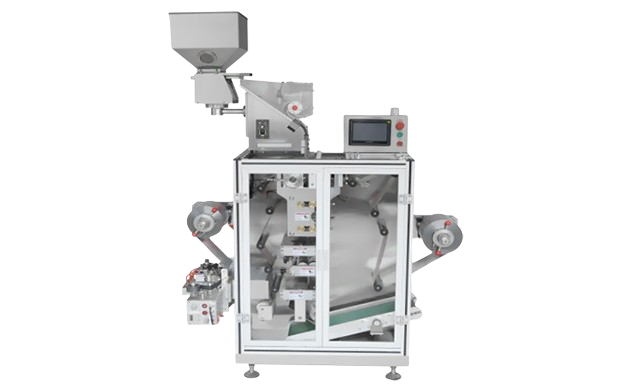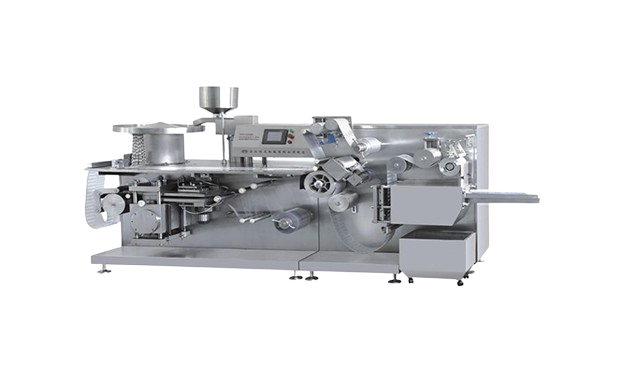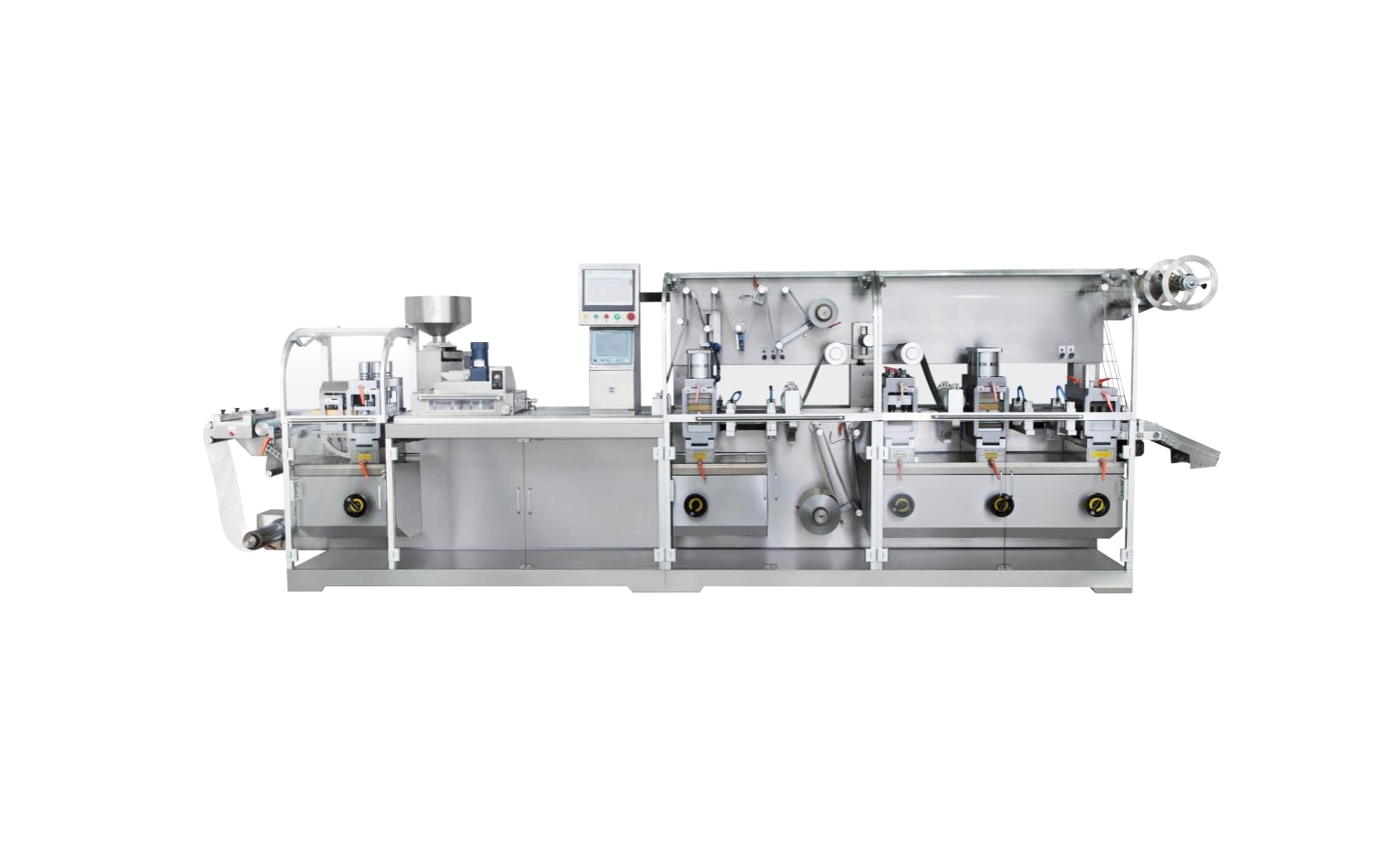
At first glance, choosing between blister packs and bottles seems fairly simple. One format seals each tablet or capsule in its own cavity, while the other places several doses inside a resealable container.
For a manufacturer, however, the decision goes far beyond how the finished package looks. It can affect product stability, packaging-line design, operating cost, changeover time, inspection requirements, shipping volume, and the way the customer uses the product.
Blister packs often make sense for products that need individual-dose protection, clear dose tracking, or a high-barrier package. Bottles remain a common choice for supplements, over-the-counter products, and tablets or capsules sold in larger counts.
Neither format is automatically better. The right choice depends on the product, target market, pack size, shelf-life requirements, and the way the factory plans to run the line.
This guide focuses on that practical decision. Instead of repeating every blister material or pharmaceutical packaging type, it looks at the factors manufacturers should compare before choosing the equipment.
For a more detailed explanation of thermoformed and cold-formed blister materials, see Types of Blister Packaging in the Pharmaceutical Industry. For a broader overview of pharmaceutical packaging formats, refer to Types of Pharmaceutical Packaging Explained
Blister Packs vs. Bottles at a Glance
| Selection factor | Blister packs | Bottles |
|---|---|---|
| Product exposure after opening | Only the selected dose is exposed | The full contents may be exposed whenever the bottle opens |
| Barrier options | Standard and high-barrier materials are available | Protection depends on the bottle, cap, liner, seal, desiccant, and headspace |
| Dose tracking | Remaining doses are easy to see | Users need to count or estimate the remaining quantity |
| Typical pack count | Often used for smaller counts or divided cards | Common for 30-, 60-, 90-, 120-count, and other larger packs |
| Format changes | Different cavity and card designs may require new tooling | Count changes may be easier, although bottle and cap changes still require setup |
| Consumer use | Portable and useful for planned dosing | Familiar, resealable, and convenient for regular use |
| Line structure | Forming, feeding, sealing, cutting, inspection, and often cartoning | Counting, desiccant insertion, capping, sealing, labeling, and cartoning |
| Common applications | Prescription products, clinical packs, and sensitive products | Supplements, OTC products, and high-count tablets or capsules |
Start with the Product Risk, Not the package preference.
One mistake manufacturers sometimes make is choosing the packaging format first and then trying to make the product fit it.
In practice, the product should lead the decision. Its sensitivity to moisture, oxygen, light, heat, and physical damage will determine how much protection the package needs.
A blister pack protects each dose separately. When the user removes one tablet, the other cavities remain sealed. This can be useful when the product will remain in use for several weeks or will be sold in a humid market.
A bottle protects the full quantity as one container-closure system. Before the consumer removes the induction seal, that system may provide strong protection. After opening, however, outside air can enter each time the cap is removed.
That does not automatically mean that every moisture-sensitive product needs a blister. A suitable bottle, closure, induction seal, and desiccant may also support the required shelf life.
The important point is to compare the complete package. Comparing blister film with an empty bottle does not tell you enough.
The same applies to blister materials. A stable product may work with a standard thermoformed structure, while a more sensitive formulation may need a higher-barrier material. SED Pharma’s Alu-Alu vs. PVC blister packaging comparison explains those material differences in more detail.
The final choice should follow stability results from the actual product and intended package, not a general assumption that one format always provides better protection.

Consider the Dosage Form and pack count together.
The dosage form matters, but “tablet or capsule” is only the starting point.
Manufacturers also need to consider product strength, surface finish, static, dust, shell condition, and the number of doses in the finished pack.
Many coated tablets can move smoothly through either a blister feeder or an automatic counting machine. Fragile or friable tablets need more care because long drops, vibration, and repeated contact may damage their edges.
Blister cavities keep the tablets separate. Bottle lines, on the other hand, may need closer control of transfer height and product movement.
Hard gelatin and HPMC capsules can also use both packaging formats. Their condition may change with temperature and humidity, and their shape can affect orientation and counting.
Softgels usually need even more careful handling. They may stick, deform, or develop surface marks when the temperature, humidity, or machine pressure is unsuitable.
This is where a product trial becomes especially useful. A general machine specification cannot show exactly how a softgel, dusty caplet, or static-prone capsule will behave on the line.
Pack count can also narrow the decision fairly quickly. A calendar pack with a limited treatment course fits naturally into a blister format. A 90- or 120-count dietary supplement often fits more naturally into a bottle.
Still, pack count should not make the decision on its own. A moisture-sensitive 60-count capsule may need a high-barrier blister, or it may work well in a sealed bottle with a desiccant. Stability requirements should come first.
Think About How the Customer Will Use the Product
Packaging performance does not end when the product leaves the factory.
The format affects how users open the package, track doses, carry the product, and expose it to the surrounding environment.
Blister packs allow users to see how many doses remain. Calendar cards can also organize doses by day or time, which may be useful for prescription courses, clinical packs, and starter packs.
Individual cavities are also easy to carry. A user can take part of the pack without moving the product into another container.
Bottles offer a different kind of convenience. They are familiar, resealable, and practical for supplements or medicines taken every day. They also work well when the same bulk product is sold in several count sizes.
For example, a manufacturer may produce 30-, 60-, and 90-count bottles by changing the counter setting and some packaging components.
Neither format is easier for every person. Some users may struggle to push a tablet through foil, while others may find a child-resistant bottle cap difficult to open.
This detail is easy to overlook when the discussion focuses only on machine speed and packaging cost. When usability matters, the intended consumer should be considered during package development, not after the equipment has already been purchased.
Tamper evidence and child resistance also depend on the full package design. A damaged blister cavity may be easy to notice, while a bottle may use an induction seal, shrink band, breakable ring, or tamper-evident closure.
Simply choosing a blister or a bottle does not guarantee that the finished package meets the required standard.
From Packaging Format to Equipment Selection
Once the packaging format is clearer, the discussion becomes more practical: what equipment will the factory actually need?
This is where manufacturers should connect the package design with the product dimensions, intended materials, output target, inspection needs, and available factory space. A machine may be suitable for the general packaging format but still need different tooling, feeders, or downstream equipment for the actual product.
A Practical Blister Packaging Option
For manufacturers considering ALU-PVC blister packaging, the SED-P-F Automatic Blister Packaging Machine provides a useful product reference. The machine is designed to form and seal blister packages for products such as pills, tablets, and capsules using aluminum and PVC materials.
The final configuration will depend on factors such as the following:
- Tablet or capsule dimensions
- Cavity layout
- Blister-card size
- Forming and lidding materials
- Coding requirements
- Inspection system
- Required output
- Downstream cartoning
A buyer should not select the machine only because it can package tablets or capsules. The actual blister layout, material structure, feeding method, and line speed still need to match the product.
A Practical Bottle Packaging Option
For bottle packaging, the SED-8SP Automatic Tablet Pill Counting Machine is a practical reference model for counting tablets and capsules into bottles. It uses an eight-channel vibrating feeding and counting system, and it can form part of a line that also includes bottle feeding, desiccant insertion, capping, induction sealing, labeling, and inspection.
The required bottom-line configuration will depend on:
- Tablet or capsule shape
- Count per bottle
- Bottle dimensions
- Cap and closure type
- Desiccant or cotton requirements
- Label format
- Inspection requirements
- Target bottles per hour
These two machines illustrate the difference between the packaging routes, but they should not be treated as one-size-fits-all solutions. The right model depends on the complete production requirement, not only on whether the final product goes into a blister or a bottle.
Compare Complete Line Output, Not Machine Speed
Machine brochures normally show a maximum speed. That number is helpful, but it rarely tells the full story.
A line that appears faster on paper may produce fewer saleable packs during a normal shift if feeding, inspection, sealing, capping, or changeovers cause frequent stops.
On a blister line, sustainable output depends on the cavity layout, product feeding, forming and sealing materials, inspection, rejection, cutting, and the speed of the downstream cartoner. A high-speed blister machine cannot maintain its output if tablets do not enter the cavities consistently or the cartoner cannot accept the finished cards.
A bottle line has a different balance. The pill counter may be the main filling machine, but the complete line can also include bottle feeding, desiccant insertion, capping, induction sealing, labeling, inspection, and cartoning.
For a high-count product, counting may become the bottleneck. For a low-count product, the bottleneck may move to capping, labeling, or bottle handling.
This is where equipment comparisons often become misleading. A buyer may compare the cavity output of a blister machine with the counting speed of a pill counter, even though those figures describe different stages of the process.
A more useful measure is the following:
Acceptable finished packs per hour under normal production conditions
When reviewing a quotation, ask how the stated output changes with the actual tablet or capsule, pack count, bottle size, blister layout, inspection system, and secondary packaging.
The rated speed matters, but the complete line determines the actual result.

Compare Total Cost per Saleable Pack
The cost of a package includes much more than the price of blister film or an empty bottle.
Blister packaging may require forming material, lidding foil, product-specific tooling, printing, cartons, and cartoning equipment. Bottle packaging may require bottles, caps, liners, induction seals, labels, desiccants, cotton, and secondary packaging.
Manufacturers should also include:
- Equipment investment
- Format parts and tooling
- Factory space
- Utilities
- Labor
- Cleaning time
- Changeover time
- Packaging waste
- Quality inspection
- Maintenance
- Spare parts
- Warehousing
- Shipping
At a lower annual volume, blister tooling may add a noticeable cost to each pack. At a higher volume, a stable blister line can spread that tooling cost across a much larger production run.
Bottle lines often provide useful flexibility, but changing formats is not always as simple as entering a new count on the touchscreen. A different bottle diameter, cap type, label size, or desiccant format may require guide-rail adjustments, replacement parts, and another setup procedure.
The more useful calculation is
Total packaging cost ÷ acceptable finished packs
This reflects the packs that pass inspection, not only the units the machine attempts to produce. It also includes downtime and waste, which can affect the final cost more than a small difference in packaging-material price.
Plan for Changeovers and the Number of SKUs
A high-speed dedicated line can work well when one product runs for long campaigns. A contract manufacturer handling many short batches has a different priority. In that situation, fast cleaning and predictable changeovers may matter more than the highest rated speed.
A blister changeover can involve forming and sealing tools, product feeders, guide parts, cutting tools, printing settings, and cartoner comhighest-ratedttle-line changeover may involve bottle guides, spacing parts, cap handling, counter parameters, label settings, and desiccant equipment.
Neither format is automatically faster to change.
A bottle line using the same bottle and cap for three different counts may switch fairly quickly. A line that changes bottle diameter, closure type, label size, and desiccant format may require much more work.
The same applies to blister packaging. Even a small change in the cavity layout or finished card size may require several new format parts.
It sounds obvious, but buyers sometimes focus only on the first product and forget the products planned for the next two or three years. Before choosing the line, list the likely tablet sizes, capsule sizes, bottle counts, bottle formats, and blister layouts.
This gives the supplier a clearer picture and helps avoid buying a line that is either too limited or unnecessarily complex.
Include Inspection, Coding, and Secondary Packaging Early
Primary packaging is only one part of the finished line. The tablets or capsules still need to be inspected, identified, coded, and prepared for distribution.
A blister line may need cameras to detect missing, broken, or incorrect products before sealing. It may also require batch printing, code verification, rejection, card cutting, and automatic cartoning.
A bottle line may need counting verification, cap detection, induction-seal inspection, label inspection, checkweighing, and rejection.
These systems should not be added as an afterthought. The main equipment needs enough space, electrical connections, control points, and communication interfaces to support them.
SED Pharma’s visual inspection machine range includes equipment for inspecting products and packaging such as capsules, tablets, blister packs, bottles, seals, and printed information.
For bottle lines, the cap, seal, and label all form part of the final packaging result. An induction foil sealing machine creates the sealed foil layer, while the labeling machine applies product and traceability information. On blister lines, the printed foil and outer carton often carry much of this information.
Planning these stages early makes it easier to match machine speeds. It also reduces the risk of discovering later that an inspection, labeling, or cartoning stage cannot keep up with the main packaging machine.
Practical Packaging Selection Scenarios
| Production situation | Likely direction | Main reason |
|---|---|---|
| Moisture-sensitive prescription tablet used over several weeks | A high-barrier blister may be suitable | Each unused dose remains sealed |
| Ninety-count coated dietary supplements | Bottle packaging is often practical | High count and familiar resealable format |
| Clinical or starter pack with daily instructions | Blister card | Clear dose organization and printing area |
| Contract manufacturer with many SKUs | Compare changeover time for both formats | Flexibility may matter more than maximum speed |
| Hygroscopic 60-count capsule | Stability testing is needed | Both high-barrier blister and sealed bottle systems may work |
| Fragile tablet with edge damage during transport | Blister may reduce product movement | Individual cavities separate the tablets |
| Durable tablet sold in several count sizes | A flexible bottle line may be suitable | Count changes may be easier to manage |
These examples can help narrow the options, but they should not be treated as fixed rules. A real decision still needs product stability data, target-market requirements, production trials, and a complete line-cost comparison.
Test the Actual Product Before Making the Final Decision
A machine that handles one round tablet smoothly may behave very differently with a dusty caplet, static-prone capsule, or tacky softgel.
Whenever possible, send the actual product and intended packaging material to the equipment supplier.
For a blister trial, check whether the product enters the cavity consistently, whether the cavity size fits correctly, whether the product becomes damaged, and whether the forming and sealing materials perform as expected.
For a bottle trial, check counting accuracy, product movement, breakage, static, bottle entry, capping, and seal quality.
Do not only test whether the machine can run for a few minutes. A short high-speed demonstration may look impressive, but it does not show how the line will perform during a full batch.
The trial should also evaluate:
- Feeding stability
- Product damage
- Count or cavity accuracy
- Seal quality
- Rejection accuracy
- Sustainable output
- Cleaning
- Changeover time
This step often provides more useful information than several pages of machine specifications. It replaces assumptions with actual results and gives the supplier enough information to recommend suitable feeding, tooling, inspection, and downstream equipment.

What Information Should You Send to the Equipment Supplier?
Before requesting a quotation, prepare the main product and production details. This helps the supplier compare realistic line configurations instead of sending a general proposal.
| Information | Details to provide |
|---|---|
| Product | Tablet, hard capsule, softgel, or another solid dose |
| Dimensions | Length, width, thickness, diameter, or capsule size |
| Product condition | Coated, dusty, brittle, static-prone, sticky, or moisture-sensitive |
| Pack format | Bottle count or blister-card layout |
| Packaging material | Intended bottle, cap, film, foil, or desiccant |
| Required output | Finished packs per hour or annual production target |
| Batch pattern | Long campaigns or frequent small batches |
| Number of SKUs | Current products and likely future formats |
| Inspection | Missing-product, count, seal, label, or code inspection |
| Secondary packaging | Carton, case, leaflet, or bundle requirements |
| Factory conditions | Available space, voltage, compressed air, and extraction |
| Documentation | FAT, SAT, manuals, certificates, or validation support |
Do not send only the desired machine speed. Pack count, product dimensions, packaging materials, and changeover frequency can change the recommended line significantly.
Frequently Asked Questions
Are blister packs better than bottles for tablets?
Blister packs can protect each tablet separately and reduce exposure after one dose is removed. Bottles may be more practical for durable tablets sold in higher counts. The right choice depends on product stability, consumer use, pack count, and total production cost.
Which packaging format is better for capsules?
Both formats can work. Blisters reduce movement and protect each capsule separately, while bottles are common for larger capsule counts. Shell material, moisture sensitivity, static, product strength, and opening frequency should all be considered.
Are blister packs always more expensive?
No. Cost depends on materials, production volume, tooling, secondary packaging, waste, line speed, and changeover time. The correct comparison is total cost per acceptable finished pack.
Can bottles protect moisture-sensitive products?
A properly designed bottle system may provide strong protection. Bottle material, closure, liner, induction seal, desiccant, headspace, and consumer opening frequency all matter. Product-specific stability testing is still needed.
Which packaging line produces more packs per hour?
Either line can reach high output when the product and equipment configuration are suitable. Compare acceptable finished packs per hour, including feeding, inspection, sealing or capping, labeling, rejection, and secondary packaging.
Should the packaging format be selected before the machine?
Yes. Start with product stability, pack count, consumer use, and target-market requirements. Once the packaging format is clear, the supplier can select suitable equipment and line capacity.
Can one bottle line handle several tablet and capsule products?
Often, yes, but flexibility depends on the product dimensions, bottle size, cap, count, label, and line configuration. Changing only the count may be relatively simple, while changing the complete bottle format may require additional parts and setup time.
Does every blister product need custom tooling?
The forming cavity, sealing area, cutting layout, and feeding components need to match the blister design and product. Products with similar dimensions may share some configurations, but manufacturers should confirm tooling requirements with the machine supplier.
Conclusion
Blister packs and bottles solve different packaging problems.
Blisters are often useful when each dose needs separate protection, clear tracking, or a specialized barrier structure. Bottles are often practical for higher-count products, flexible count sizes, and consumers who prefer a resealable container.
The point is not to choose the most advanced package or the fastest individual machine. It is to choose the format that fits the product, market, and production plan.
Manufacturers should compare product risk, pack count, consumer use, complete line output, changeovers, inspection, secondary packaging, and total cost per saleable pack before making the final decision.
SED Pharma supplies automatic blister packaging machines as well as automatic tablet and capsule counting machines and complete bottle packaging lines.
Share your product dimensions, pack format, required output, packaging materials, target market, and factory conditions through contacting our team. These details help the technical team compare practical line configurations and recommend equipment based on the complete packaging process.