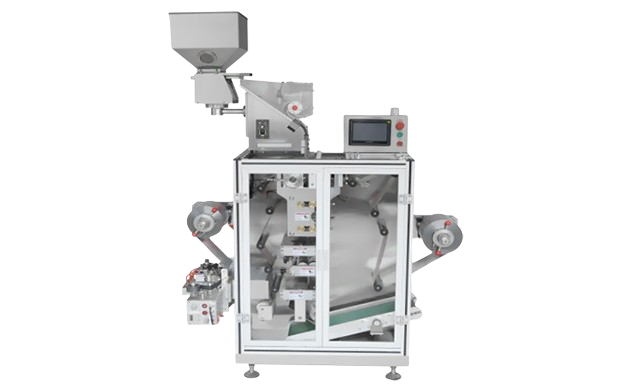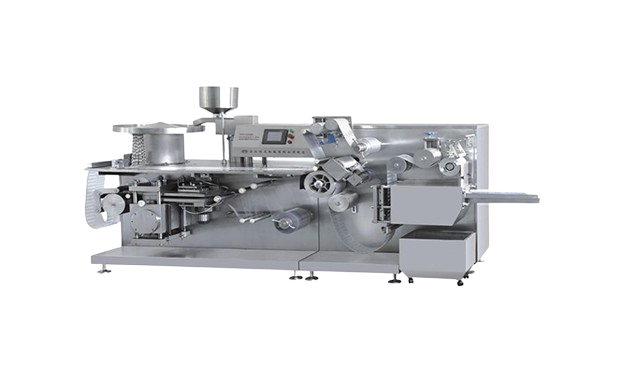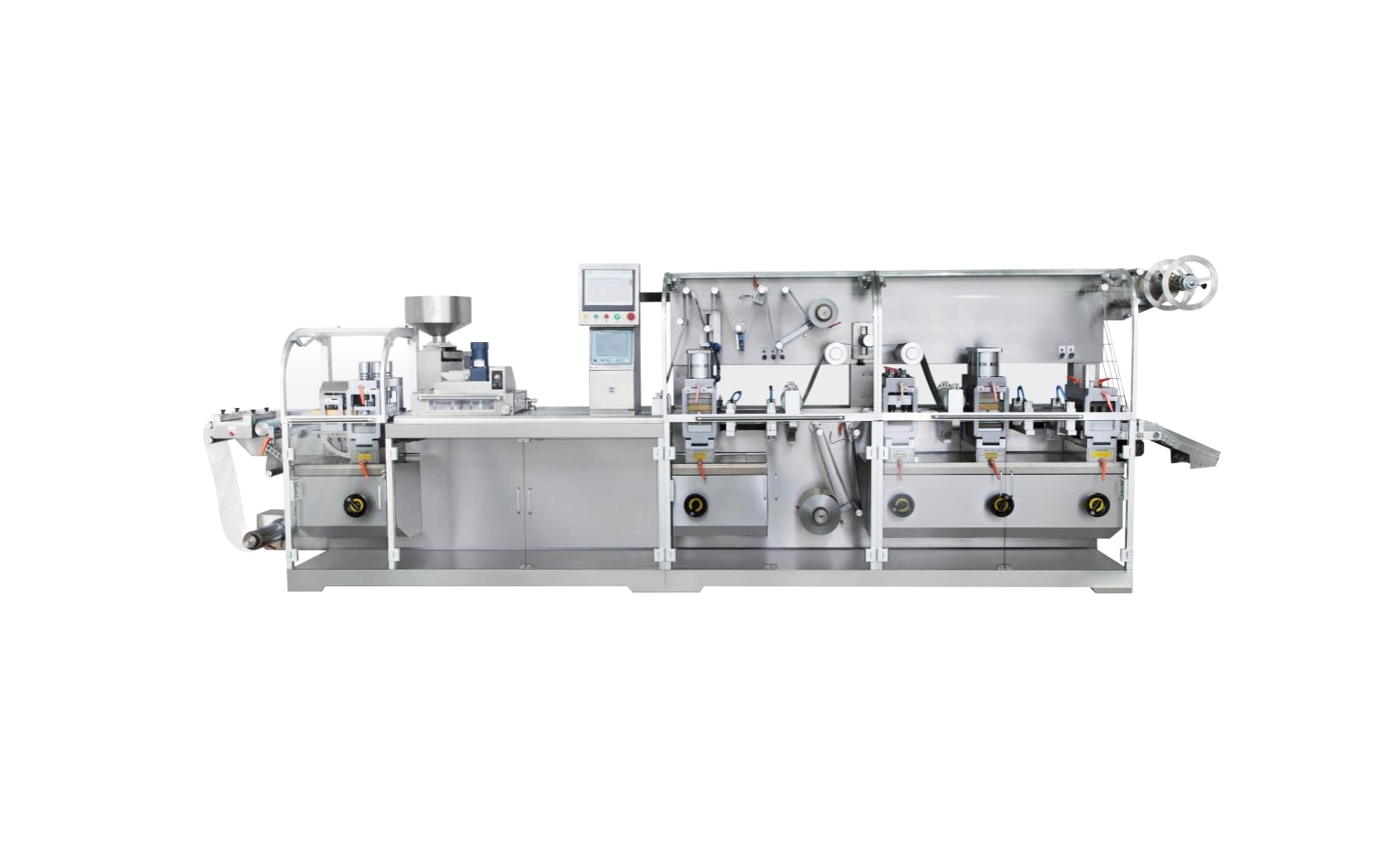
For pharmaceutical, nutraceutical, herbal, and supplement manufacturers, a capsule filling machine is not just a single piece of equipment; it is the center of capsule production efficiency, dosage consistency, and long-term manufacturing cost control. Buyers searching for a capsule machine manual usually need more than a basic operating guide. They want to understand how the machine works, which automation level is suitable, what affects capsule filling machine price, how to prepare trial materials, and how the equipment connects with downstream production lines.
This guide is written for B2B procurement teams, factory owners, production managers, and technical buyers who are comparing manual, semi-automatic, automatic, and fully automatic capsule filling solutions. It follows a practical purchasing logic: selection difficulties, working principle, model comparison, trial material requirements, whole-line integration, troubleshooting, FAQs, and a quotation checklist.
SED Pharma supplies capsule filling equipment and related capsule production solutions for different production scales. The goal is not only to help buyers purchase a machine, but also to help them choose a configuration that can run reliably in real factory conditions.
Why a Capsule Machine Manual Matters for B2B Buyers

A capsule filling machine manual should do more than explain buttons, switches, and cleaning steps. In real manufacturing environments, the more important question is whether the machine fits the buyer’s production target.
A small supplement startup may care about flexible capsule size changeover. A contract manufacturer may need quick cleaning between formulas. A pharmaceutical plant may focus on GMP contact parts, stable weight variation, dust control, validation documents, and line integration. These requirements lead to different equipment choices.
Many purchasing problems come from comparing machines too simply. For example, two machines may both be called an automatic capsule filling machine, but one may have better dosing stability, cleaner powder handling, stronger vacuum separation, or easier maintenance. A lower initial price may look attractive, but if it causes frequent stoppages, high capsule rejection, or difficult cleaning, the actual production cost may become much higher.
A useful capsule-filling machine manual should help buyers answer questions such as
- What capacity is actually needed per hour or per shift?
- Which capsule sizes will be used, such as 00, 0, 1, 2, 3, or 4?
- Is the filling material powder, granule, pellet, herbal extract, probiotic, or blended formula?
- Does the material flow smoothly, or is it sticky, light, dusty, or moisture-sensitive?
- Is the factory planning small-batch production or industrial continuous production?
- Will the machine connect with polishing, inspection, counting, bottling, labeling, or cartoning equipment?
- What information is needed to receive an accurate capsule filling machine price?
These questions are simple on paper, but they strongly affect equipment configuration.
Selection Difficulties: What Makes Choosing a Capsule Filling Machine Complicated?
The most common selection mistake is choosing only by rated output. Capacity matters, of course, but real performance depends on the relationship between the machine, capsule shell, filling material, operator skill, and production environment.
Capacity Is Not Just a Catalog Number
A catalog may state that a capsule filling machine automatic model can produce a certain number of capsules per hour. However, real output may be lower if the powder bridges in the hopper, if capsule shells have poor dimensional consistency, if operators stop frequently for weight checks, or if the formula requires slower filling for accuracy.
For B2B procurement, it is better to define both target capacity and practical working capacity. A machine that is technically capable of high speed may still need to run at a moderate speed for difficult materials.
| Buyer Question | Why It Matters | Practical Check |
|---|---|---|
| What is the required hourly output? | Determines whether manual, semi-auto, automatic, or fully automatic equipment is suitable | Compare rated capacity with real batch size and working hours |
| Which capsule sizes are needed? | Affects mold, segments, dosing volume, and change parts | Confirm sizes such as 00, 0, 1, 2, 3, and 4 before ordering |
| What material will be filled? | Powder flowability directly affects dosage stability | Test bulk density, moisture, particle size, and stickiness |
| How often will formulas change? | Frequent changeover requires easy cleaning and fast adjustment | Review cleaning time and change part requirements |
| Is expansion expected? | Avoids replacing equipment too soon | Choose scalable automation if production will grow |
Capsule Size and Change Parts
The term “capsule filling machine 00” appears often because size 00 capsules are widely used in supplements, herbal products, and formulas requiring a larger fill volume. However, capsule size 00 is only one part of the selection. The machine must be configured with suitable change parts for capsule orientation, separation, filling, locking, and discharge.
If a buyer plans to produce multiple capsule sizes, this should be discussed early. Different sizes normally require corresponding molds or segments. Changeover time and cost should be included in the purchasing evaluation, especially for OEM and contract manufacturers handling many formulas.
Material Characteristics Are Often Underestimated
A capsule filling machine can behave very differently with different materials. Fine powders may create dust and static electricity. Herbal extracts may be sticky. Low-density powders may require more filling volume. Granules may flow well but require special attention to avoid segregation. Probiotics may be sensitive to heat, humidity, and cleaning chemicals.
Important material properties include:
- Bulk density
- Tapped density
- Moisture content
- Particle size distribution
- Flowability
- Stickiness
- Static behavior
- Sensitivity to compression
- Hygroscopicity
- Dust level
A supplier can recommend a more accurate configuration when these details are provided. This is one reason SED Pharma often encourages buyers to discuss materials and production targets before requesting a final quotation.
Capsule Filling Machine Principle: How the Machine Works

Understanding the capsule filling machine principle helps buyers make better decisions. Even if the supplier provides installation and training, procurement teams should know the basic process because each stage affects final product quality.
Basic Working Process
Most capsule filling machines follow a similar production logic, although the degree of automation varies.
- Empty capsules are loaded into the capsule hopper.
- Capsules are oriented so that the cap and body face the correct direction.
- Capsules enter the mold, turret, or segment.
- Capsule caps and bodies are separated, usually with vacuum assistance.
- Powder, granules, pellets, or other material is dosed into the capsule body.
- Tamping, compression, or multi-stage filling may be used to improve fill weight consistency.
- Capsule caps and bodies are joined again.
- Capsules are locked securely.
- Finished capsules are discharged.
- Defective capsules may be rejected or removed.
- Contact parts are cleaned after production.
The basic principle looks straightforward, but stable operation requires accurate mechanical coordination. Capsule feeding, vacuum separation, dosing, and locking must work together. If one stage is unstable, the whole process may slow down.
Why the Working Principle Matters for Purchasing
The capsule filling machine principle affects several purchasing concerns:
- Filling accuracy
- Capsule breakage rate
- Powder loss
- Dust level
- Production speed
- Cleaning difficulty
- Changeover time
- Maintenance frequency
- Operator workload
- Compatibility with downstream equipment
For example, if a material has poor flowability, the dosing system becomes especially important. If capsule shells are brittle, the orientation and locking mechanisms must be gentle and accurate. If the factory requires frequent formula changes, easy-access contact parts and tool-friendly design become valuable.
In other words, a machine should not be selected only because it can “fill capsules.” It should be selected because its working principle and mechanical design match the buyer’s actual production conditions.
Manual, Semi-Automatic, Automatic, and Fully Automatic Capsule Filling Machines Compared

A major question for buyers is whether to choose a manual system, semi-automatic machine, automatic capsule filling machine, or fully automatic capsule filling machine model. Each level has its own role. The best choice depends on production scale, budget, labor cost, quality requirements, and future expansion plans.
| Machine Type | Suitable Buyer | Main Advantage | Limitation |
|---|---|---|---|
| Manual capsule filler | Laboratory, R&D, very small batches | Low investment and simple operation | Low output, high labor dependence |
| Semi-automatic capsule filling machine | Small- to medium-batch production | Flexible and relatively economical | Requires operator participation |
| Automatic capsule filling machine | Growing commercial production | Higher output, better consistency, lower labor cost | Requires higher investment and technical planning |
| Fully automatic capsule filling machine | Large pharmaceutical or nutraceutical factories | High speed, stable operation, production line integration | Higher purchase cost and stronger site requirements |
Manual Capsule Filling Equipment
Manual capsule fillers are usually used for R&D, small trial batches, or early-stage formula development. They are simple, affordable, and easy to operate, but they are not ideal for commercial production where output, consistency, and labor efficiency matter.
Manual equipment may be useful before scaling up, but buyers should not expect it to replace industrial filling systems.
Semi-Automatic Capsule Filling Machines
A semi-automatic capsule filling machine is often selected by small and medium manufacturers. It provides better production efficiency than manual tools while keeping investment relatively manageable. Operators still participate in certain steps, but the machine can improve filling consistency and reduce manual workload.
This type is suitable for manufacturers producing several products in moderate quantities. It is also attractive for supplement brands, herbal capsule producers, and regional pharmaceutical companies.
Automatic Capsule Filling Machine
An automatic capsule filling machine is more suitable for commercial manufacturing with stable production demand. It automates capsule feeding, separation, dosing, locking, and discharge to a higher degree. Compared with semi-automatic equipment, it usually offers better speed, consistency, and labor savings.
When evaluating capsule filling machine automatic models, buyers should pay attention to machine stability, dosing structure, cleaning convenience, control system, safety protection, and support for change parts.
For factories planning a wider capsule production setup, SED Pharma also provides related capsule production equipment that can support filling, polishing, counting, and other process needs.
Fully Automatic Capsule Filling Machine
A capsule filling machine fully automatic configuration is designed for higher-volume production. It is often used in pharmaceutical factories, large nutraceutical plants, and contract manufacturing facilities. These buyers usually care about long running time, consistent output, lower labor involvement, and easier integration with downstream production lines.
Fully automatic machines require more planning. Buyers should confirm factory layout, cleanroom conditions, power supply, compressed air, dust collection, operator access, maintenance space, and downstream equipment speed.
Capsule Filling Machine Price: What Really Affects the Quotation?
The capsule filling machine price is one of the most searched topics, but it is also one of the hardest to answer without production details. A meaningful quotation depends on machine type, capacity, capsule size, material properties, optional systems, and service requirements.
Main Factors Affecting Price
The following factors usually influence the final quotation:
- Automation level
- Rated output capacity
- Capsule size range
- Number of change part sets
- Filling material characteristics
- Dosing system design
- Contact part material
- PLC and HMI configuration
- Vacuum and dust collection system
- Safety protection design
- GMP requirements
- Optional capsule polishing
- Online inspection or rejection system
- Counting and bottling connection
- Installation and commissioning support
- Documentation and validation needs
- Spare parts package
- Shipping destination and packaging requirements
A low-priced machine may be acceptable for simple, low-volume production. However, for GMP manufacturing, export production, or long-term commercial use, buyers should compare the total value rather than only the initial price.
Why Similar Machines May Have Different Prices
Two automatic capsule filling machine models may look similar in photos but differ in important ways. One may use stronger stainless steel contact parts, better electrical components, more stable vacuum separation, more precise dosing, easier cleaning design, or more reliable capsule locking. These differences affect daily operation.
Price also reflects supplier support. A professional supplier should help buyers confirm capacity, material suitability, capsule size, change parts, installation conditions, and line connection. This consultation can reduce purchasing risk.
SED Pharma’s value is not only in supplying machines, but also in helping buyers choose practical configurations according to production needs. For many B2B buyers, a correct machine selection saves more money than simply choosing the lowest quotation.
How to Choose a Capsule Filling Machine by Production Scale
The best machine depends on where the buyer is in the production journey. A manufacturer launching a new product has different requirements from a factory producing millions of capsules per month.
Small Batch and R&D Production
For R&D laboratories, trial production, or small supplement brands, flexibility is often more important than maximum speed. The equipment should be easy to clean, easy to adjust, and suitable for testing different formulas.
Recommended focus areas include:
- Simple operation
- Low material waste during testing
- Easy disassembly
- Flexible capsule size support
- Low maintenance requirements
- Reasonable entry-level investment
Small-batch buyers should also consider whether their production may expand soon. If growth is expected, a semi-automatic machine may provide a better transition than purely manual equipment.
Medium Batch Manufacturing
Medium batch manufacturers often produce regular commercial batches but still need flexibility. This group includes nutraceutical factories, herbal product manufacturers, OEM supplement producers, and regional pharmaceutical companies.
Recommended focus areas include:
- Semi-automatic or automatic filling
- Stable dosing accuracy
- Practical capacity
- Dust control
- Reasonable changeover time
- Reliable spare parts
- Operator-friendly design
For these buyers, the balance between capsule filling machine price and production efficiency is especially important. A machine should be affordable, but it must also reduce labor costs and improve batch consistency.
Large-Scale Industrial Production
Large-scale manufacturers usually need a capsule filling machine fully automatic solution. The machine may run for long hours and connect with other equipment. Downtime becomes expensive, so reliability is a key purchasing factor.
Recommended focus areas include:
- High-speed production
- Continuous operating stability
- Automatic capsule feeding
- Accurate multi-stage dosing
- Capsule polishing connection
- Online inspection options
- Dust collection
- GMP-friendly structure
- Data and process control
- Preventive maintenance support
For large factories, equipment selection should be treated as production line planning rather than single-machine purchasing.
Trial Material Requirements Before Buying
Trial material testing is one of the most practical steps before purchasing a capsule filler. Powder behavior cannot be fully predicted by product name. Even common materials may behave differently after blending, granulating, drying, or adding excipients.
Why Trial Materials Matter
A powder may flow well in a small container but perform poorly in a machine hopper. Another formula may fill accurately at low speed but become unstable at higher speeds. fully automatic capsule filling machine speeds. Some materials stick to dosing pins. Some create dust. Some absorb moisture quickly.
Trial testing helps confirm:
- Whether capsules separate smoothly
- Whether fill weight variation is acceptable
- Whether powder flows into the dosing system
- Whether capsules lock properly
- Whether powder leakage occurs
- Whether the material causes excessive dust
- Whether cleaning is easy after production
- Whether the selected machine speed is realistic
What Buyers Should Prepare for Testing
Before a machine trial or technical evaluation, buyers should prepare as much information as possible.
| Trial Requirement | Recommended Details |
|---|---|
| Empty capsules | Size, material type, supplier, and sample quantity |
| Filling material | Powder, granules, pellets, blend, herbal extract, or probiotic |
| Target fill weight | Required dosage per capsule |
| Acceptable variation | Internal quality standard or regulatory requirement |
| Batch target | Expected capsules per batch or per shift |
| Material properties | Bulk density, moisture, flowability, and particle size if available |
| Cleaning needs | Whether product changeover requires strict cleaning validation |
| Production target | Required hourly output and preferred automation level |
A trial does not need to answer every future question, but it can reveal practical issues before purchase. This is especially useful for buyers handling special formulas or high-value materials.
Empty Capsule Quality and Its Effect on Filling Performance
Empty capsules are sometimes treated as simple consumables, but they directly affect machine performance. A high-quality machine cannot fully compensate for poor capsule shell consistency.
Common capsule shell problems include:
- Inconsistent dimensions
- Poor cap-body fit
- Brittle shells
- Deformed capsules
- Excessive moisture
- Too little moisture
- Static issues
- Rough capsule surface
- Poor locking quality
If capsules are too dry, they may crack during separation or locking. If they are too moist, they may deform. If dimensions are inconsistent, the capsule filling machine may experience separation failure or higher rejection.
This is why capsule shell compatibility should be included in equipment selection. Buyers planning a complete capsule production setup may also review SED Pharma’s empty capsule supply when considering capsule shell quality and filling performance together.
Whole-Line Integration: From Filling to Packaging
A capsule filling machine is often only one part of a larger production line. After filling, capsules usually need polishing, inspection, counting, bottling, labeling, and sometimes cartoning. If the filling machine is selected without considering downstream equipment, bottlenecks may appear later.
Common Downstream Equipment
Capsule production lines may include:
- Capsule polishing machine
- Empty capsule sorter
- Metal detector
- Capsule inspection machine
- Capsule counting machine
- Bottle filling machine
- Desiccant inserter
- Capping machine
- Induction sealing machine
- Labeling machine
- Cartoning machine
The output of each machine should match the others. If the capsule filling machine produces faster than the counting machine can handle, capsules may accumulate. If the polishing machine is too slow, the full line cannot reach its target capacity.
What to Confirm Before Line Integration
Confirm the following: Before choosing a capsule filling machine automatic or fully automatic solution, buyers should confirm the following:
- Machine discharge height
- Discharge direction
- Cleanroom layout
- Operator access
- Power supply
- Compressed air requirements
- Vacuum system requirements
- Dust collection interface
- Downstream machine speed
- Maintenance space
- Product transfer method
- GMP zoning requirements
Line integration reduces manual transfer, lowers contamination risk, improves production efficiency, and supports more consistent batch management. For B2B buyers planning long-term production, whole-line thinking is usually more cost-effective than purchasing machines separately without coordination.
Operation Notes for a Capsule Filling Machine Manual
The official capsule filling machine manual from the manufacturer should always be followed. However, buyers and operators can benefit from understanding common operating checkpoints.
Before Starting Production
Before operation, the team should check:
- Power supply condition
- Compressed air connection
- Vacuum system
- Mold or segment installation
- Capsule hopper
- Powder hopper
- Safety guards
- Emergency stop function
- Dust collection
- Cleanliness of contact parts
- Correct capsule size change parts
- Lubrication points if required
A short pre-start checklist can prevent many stoppages. It is better to spend several minutes checking the machine than to lose a full batch due to misalignment or wrong parts.
During Production
Operators should monitor:
- Capsule feeding stability
- Capsule separation condition
- Fill weight
- Powder level in hopper
- Capsule locking quality
- Abnormal noise
- Vibration
- Dust leakage
- Rejected capsules
- Finished capsule appearance
Weight checks are especially important at the beginning of production and after adjustments. If fill weight begins to drift, operators should check powder level, material flow, dosing setting, and machine speed.
After Production
After the batch is finished, cleaning should focus on powder contact parts. Depending on machine design, this may include the following:
- Powder hopper
- Dosing station
- Filling disc or tamping parts
- Capsule segments
- Vacuum channels
- Discharge area
- Dust collection contact areas
For pharmaceutical production, cleaning records and batch documentation may also be required. Preventive maintenance should be scheduled according to the manufacturer’s recommendations and production intensity.
Common Problems and Practical Solutions
Even a well-selected capsule filling machine may need adjustment during operation. Most problems are caused by material behavior, capsule quality, incorrect settings, or insufficient maintenance.
| Problem | Possible Cause | Practical Solution |
|---|---|---|
| Capsules do not separate well | Weak vacuum, poor capsule quality, wrong change parts | Check vacuum, capsule shells, and size parts |
| Fill weight is unstable | Poor powder flow, incorrect dosing depth, hopper bridging | Adjust dosing, review powder flowability, consider material conditioning |
| Capsules break during locking | Capsules too dry, mechanical misalignment, excessive force | Check capsule moisture and machine adjustment |
| Powder leakage occurs | Overfilling, poor locking, dusty formula | Adjust fill weight, check locking quality, improve dust control |
| Real output is lower than expected | Frequent stoppage, difficult material, operator delay | Conduct trial testing and optimize feeding process |
| Capsules are dented or deformed | Moisture issue, poor shell storage, unsuitable handling | Improve capsule storage and inspect shell quality |
| The machine is difficult to clean | Sticky material, poor cleaning procedure, unsuitable configuration | Review cleaning SOP and consider easier-access contact parts |
A practical observation from production environments is that many “machine problems” are actually system problems. The filling machine, capsule shell, powder formula, humidity, operator method, and maintenance routine all influence the final result.
Latest Trends in Capsule Filling Machine Design
Capsule production is changing as pharmaceutical and nutraceutical markets become more competitive. Buyers are no longer looking only for machines that can run. They want equipment that is more efficient, cleaner, easier to operate, and better suited for flexible manufacturing.
Higher Automation to Reduce Labor Pressure
Labor cost and operator availability are major concerns in many factories. This is increasing demand for automatic capsule filling machine solutions. Higher automation reduces repetitive manual work and supports more stable production.
Better Dust Control
Fine powders, herbal extracts, and active ingredients may create dust during filling. Modern machines increasingly focus on enclosed structures, dust collection interfaces, and cleaner discharge. This helps protect operators and maintain a cleaner production environment.
Faster Changeover
Contract manufacturers and supplement OEM factories often handle multiple formulas. Faster changeover helps reduce downtime between batches. Tool-friendly design, accessible contact parts, and modular components are becoming more important.
Digital Operation and Process Monitoring
PLC and HMI systems are now common on many automatic and fully automatic machines. Operators can adjust parameters more conveniently, monitor machine status, and improve repeatability. Some buyers also require data support for quality management.
Stronger Demand from Nutraceuticals and Herbal Products
The supplement market continues to create demand for capsules filled with vitamins, minerals, plant extracts, probiotics, amino acids, and blended powders. These products often have different flow properties, so flexible filling systems and technical support are valuable.
Why Work With SED Pharma for Capsule Filling Solutions?
SED Pharma supports B2B buyers with capsule filling machines and related production equipment for different manufacturing needs. For buyers comparing machines, the advantage is not only product availability but also selection support.
SED Pharma can help buyers evaluate the following:
- Required capacity
- Capsule size range
- Filling material type
- Automation level
- Factory layout
- Downstream equipment needs
- Cleaning and GMP expectations
- Budget and quotation requirements
This is particularly useful when buyers are unsure whether to choose a semi-automatic machine, an automatic capsule filling machine, or a fully automatic capsule filling machine. A suitable recommendation should consider both current production and future expansion.
SED Pharma’s capsule equipment is suitable for pharmaceutical manufacturers, nutraceutical producers, supplement brands, herbal product factories, and OEM/ODM production companies. Buyers can discuss machine configuration, trial materials, and production line planning before making a purchasing decision.
Quotation Checklist: Information to Prepare Before Contacting a Supplier
To receive an accurate capsule filling machine price, buyers should prepare a clear quotation request. A vague request such as “send machine price” usually leads to an incomplete answer because the supplier does not yet know the buyer’s real production conditions.
Useful quotation details include:
- Required output per hour or per shift
- Capsule size, such as 00, 0, 1, 2, 3, or 4
- Capsule type, such as gelatin, HPMC, or enteric capsules
- Filling material type
- Target fill weight
- Bulk density if available
- Powder flowability information
- Batch size
- Number of formulas
- Frequency of product changeover
- Required automation level
- Factory voltage and frequency
- Compressed air availability
- Cleanroom or GMP requirements
- Need for capsule polishing
- Need for counting and bottling
- Need for labeling or cartoning connection
- Destination country
- Expected delivery time
- Documentation, FAT, or validation support requirements
A complete checklist helps the supplier recommend a more suitable machine and prevents misunderstanding. It also makes price comparison more meaningful because buyers can compare similar configurations rather than unrelated models.
At the final selection stage, buyers may also consider capsule shell sourcing, compatibility testing, and downstream production planning. For a more complete capsule manufacturing setup, SED Pharma’s empty capsule products can be reviewed together with filling equipment requirements.
FAQ
1. What capsule size should be confirmed before ordering a capsule filling machine?
Capsule size should be confirmed before quotation because it affects molds, filling volume, capsule orientation, separation, and locking. Common sizes include 00, 0, 1, 2, 3, and 4. Size 00 is often used for larger supplement doses, but the right choice depends on formula density and target fill weight.
2. Can one automatic capsule filling machine handle different formulas?
Yes, one automatic capsule filling machine can often handle different powder or granule formulas, but each material should be evaluated. Flowability, moisture, stickiness, density, and cleaning requirements may require parameter adjustment or additional testing. For frequent formula changes, easy cleaning and fast changeover design become especially important.
3. What is needed to get an accurate capsule filling machine price?
To receive an accurate price, buyers should provide capacity requirements, capsule size, fill weight, material type, automation level, factory power conditions, GMP expectations, and whether downstream equipment is needed. A material sample or detailed powder information can also help the supplier recommend a better configuration.