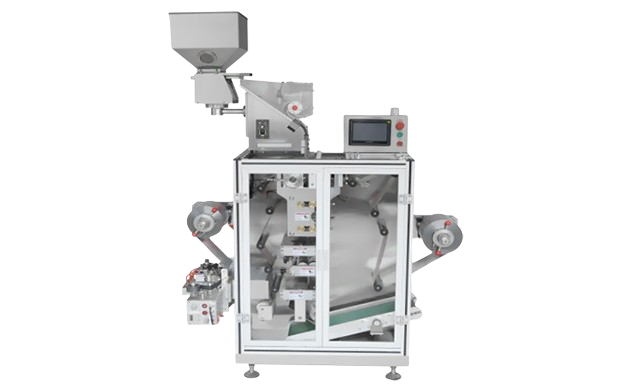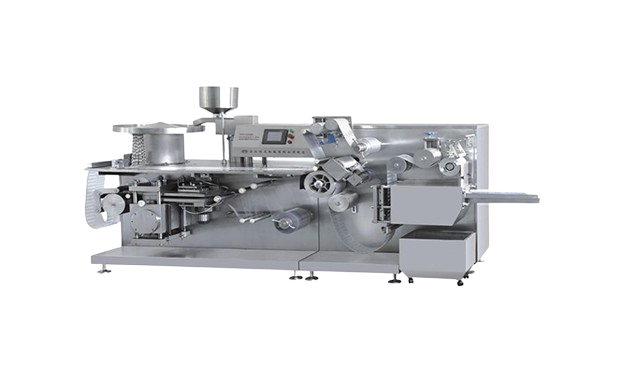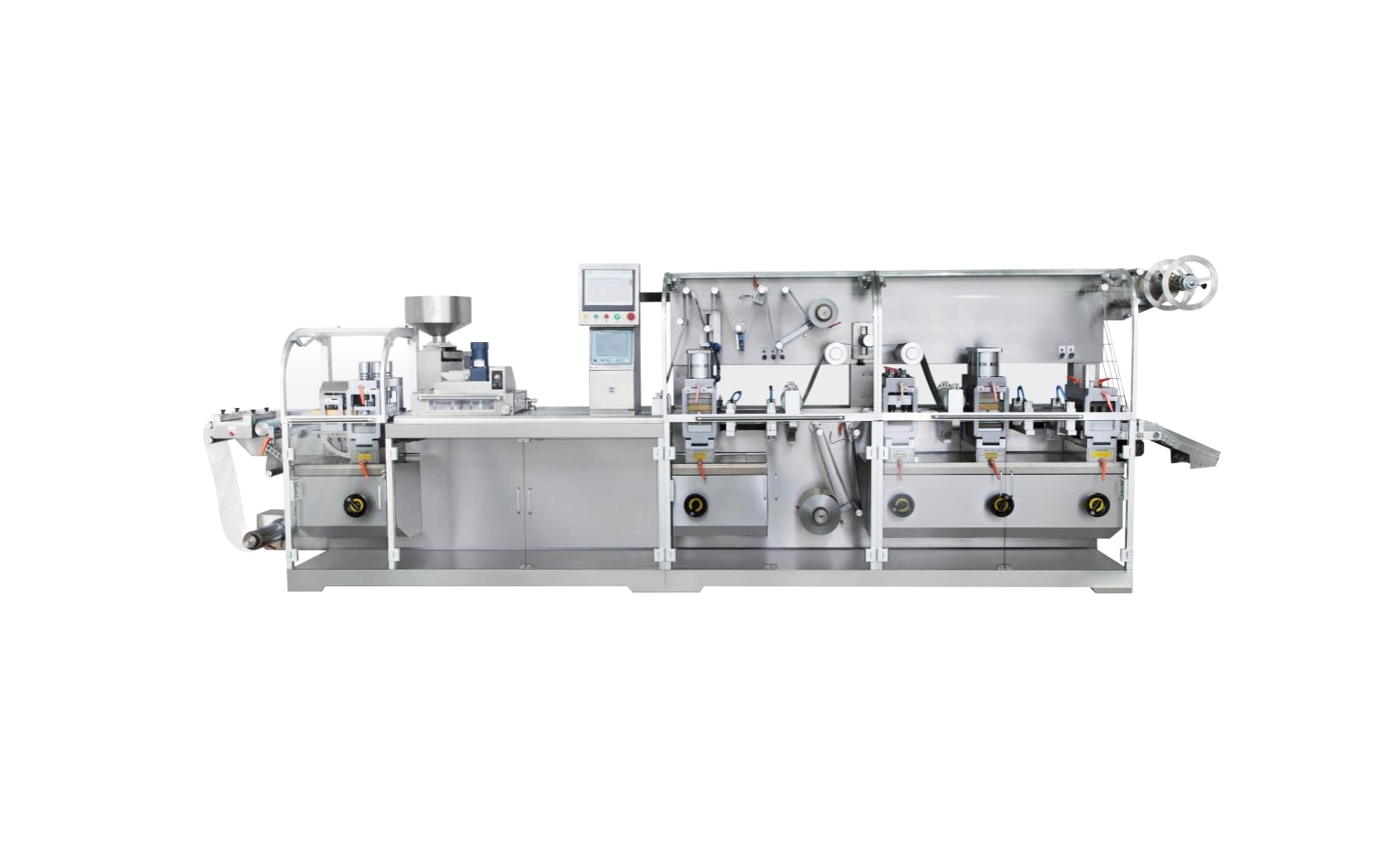
Capsule making equipment has become a core investment for pharmaceutical factories, nutraceutical brands, herbal product manufacturers, and contract production companies that need stable output, accurate dosing, and scalable production. For buyers comparing suppliers, machine models, production capacity, and long-term operating cost, working with a reliable capsule filling machine supplier is often the first practical step toward building an efficient capsule production process.
Unlike small DIY capsule tools used for personal supplementation, industrial capsule making equipment is designed around manufacturing priorities: fill weight consistency, capsule integrity, GMP-friendly structure, cleaning access, operator safety, automation level, and compatibility with upstream and downstream production lines. A capsule filling machine is not just a standalone machine. In many factories, it becomes the center of the capsule production workflow, connecting powder preparation, capsule polishing, sorting, counting, bottling, blister packing, and final packaging.
For B2B buyers, the main question is usually not “Which machine is the fastest?” but “Which machine matches the product, production target, budget, and expansion plan?” A machine with excessive capacity may waste capital and floor space. A machine with insufficient automation may create labor pressure and unstable batch quality. The most suitable capsule-making machine is the one that fits the real production environment.
Why Capsule Making Equipment Matters in Commercial Production

Capsules are widely used because they are convenient, clean, and flexible. Pharmaceutical powders, herbal extracts, probiotics, amino acids, vitamins, minerals, and functional ingredients can all be packed into hard capsules when the formulation and equipment are properly matched.
For manufacturers, capsule making equipment affects several business-critical factors:
- Production efficiency and daily output
- Dosage consistency and product quality
- Labor cost and operator workload
- Material waste and capsule rejection rate
- Cleaning time between batches
- Compliance with hygiene and GMP expectations
- Future ability to scale production
A well-selected capsule filling machine can reduce manual handling, improve batch repeatability, and make production planning more predictable. On the other hand, a poorly matched machine may lead to powder bridging, unstable fill weight, broken capsules, high dust levels, slow changeover, and avoidable downtime.
This is why experienced buyers usually evaluate capsule-making equipment through complete procurement logic: selection difficulty, working principle, machine type comparison, material testing, line integration, price analysis, and quotation requirements.
The Main Selection Difficulty: Matching Machine Type to Production Demand
Many procurement mistakes happen because buyers compare capsule-filling machine prices before defining their real production needs. Price is important, of course, but it should come after capacity, material behavior, capsule size, and automation level have been clarified.
Before choosing a machine, buyers should answer several practical questions:
- What capsule sizes will be produced?
- What is the target fill weight per capsule?
- Is the material powder, granule, pellet, micro-tablet, or a mixed formulation?
- How many capsules are required per hour, per shift, or per day?
- Will the machine be used for one stable product or frequent formula changes?
- Is the project for R&D, pilot production, small commercial batches, or mass production?
- Does the factory need GMP-oriented design and easy cleaning?
- Will the machine connect with polishing, sorting, counting, or packaging equipment?
- What level of operator skill is available?
- Is future capacity expansion expected within one to three years?
These questions may seem basic, but they often determine whether a capsule filling machine manual model, semi-automatic unit, capsule filling machine automatic system, or capsule filling machine fully automatic production solution is the better choice.
For example, a small herbal supplement producer launching a new product line may benefit from a semi-automatic capsule filler because it balances cost, flexibility, and output. A large pharmaceutical manufacturer running stable formulas in high volume may require a fully automatic capsule filling machine with high-speed operation, PLC control, dust extraction, and integration with downstream inspection systems.
Capsule Filling Machine Principle: How the Equipment Works

Understanding the capsule filling machine principle helps buyers make better equipment decisions. Although different machine designs vary, most capsule filling systems follow the same basic process: capsule loading, separation, powder filling, closing, and ejection.
Capsule Loading and Orientation
Empty hard capsules are first loaded into the machine. The equipment positions the capsules so that each shell sits correctly in the tooling. In automatic systems, capsule feeding, orientation, and placement are typically handled continuously.
Accurate capsule positioning is important because misaligned capsules can cause separation failure, powder leakage, capsule deformation, or stoppage. High-quality capsule making equipment uses precise tooling and stable mechanical movement to reduce these risks.
Capsule Separation
Hard capsules consist of two parts: the cap and the body. During operation, the machine separates the cap from the body. The body remains positioned for filling, while the cap is held separately for later closing.
If capsule shells are poor quality, too brittle, too soft, or dimensionally inconsistent, separation may become unstable. This is why capsule shell compatibility is not a minor detail. It directly affects production efficiency.
Powder Dosing and Filling
The capsule body is filled with powder, granules, pellets, or another suitable material. Depending on the machine type, the dosing system may use tamping pins, dosator technology, volumetric filling, auger-assisted feeding, or other mechanisms.
The filling step is where material characteristics matter most. Powder flowability, particle size, bulk density, moisture sensitivity, and stickiness all influence fill accuracy. Fine powders may create dust. Herbal extracts may be sticky. Light powders may require repeated tamping or special feeding support. Pellets may require a different dosing method than ordinary powder.
Capsule Closing
After filling, the capsule cap and body are joined together and locked. A stable closing process reduces loose capsules, powder leakage, and product rejection. In commercial production, capsule closing pressure must be controlled carefully so the capsule is sealed without cracking.
Capsule Ejection and Post-Processing
Finished capsules are discharged from the machine. Depending on production requirements, they may then pass through a capsule polishing machine, capsule sorter, metal detector, counting system, blister packaging line, or bottle filling line.
The capsule filling machine principle seems simple on the surface, but small differences in design can strongly affect real-world stability. Buyers should not only ask for output capacity. They should also ask how the machine handles difficult powders, capsule size changes, cleaning, dust control, and rejected capsules.
Manual, Semi-Automatic, Automatic, and Fully Automatic Capsule Filling Machines Compared
Capsule making equipment is usually divided into several categories based on automation level. Each type has a suitable production scenario.
| Machine Type | Typical Application | Labor Requirement | Output Range | Main Advantages | Main Limitations |
|---|---|---|---|---|---|
| Capsule filling machine manual | R&D, sample batches, small-scale testing | High | Low | Low cost, flexible, easy to understand | Slow output, more manual variation |
| Semi-automatic capsule filling machine | Small and medium production | Medium | Medium | Good balance of price, output, and flexibility | Still needs operator involvement |
| Capsule filling machine automatic | Commercial production | Low to medium | Medium to high | Better consistency, higher speed, lower labor dependence | Higher investment and setup requirements |
| Capsule filling machine fully automatic | Large-scale manufacturing | Low | High | High output, stable operation, suitable for continuous production | Higher price, requires stronger production planning |
A capsule filling machine manual model is often used in laboratories or early-stage product development. It allows teams to test formulation behavior, capsule size, and basic fill weight before investing in higher-capacity equipment.
Semi-automatic machines are popular among growing supplement and herbal product manufacturers. They offer better productivity than manual equipment while keeping the investment manageable.
Automatic and fully automatic capsule filling machines are better suited for commercial manufacturers with stable formulas, higher output targets, and stricter quality expectations. These machines are designed to reduce operator intervention and improve batch consistency over longer production runs.
How to Choose Capsule Making Equipment by Capacity

Capacity is one of the most important purchasing factors, but it is often misunderstood. Buyers sometimes focus on the maximum output listed in a brochure, while actual production capacity depends on powder behavior, capsule size, operator skill, cleaning time, and batch changeover.
A practical capacity calculation starts with daily demand:
Required hourly capacity = daily capsule target ÷ available production hours
For example, if a factory needs 800,000 capsules per day and operates one 8-hour shift, the theoretical requirement is 100,000 capsules per hour. However, real production planning should include time for material preparation, cleaning, inspection, capsule polishing, packaging transfer, and possible downtime. In that case, choosing a machine with some capacity margin is usually safer.
| Production Stage | Approximate Demand | Recommended Machine Type | Buyer Priority |
|---|---|---|---|
| R&D and formulation testing | Hundreds to a few thousand capsules per batch | Manual or small semi-automatic | Flexibility and low waste |
| Pilot production | Several thousand to tens of thousands per batch | Semi-automatic | Repeatability and testing efficiency |
| Small commercial batches | Tens of thousands per day | Semi-automatic or compact automatic | Output stability and operator efficiency |
| Medium commercial production | Hundreds of thousands per day | Automatic capsule filling machine | Capacity, accuracy, and cleaning workflow |
| Large-scale production | High-volume daily output | Fully automatic capsule filling machine | Continuous operation and line integration |
For factories planning long-term growth, it is useful to consider not only current orders but also expected demand over the next few years. If production volume is likely to rise quickly, a slightly higher-capacity capsule-making machine may provide better value than replacing equipment too soon.
Capsule Filling Machine Price: What Really Affects the Quotation?
Capsule filling machine prices can vary widely. A small manual machine and a fully automatic production system are not in the same investment category. Even within automatic machines, price differences can be significant because of speed, tooling, control system, material contact parts, and customization requirements.
The lowest price is not always the lowest cost. If a machine causes frequent stoppages, unstable fill weight, difficult cleaning, high capsule breakage, or limited after-sales support, the long-term cost can become much higher than expected.
| Price Factor | Why It Matters | Procurement Note |
|---|---|---|
| Automation level | Determines labor requirement and production consistency | Compare manual, semi-auto, automatic, and fully automatic options |
| Output capacity | Higher speed requires stronger mechanical design and control | Match capacity to real shift demand |
| Capsule size tooling | Different capsule sizes may require change parts | Confirm size range before the quotation. |
| Dosing system | Powder, pellets, and granules may need different filling structures | Provide material details for evaluation |
| GMP construction | Stainless steel contact parts and clean design improve hygiene | Important for pharma and regulated production |
| Control system | PLC and HMIs improve operation and monitoring | Ask about interface language and settings |
| Dust control | Fine powders require proper dust extraction | Reduces waste and improves operator environment |
| Line integration | Connection with polishing, sorting, counting, or packaging affects cost | Plan the full workflow early |
| After-sales service | Spare parts and technical support reduce downtime | Confirm documentation and service availability |
A serious quotation should be based on production requirements, not just a machine name. SED Pharma typically encourages buyers to share capsule size, target capacity, powder type, fill weight, voltage, and line planning information so that the recommended model is commercially realistic.
Powder and Material Testing Before Buying a Capsule Filling Machine
Material behavior is one of the most important practical issues in capsule production. Two powders may look similar but perform very differently inside a capsule filling machine.
Key material properties include the following:
- Bulk density
- Particle size distribution
- Moisture content
- Flowability
- Stickiness
- Electrostatic behavior
- Compressibility
- Oil content
- Sensitivity to humidity or temperature
Light and fluffy powders may not settle easily into the capsule body. Sticky botanical extracts may bridge the hopper. Very fine powders may create dust and affect filling accuracy. Pellets and granules may require gentler handling to avoid breakage.
Before confirming capsule-making equipment, buyers should ideally provide:
- Material sample for testing
- Target capsule size
- Target fill weight
- Expected fill weight tolerance
- Material safety information if relevant
- Production environment details
- Batch size and daily output target
Trial testing helps determine whether the selected filling system is suitable. It can also reveal whether the formulation needs pre-mixing, sieving, granulation, drying, flow aids, or special feeding assistance.
Capsule Size and Empty Capsule Compatibility
Capsule size affects fill weight, machine tooling, product appearance, and user experience. Common capsule sizes include 000, 00, 0, 1, 2, 3, 4, and 5. Larger capsules hold more material, but the actual fill weight depends heavily on powder density.
For example, size 0 capsules may hold very different weights of a dense mineral powder compared with a light herbal extract. This is why fill weight cannot be estimated only by capsule volume. Material density testing is necessary.
Capsule shell quality also affects production performance. Poor-quality capsules can cause:
- Separation failure
- Broken caps or bodies
- Loose closing
- Higher rejection rates
- Machine stoppage
- Inconsistent appearance
Gelatin capsules and HPMC vegetarian capsules may behave differently in high-speed production. Factors such as humidity, storage conditions, capsule brittleness, and dimensional stability all matter. A good equipment supplier will ask about capsule type before recommending a machine and tooling configuration.
Integrating Capsule Filling Machines into a Complete Production Line
A capsule filling machine often works best as part of a complete production system. For commercial factories, the process may begin with powder mixing and end with bottled or blister-packed capsules ready for distribution.
Buyers evaluating capsule production equipment should consider how each machine connects with the next step in the workflow.
A typical capsule production line may include the following:
- Powder mixer or blender
- Sieving machine
- Vacuum feeder
- Capsule filling machine
- Capsule polishing machine
- Capsule sorting machine
- Metal detector
- Capsule counting machine
- Bottle filling and capping line
- Induction sealing machine
- Labeling machine
- Blister packaging machine
- Cartoning machine
Line integration improves production efficiency and reduces unnecessary manual transfer. It also supports cleaner material handling, better dust control, and more consistent batch management.
When planning a full capsule line, buyers should consider machine height, discharge direction, cleanroom layout, operator movement, electrical requirements, air supply, dust extraction, and maintenance access. These details may not seem urgent during early quotation, but they can affect installation and daily operation later.
SED Pharma’s advantage extends beyond individual machines. The company can support buyers in thinking through the broader production process, from capsule filling to related packaging and production equipment. This consultative approach is especially useful for factories building a new line or upgrading from semi-manual production.
Manual vs. Automatic: Which Capsule Making Machine Is Right for Your Factory?
There is no single best capsule-making machine for every buyer. The right choice depends on the production stage, budget, formulation, labor conditions, and quality expectations.
Choose Manual Equipment When
A capsule filling machine manual model may be suitable when:
- The project is in early R&D
- Production volume is very low
- Formulas change frequently
- The buyer wants to test capsule size and fill weight
- The budget is limited
- Speed is less important than flexibility
Manual equipment can be useful for laboratories and startups, but it is not ideal for commercial-scale production where consistency, speed, and labor efficiency matter.
Choose Semi-Automatic Equipment When
Semi-automatic equipment is often a practical middle ground. It may be suitable when:
- The factory produces small- to medium-sized batches
- Operators are available
- Output needs are increasing
- More repeatability is required than manual tools can provide
- The business is not ready for a fully automatic system
For many nutraceutical and herbal capsule manufacturers, semi-automatic equipment provides a good balance between capsule-filling machine price and production capability.
Choose Automatic or Fully Automatic Equipment When
A capsule-filling machine automatic or fully automatic system is more suitable when
- Daily production volume is high
- The formula is stable
- Labor cost must be reduced
- Batch consistency is critical
- Production needs to run continuously
- The factory follows GMP-oriented processes
- Downstream packaging integration is required
A fully automatic capsule filling machine solution is usually a stronger investment for factories with mature products, stable demand, and clear production planning.
Key Technical Features B2B Buyers Should Compare
When comparing capsule making equipment manufacturers, buyers should look beyond price and brochure speed. The following technical features are often more important in daily production:
- Filling accuracy and weight stability
- Applicable capsule size range
- Capsule breakage and rejection rate
- Powder adaptability
- Hopper design and feeding stability
- Dust collection compatibility
- Tooling precision
- Changeover time
- Cleaning convenience
- PLC and HMI operation
- Safety protection systems
- Material contact surface quality
- Noise and vibration control
- Spare parts availability
- Technical documentation and training support
A machine that is easy to clean and maintain may save more time than a slightly faster model that is difficult to operate. Similarly, stable filling accuracy can reduce product loss and quality disputes.
SED Pharma focuses on practical equipment selection for pharmaceutical and nutraceutical production environments. Buyers can discuss production targets, formula characteristics, capsule sizes, and automation preferences before deciding on a model. This helps reduce the risk of purchasing equipment that looks suitable on paper but performs poorly in real production.
Common Mistakes When Purchasing Capsule Making Equipment
Procurement teams often face pressure to control investment costs, but several common mistakes can lead to higher long-term expenses.
Buying Only Based on the Lowest Price
Low initial cost may be attractive, but it can come with weak tooling, unstable operation, limited service, or poor material compatibility. A better approach is to compare the total cost of ownership.
Ignoring Powder Characteristics
A machine that works well with free-flowing material may struggle with sticky extracts, fine powders, or low-density blends. Material testing should be part of the buying process.
Choosing Capacity Without Considering Downtime
Maximum output is not the same as real daily output. Cleaning, changeover, quality checks, and maintenance must be included in capacity planning.
Forgetting Capsule Size Changeover
If the factory plans to produce multiple capsule sizes, tooling change requirements should be confirmed before purchase.
Not Planning Dust Control
Fine powders can create messy production conditions and affect machine performance. Dust extraction and proper feeding design are important for many formulations.
Ignoring Downstream Packaging
If filled capsules must be counted, bottled, blister-packed, or cartoned, the capsule filling machine should be selected with the full production line in mind.
Skipping Technical Communication
A short inquiry such as “Send capsule filling machine price” rarely produces the best recommendation. More detailed information helps the supplier recommend a suitable machine faster.
Why Work with SED Pharma for Capsule Filling Solutions?
SED Pharma provides capsule filling machines and related pharmaceutical production equipment for manufacturers that need reliable, scalable, and commercially practical solutions. Instead of treating capsule-making equipment as a single isolated purchase, SED supports buyers in evaluating the complete production requirement.
Key advantages include the following:
- Equipment options for different production scales
- Support for pharmaceutical, nutraceutical, and herbal capsule production
- Technical communication before model selection
- Practical focus on capacity, filling accuracy, and production workflow
- Solutions for automatic and semi-automatic production needs
- Related capsule production and packaging equipment options
- Support for quotation preparation and configuration discussion
For factories upgrading from manual or semi-automatic production, SED can help evaluate when an automatic capsule filling machine is justified. For larger manufacturers, the discussion can focus on output, integration, GMP design, and line efficiency.
This type of supplier support is valuable because capsule production involves more than mechanical speed. A successful project depends on formulation behavior, capsule compatibility, machine configuration, operator workflow, and after-sales support.
Quotation Checklist for Capsule Filling Machine Buyers
To receive a more accurate capsule filling machine price and model recommendation, buyers should prepare the following information before contacting a manufacturer:
- Required automation level: manual, semi-automatic, automatic, or fully automatic
- Target production capacity per hour or per day
- Capsule size or size range
- Capsule type, such as gelatin or HPMC
- Material type: powder, granule, pellet, extract, or mixed formula
- Target fill weight per capsule
- Expected filling accuracy requirement
- Bulk density and flowability information if available
- Need for dust collection or vacuum feeding
- Production shift plan
- Voltage, frequency, and local electrical standards
- Cleanroom or GMP-related requirements
- Need for polishing, sorting, counting, bottling, or blister packaging
- Available factory space or layout drawing
- Budget range and expected delivery timeline
Providing these details allows the supplier to more efficiently recommend suitable capsule-making equipment. It also reduces the chance of receiving a quotation that does not match the real production requirement.
Buyers who are still deciding on capsule shell type or size can also review empty capsule options when planning equipment compatibility and trial production.
For manufacturers preparing a new capsule line or upgrading existing equipment, SED Pharma can provide model selection support, technical discussion, and quotation guidance based on capacity, material, and production goals.
FAQ
What information should be sent to a capsule filling machine manufacturer before requesting a quotation?
A useful inquiry should include capsule size, target capacity, fill weight, material type, automation preference, voltage, and whether the machine will connect with polishing, counting, or packaging equipment. If possible, buyers should also provide powder samples or material data such as bulk density and flowability. This helps the manufacturer recommend a more accurate configuration instead of giving a generic price.
Can one capsule filling machine handle both powder and pellets?
Some capsule filling machines can be configured for different material types, but powder and pellets may require different dosing structures or feeding methods. Mixed formulations can be more complex because segregation may occur during feeding. Before purchase, it is better to confirm the material characteristics and arrange testing if the product contains pellets, granules, oily ingredients, or sticky extracts.
How long does it take to change capsule sizes on a commercial capsule filling machine?
Changeover time depends on the machine design, tooling structure, operator experience, and cleaning requirements. Switching capsule sizes usually requires replacing relevant molds or changing parts. In a regulated production environment, cleaning and verification may take longer than the mechanical adjustment itself. Buyers should ask the supplier about change parts, procedures, and estimated changeover time before confirming the order.