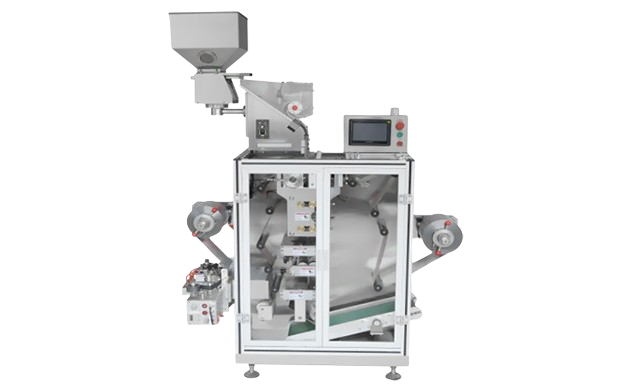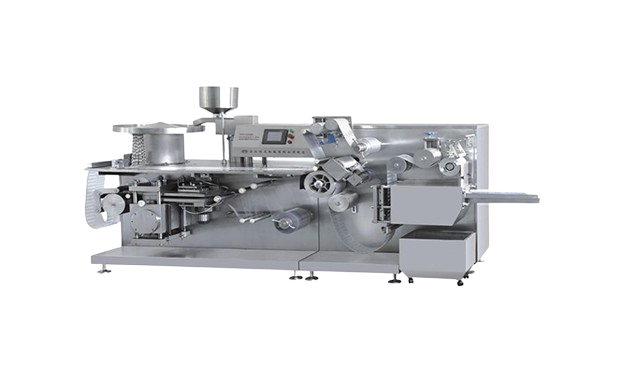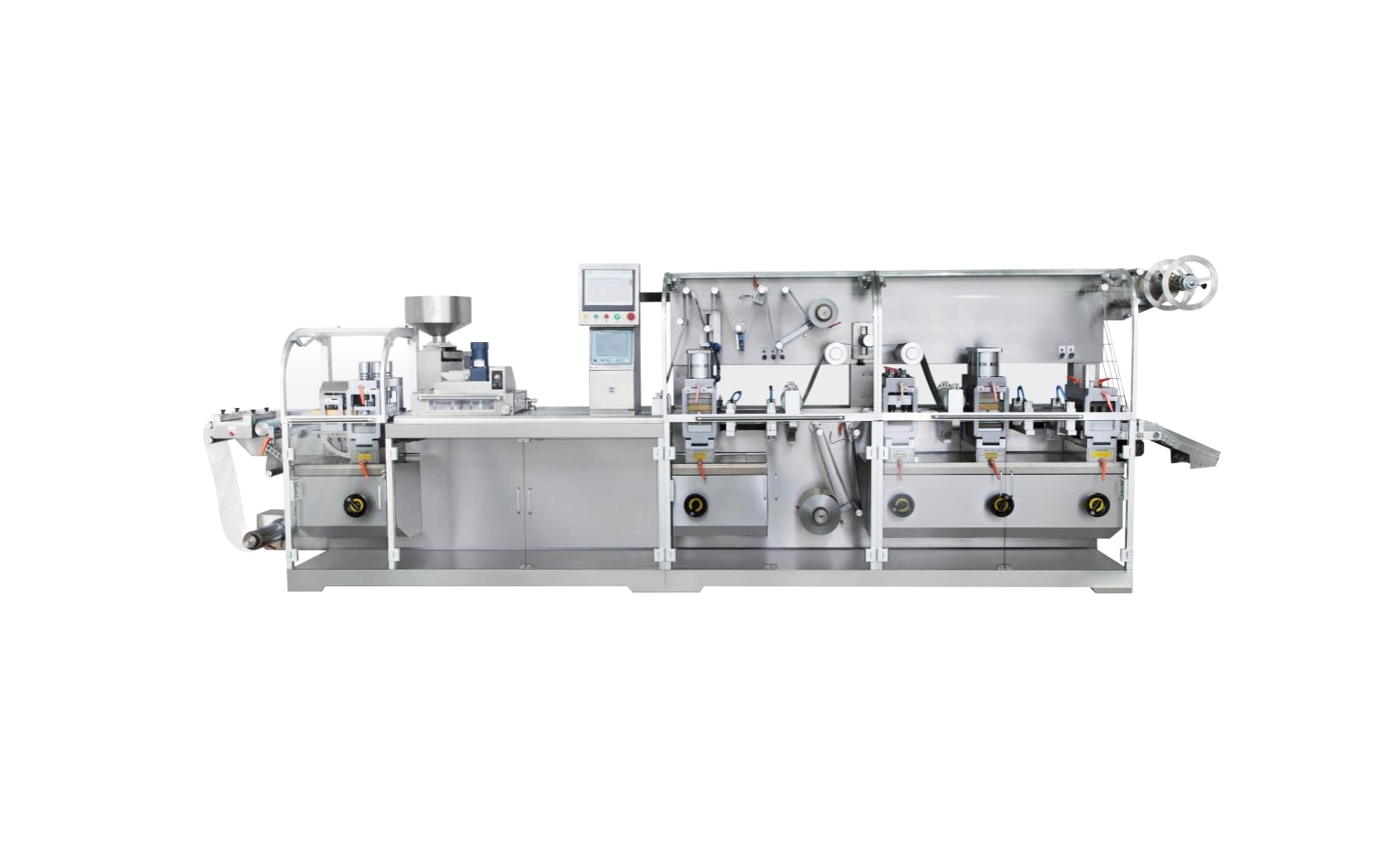
Beetroot has steadily moved from the dinner plate into the supplement aisle, driven by a growing body of research on its natural nitrates and antioxidant pigments. As demand for beet-derived products climbs, manufacturers are producing these supplements at scale, and the consistency of every dose depends heavily on the precision of the capsule filler systems used during production. For consumers, however, the more immediate question is simpler: how many capsules should you actually take? That question has no single answer, because capsule strengths differ so widely that two brands’ recommended servings can contain three times the active material of the other.
For most healthy adults, a daily intake of 500 to 2,000 mg of beetroot extract delivers the active compounds linked to cardiovascular and exercise benefits, with blood-pressure support most often associated with roughly 1,000 mg per day of concentrated beet nitrate. Individual needs still vary with body weight, diet, and health goals, so the figures below should be treated as a starting framework rather than a fixed prescription.
The following sections break down the numbers by goal, supplement form, and personal factors, and then examine what consistent potency requires on the production side, allowing you to choose a dose with real confidence.
How Much Beetroot Capsules Per Day to Lower Blood Pressure

The most-cited blood-pressure benefit appears at a daily dose of roughly 1,000 mg of beetroot nitrate concentrate, taken consistently over several weeks rather than as a one-off dose. This range mirrors the nitrate amounts found in about one to two cups of raw beet juice, delivered in a far more convenient form.
Clinical interest in beetroot centers on dietary nitrate, which the body converts into nitric oxide, a molecule that helps blood vessels relax and widen. Multiple trials have reported modest but meaningful reductions in systolic blood pressure after daily beet supplementation, typically in the range of 4 to 10 mmHg. The effect is usually gradual, which is why single-dose expectations tend to disappoint.
What the research suggests
A useful way to interpret the evidence is to look at the actual nitrate doses tested rather than the capsule count on a label. The table below summarizes representative study ranges and the outcomes reported.
| Daily nitrate equivalent | Approximate beetroot extract | Typical duration | Reported effect |
| 250–500 mg nitrate | ~500–1,000 mg extract | 2–4 weeks | Mild systolic reduction |
| 500–1,000 mg nitrate | ~1,000–2,000 mg extract | 3–6 weeks | 4–10 mmHg lower systolic |
| Single acute dose | ~300–600 mg extract | Hours only | Short-lived vessel dilation |
These numbers explain why a generic “take two capsules” instruction can be misleading: if each capsule holds only 250 mg of extract, two capsules sit at the low end of the effective window, while a concentrated 1,000 mg capsule reaches the target in a single serving. It is worth noting that beetroot works best as part of a broader heart-health routine that includes reduced sodium, regular movement, and adequate hydration, rather than as a stand-alone fix.
How long before you see results
Blood-pressure changes from beetroot are cumulative, not instantaneous. Most studies measure outcomes after at least two weeks of daily use, and the strongest results appear around the four-week mark. People who monitor at home usually notice the steadiest readings when they take the supplement at the same time each day and pair it with reduced sodium intake. As with any supplement affecting circulation, anyone on blood-pressure medication should review the plan with a clinician before starting.
How Much Beetroot Capsules Per Day in Milligrams
A practical daily target is 500 to 2,000 mg of beetroot extract, with 1,000 mg serving as the common midpoint for general wellness and cardiovascular support. The exact milligram figure matters far more than the capsule count, because capsule sizes and extract strengths vary widely between brands.
Understanding the label is the fastest way to avoid under- or overdosing. A bottle might suggest “2 capsules daily,” but if each capsule contains 500 mg of beetroot powder, that is only 1,000 mg total; if it contains 1,000 mg of concentrated extract, the same two capsules deliver the upper end of the effective range.
Standard powder versus concentrated extract
Not all beetroot products are equal in potency. Standardized extracts concentrate the active nitrates and betalains, meaning fewer capsules are needed to reach a therapeutic dose, while whole-powder capsules are bulkier and less predictable. The table below outlines how formulation changes the math.
| Product type | Typical per-capsule strength | Capsules for ~1,000 mg target | Notes |
| Whole beet powder | 400–500 mg | 2–3 capsules | Lower nitrate density |
| Standardized extract | 500–1,000 mg | 1–2 capsules | More consistent potency |
| Nitrate-concentrated extract | 1,000 mg+ | 1 capsule | Highest active compound load |
Reading the supplement facts panel
Always check the supplement facts panel for two things: the serving size and the “extract” qualifier. A product listing of “1,000 mg beetroot” may mean 1,000 mg of raw powder, not concentrated extract, so the effective nitrate content could be a fraction of a true concentrate. When the label states a standardized nitrate percentage, you can compare brands on a like-for-like basis and pick the dose that fits your goal without exceeding the upper daily limit.
Beetroot Capsules vs Beetroot Powder Capsules: Dosage

The dosage logic is the same for both forms, but beetroot powder capsules usually require more capsules to reach an equivalent active dose because the powder is less concentrated than an extract. Choosing between them is mostly a trade-off between convenience and cost.
Both formats deliver the same core compounds, yet they behave differently in practice. Powder-filled capsules are often cheaper and closer to the whole food, while extract capsules pack more activity into fewer pills, which many users find easier to stay consistent with. Behind that everyday consistency sits disciplined manufacturing, where a capsule polisher removes stray powder after filling so every finished capsule stays clean and uniform.
Why the conversion is not one-to-one
A capsule of beetroot powder might contain 500 mg of the root, but only a small percentage of that mass is active nitrate. A capsule of standardized extract can deliver the same nitrate load in 250 mg. So if a study used 1,000 mg of extract, simply taking two 500 mg powder capsules will likely fall short unless the powder is unusually rich.
Practical switching guidance
When moving from powder to extract, halve the capsule count rather than matching it pill for pill, then confirm with the label’s nitrate specification. Conversely, switching from extract to powder usually means doubling or tripling the number of capsules. Tracking how you feel over two weeks helps confirm the new routine lands in the effective window without pushing past the 2,000 mg daily ceiling most guides suggest.
Factors That Influence Your Ideal Dosage
Your personal sweet spot depends on body size, current diet, medication use, and activity level, so the published ranges should be adjusted rather than followed blindly. Two people taking the same product can reasonably need different amounts.
Beetroot is generally well tolerated, but its effects are not uniform. Someone who already eats leafy greens and beets several times a week enters with a higher nitrate baseline, while a first-time user starting from a low-nitrate diet may respond more noticeably to a standard dose.
Body weight and baseline diet
Larger individuals and those with nitrate-poor diets often benefit from the higher end of the 1,000–2,000 mg range, while lighter users or those already eating nitrate-rich vegetables may do well at the lower end. Diet logging for a few days reveals how much nitrate you already consume from spinach, arugula, celery, and beets themselves, which helps avoid redundant loading.
Medication and health considerations
Beetroot can interact with blood pressure and erectile dysfunction medications because all of these influence nitric oxide pathways. The combined effect may drop blood pressure more than intended. People with kidney stones, low blood pressure, or scheduled surgery should also check with a healthcare provider, since beets are moderately high in oxalates and affect circulation.
Training and performance goals
Endurance athletes sometimes use beetroot for oxygen efficiency, often timing a dose 2 to 3 hours before activity. For this goal, studies frequently use the higher end of the effective range, around 1,500 to 2,000 mg of extract, taken daily during a training block rather than only on event day.
Safety, Side Effects, and Who Should Be Cautious
Beetroot capsules are safe for most healthy adults at up to 2,000 mg daily, with the main side effects being harmless but surprising changes in urine or stool color and occasional mild digestive upset. Serious reactions are rare, but a few groups should proceed with care.
Most side effects are cosmetic rather than harmful. The vivid pigments responsible for beetroot’s health benefits also tint bodily fluids, which can alarm first-time users who are not expecting it.
Common, low-risk side effects
The best-known effect is beeturia, a reddish tint to urine and similarly colored stool, both caused by betalain pigments and entirely benign. Some users report mild bloating or loose stools when starting, which usually settles as the digestive system adjusts. Taking capsules with food and water can reduce this initial discomfort.
Who should consult a clinician first
Pregnant or breastfeeding individuals, people on blood-pressure or nitrate-sensitive medications, those with a history of kidney stones, and anyone preparing for surgery should seek medical advice before regular use. Because beetroot tends toward lower blood pressure, combining it with prescription nitrates without supervision is not recommended. Reliable information on nitrate intake and cardiovascular health is available from resources such as the National Institutes of Health Office of Dietary Supplements. When in doubt, a brief conversation with a pharmacist is usually enough to confirm whether beetroot fits alongside existing prescriptions.
Scaling Beetroot Capsules with Professional Production Equipment

For brands and contract manufacturers, delivering the doses described above at commercial scale hinges on three things: precise dosing, clean finishing, and reliable inspection to catch defects before products reach the shelf. Potency printed on a label is the output of tightly controlled machinery, not a manual step. Potency claims on a label are only as trustworthy as the line that fills the product.
When a supplement promises “1,000 mg of beetroot extract per capsule,” that number is the output of tightly controlled machinery, not a manual process. Small inconsistencies in fill weight translate directly into inconsistent potency, customer complaints, and compliance risk, which is why production equipment choice deserves the same attention as the formula itself.
Why dosing accuracy drives product trust
A well-engineered filling system holds fill-weight variation within a tight tolerance, typically around 1 to 2 percent, so every capsule meets the stated specification. This protects both the brand and the end user, who expects the same effect from the first botttoand the fiftieth. Inaccurate dosing, by contrast, forces manufacturers to overfill as a safety margin, wasting expensive extract and squeezing their margins.
The production workflow that protects potency
A typical capsule line moves through dosing, closing, polishing, and visual checks. After filling, a capsule polisher removes surface powder that would otherwise stick to capsules and contaminate downstream equipment, while an integrated capsule inspection station uses vision systems to reject empty, deformed, or improperly locked units. Together these steps turn a raw formula into a clean, uniform, shelf-ready product.
What to look for when specifying equipment
Operations that plan to launch or upgrade a beetroot capsule line should weigh a few decisive features: dust-tight, GMP-compliant stainless-steel contact parts that simplify cleaning between batches; dosing modules flexible enough for both powder and concentrated extract; and automated polishing and inspection that minimize manual handling and rejects. If you are evaluating options for a new or expanding line, speaking with a specialist about the right configuration for your volume and formula can prevent costly rework later. The same principles apply whether you need a single filler or a fully integrated capsule production cell built around a dependable capsule filler at its core.
Frequently Asked Questions
Can I take beetroot capsules on an empty stomach?
Many people tolerate them best with food, since taking them on an empty stomach can cause mild nausea or bloating. If you use beetroot for exercise performance, a dose 2 to 3 hours before training works whether it is taken with a light meal or a snack.
How soon will beetroot capsules change my blood pressure readings?
Most studies show meaningful changes after 2 to 4 weeks of daily use, with the clearest results occurring near the four-week mark. Home monitoring at a consistent time each day gives the most reliable picture of the trend.
Is it safe to combine beetroot capsules with heart medication?
Combining beetroot with prescription nitrates or blood-pressure drugs can lower blood pressure more than intended, so such combinations should only be done under medical supervision. Always review new supplements with your clinician if you already take cardiovascular medication.