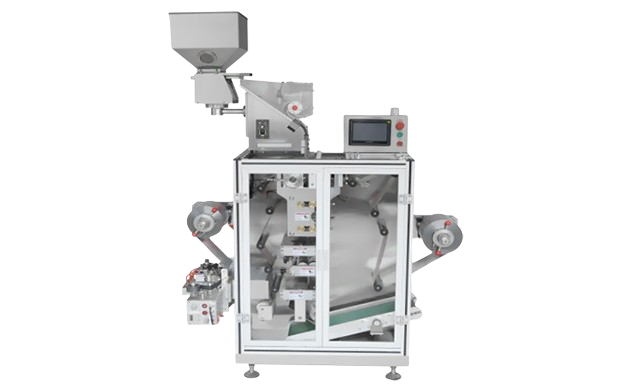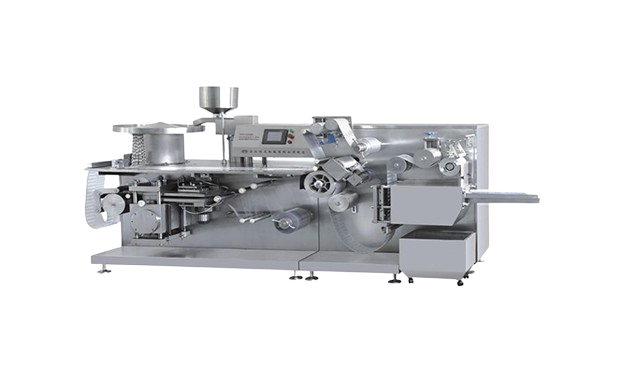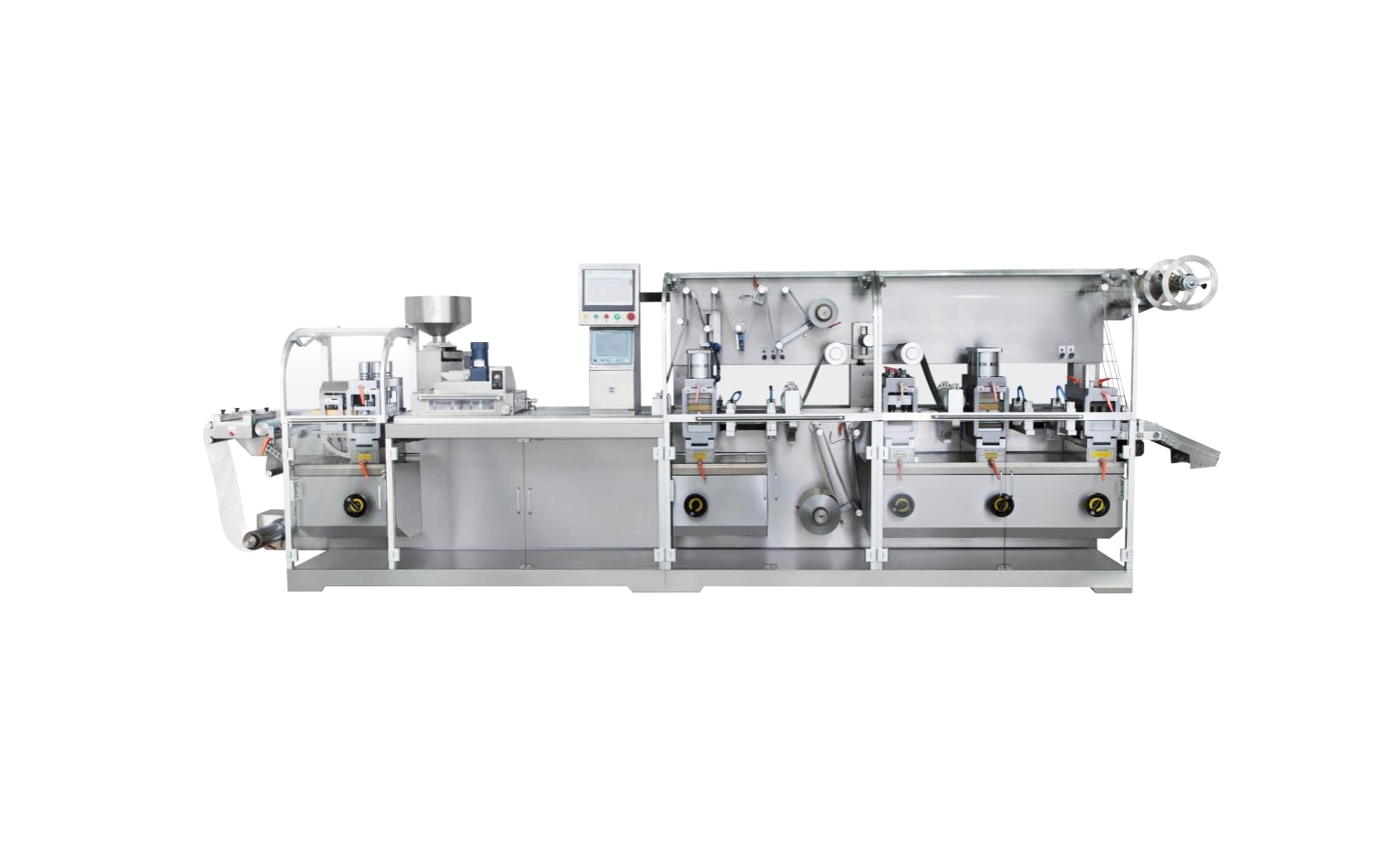
People search “how to build a pill press” for two very different reasons. Some want a weekend DIY project; others need to understand how a tablet press machine is engineered before investing in one for pharmaceutical, supplement, or chemical production. For the second group, the machine’s design decides tablet weight consistency, hourly output, and plant compliance.
Tablet presses share a frame, drive, feeder, punches and dies, and controls. Rotary presses additionally use a rotating turret, cam tracks, and compression rollers; single-punch presses use a different drive and tooling arrangement. It turns granulated powder into tablets through four stages: filling, metering, compression, and ejection.
Below we break down each part, explain the working principle, and show how to match a machine to your production target.
| Machine Tier | Capacity (pcs/hr) | Maximum diameter across series varies by submodel | Best For | Pricing |
|---|---|---|---|---|
| Single-Punch Tablet Press Machine (SED-DY-D) | 1,200-5,000 | 25 mm | Lab trials, R&D, small batches | Request a quote. |
| Rotary Tablet Press Machine (SED-Y-A) | 15,000-97,200 | 25-40 mm by submodel | Pilot and mid-scale production | Request a quote. |
| High-Speed Rotary Tablet Press Machine (SED-GY-B) | 30,000-675,000 | 11-25 mm by submodel | Mass production lines | Request a quote. |
Do not select a press from the series Maximwms alone. Confirm tablet diameter, station count, and output for the exact submodel.
Data source: SED product pages, checked on September 9, 2026. Figures are ranges across each model series, not the specification of one single machine.
If you already know your target output, send your tablet size and hourly capacity through any product page above. Our engineers will reply with a matched model and a quotation.
What is a pill press,press, and what is it called?

A pill press is the everyday name for a tablet press machine, also known as a tablet compression machine or tableting machine. In industry, the term covers everything from a desktop single punch tablet press in a laboratory to a high-speed rotary tablet press producing hundreds of thousands of tablets per hour.
The different names describe the same working idea: a measured dose of granulated powder is compacted between two punches inside a die. What separates an industrial pill press machine from a homemade device is not the idea but the engineering behind it.
A commercial tablet press is built around a heavy cast frame that absorbs vibration during each compression cycle. Its punches and dies are machined to tight tolerances, and the compression force is adjustable and measurable. Adjustable compression and controlled filling help achieve target tablet weight, thickness, and hardness; actual consistency must be verified with the buyer’s formulation during a trial. Contact parts are typically stainless steel, and the pressing zone is enclosed to keep dust contained. A DIY device assembled from steel plates and a jack can squeeze powder into a shape, but it cannot hold those tolerances across thousands of cycles. That gap is exactly what buyers pay for when they look for a pill press machine for sale.
Main systems of a rotary tablet press
However, the machine is sized, and a tablet press is built from five core systems: the frame and drive, the hopper and feeder, the turret with punches and dies, the pressure rollers and cam tracks, and the control and safety systems. In a single-punch tablet press, there is no rotary turret. Instead, a single upper and lower punch set is mounted in a fixed die station, and compression is performed one tablet at a time.
Frame and drive system
The frame is the backbone of the machine. It carries every load generated during compression, so manufacturers use rigid cast or welded structures to keep deformation and vibration low. The drive system, usually an electric motor with a gearbox, converts rotation into the pressing motion. On a single punch tablet press machine, an eccentric mechanism moves one set of punches. On a rotary tablet press, the drive turns the whole turret at a controlled speed.
Hopper and feeding system
The hopper stores the granulated material and releases it toward the dies. Consistent feeding is what keeps tablet weight variation low, so production machines typically use force feeders with impellers rather than simple gravity flow. The feeder design has to match the flow behavior of the material; a poor match here usually shows up later as weight variation on the finished tablets.
Turret, punches, and dies
This is the heart of the press. The die holds the powder, and the upper and lower punches compress it from both sides. On rotary machines, all tooling sets sit in a rotating turret, so dozens of tablets are formed per revolution. The tablet press tooling defines the tablet’s diameter, shape, and any embossed logo, and it is also the main wear part, which is why tooling material and surface treatment matter for long production runs.
Pressure rollers and cam tracks
As the turret rotates, cam tracks guide each punch through its cycle, and pressure rollers squeeze the punches together at the compression point. Larger machines add pre-compression rollers, which press the powder lightly before the main compression. This helps push trapped air out of the die and reduces problems like capping on materials that are difficult to compress.
Control and safety systems
Modern tablet pressing machines use a PLC with a touch screen to set speed, monitor pressure, and record production data. Depending on the model and configuration, controls may monitor compression force and provide overload protection. Confirm station-level monitoring in the selected machine specification. Interlocked guards keep operators away from moving parts. These systems are a large part of what separates an engineered machine from anything built in a workshop.
How does a pill press turn powder into tablets?

A pill press makes tablets in a repeating four-stage cycle: the die is filled with granules, the fill is metered to a set volume, the punches compress the powder into a solid tablet, and the finished tablet is ejected from the die.
- Filling. The die passes under the feeder, and granules flow into the die cavity, helped by the lower punch sitting at its lowest position.
- Metering. The lower punch rises slightly to push excess powder out, and a scraper levels the die surface, so each die holds the same volume of material.
- Compression. Upper and lower punches pass between the pressure rollers and compact the powder into a tablet with a defined thickness and hardness.
- Ejection. The lower punch rises and pushes the finished tablet out of the die, where a take-off plate guides it to the discharge chute.
A single punch tablet press runs this cycle one tablet at a time, which keeps it simple and cheap to tool up for trials. A rotary tablet press machine mounts many tooling sets on a turret, so every stage happens continuously at different stations as the turret turns. That is what raises output from a few thousand tablets per hour to tens of thousands, without changing the basic pressing principle.
Should you build or buy a pill press?
For anything beyond a hobby experiment, buying an engineered machine is the practical choice: a commercial tablet press gives you controlled compression force, repeatable tablet weight, compliant contact materials, and safety protection that a homemade build cannot realistically provide.
The comparison below sums up where the two paths differ.
| Factor | DIY Build | Commercial Tablet Press |
|---|---|---|
| Compression force | Estimated by feel, not measured | Adjustable and sensor-monitored |
| Tablet weight consistency | Varies from tablet to tablet | Held within a tight tolerance |
| Contact materials | General steel, hard to clean | Stainless steel, GMP-friendly design |
| Safety | Exposed moving parts | Guarding, interlocks, overload stop |
| Output | A few tablets at a time | Thousands to hundreds of thousands per hour |
| After-sales service | None | Professional after-service team |
The table is a general comparison, not a test result for any specific build. In practice, the deciding factor is usually consistency: once you need every tablet to meet the same weight and hardness specification, you need a machine whose pressure, fill depth, and speed can be set, measured, and repeated.
Which type of tablet press machine fits your production?

The right type depends mainly on your hourly output and product stage: single-punch machines suit lab and small-batch work, standard rotary presses cover pilot and mid-scale production, and high-speed rotary presses serve mass production lines.
Single-punch tablet press for lab and small-batch work
A single punch tablet press uses one set of tooling and a simple drive, so it is easy to operate, clean, and retool. SED’s desktop SED-DY series, for example, covers four models with a maximum pressure of 15 to 60 kN, tablet diameters up to 25 mm, and capacities from 1,200 to 5,000 pcs/hr, which suits formulation trials, R&D batches, and small runs of shaped tablets. Figures are from the SED product page, checked September 9, 2026.
Rotary tablet press for pilot and mid-scale production
A rotary tablet press carries multiple stations on a turret and runs fully automatically. SED’s SED-Y-A series offers 17 or 27 punch and die sets, a maximum pressure of 100 to 120 kN, tablet diameters up to 40 mm, and capacities from 15,000 to 97,200 pcs/hr. The enclosed stainless steel structure follows GMP requirements, which makes this tier a common choice for moving a product from development into regular batch production.
High-speed rotary press for mass production
For continuous, large-volume output, a high-speed machine adds force feeding, servo control, and pressure monitoring on every station. SED’s high-speed rotary tablet press machine series spans 29 to 75 stations, with capacities from 30,000 up to 675,000 pcs/hr depending on the model and tablet size. This tier is built for plants where the press runs as part of a full line, feeding dedusting, inspection, and packaging equipment downstream.
What should you check before ordering a tablet press?
Before you request a quotation, prepare a short specification: your target output, tablet size and shape, material behavior, tooling needs, and how the press will connect to the rest of your line. Suppliers can quote much faster and more accurately with this information.
- Hourly output and shifts. Base capacity on real running hours per day, not the machine’s theoretical maximum.
- Tablet diameter and shape. Large or irregular shapes may rule out high-speed models and affect tooling cost.
- Material flowability and compressibility. Sticky, abrasive, or poorly flowing powders influence the feeder type and pressure range you need.
- Tooling standard and changeover. Confirm the punch and die standard and how long a product changeover typically takes.
- Downstream connection. Plan how the press links to dedusting, metal detection, inspection, and counting or packaging equipment.
- Material suitability. Confirm with the supplier that your actual formulation has been evaluated for the machine and tooling before finalizing the model.
If you share these points with us, our engineers can recommend a model and return a quotation based on your real material and capacity target, rather than a generic configuration.
Choosing a pill press comes down to understanding how the machine is built. The frame and drive, the feeding system, the tooling, the compression rollers, and the controls all work together in one repeating cycle, and each of them shapes the quality of your tablets. Match the machine type to your output stage, confirm material fit with your supplier, and the equipment decision becomes straightforward. When you are ready, send us your tablet specification and capacity target through any product page on this site, and we will come back with a model recommendation and a quotation.
FAQ
How much does a tablet press machine cost?
There is no honest single figure, because price moves with type, station count, automation level, and tooling. A desktop single punch press and a 75-station high-speed line are different investments by design. Options like force feeders, pressure monitoring, and custom tooling also change the final number. For this reason, most manufacturers, including SED, quote per project. Sharing your tablet size, target output, and material type is the fastest way to get a real figure.
Can one tablet press make different tablet shapes and sizes?
Yes, in most cases. The tablet’s shape, diameter, and embossing come from the punches and dies, not from the machine frame, so swapping the tooling changes the product. The practical limits are the machine’s maximum tablet diameter, its pressure range, and the tooling standard it accepts. Changeover time varies by model, so if you run many products, ask about tooling changeover when you compare machines.
What materials can be pressed into tablets?
Tablet presses generally work with granulated or free-flowing powdered materials across pharmaceutical, supplement, food, chemical, and veterinary products. Whether a specific formulation presses well depends on its flowability, particle size, moisture, and compressibility, so results can differ from one material to another. For difficult formulations, the most reliable approach is to share your material details with the supplier and confirm machine and tooling fit before ordering.