Capsules serve as primary products in the pharmaceutical, nutraceutical, and cosmetics industries. Whether you are a pharmaceutical manufacturer or a health supplement brand, understanding the differences between soft capsules and hard capsules is critical for selecting the appropriate encapsulation technology and equipment.
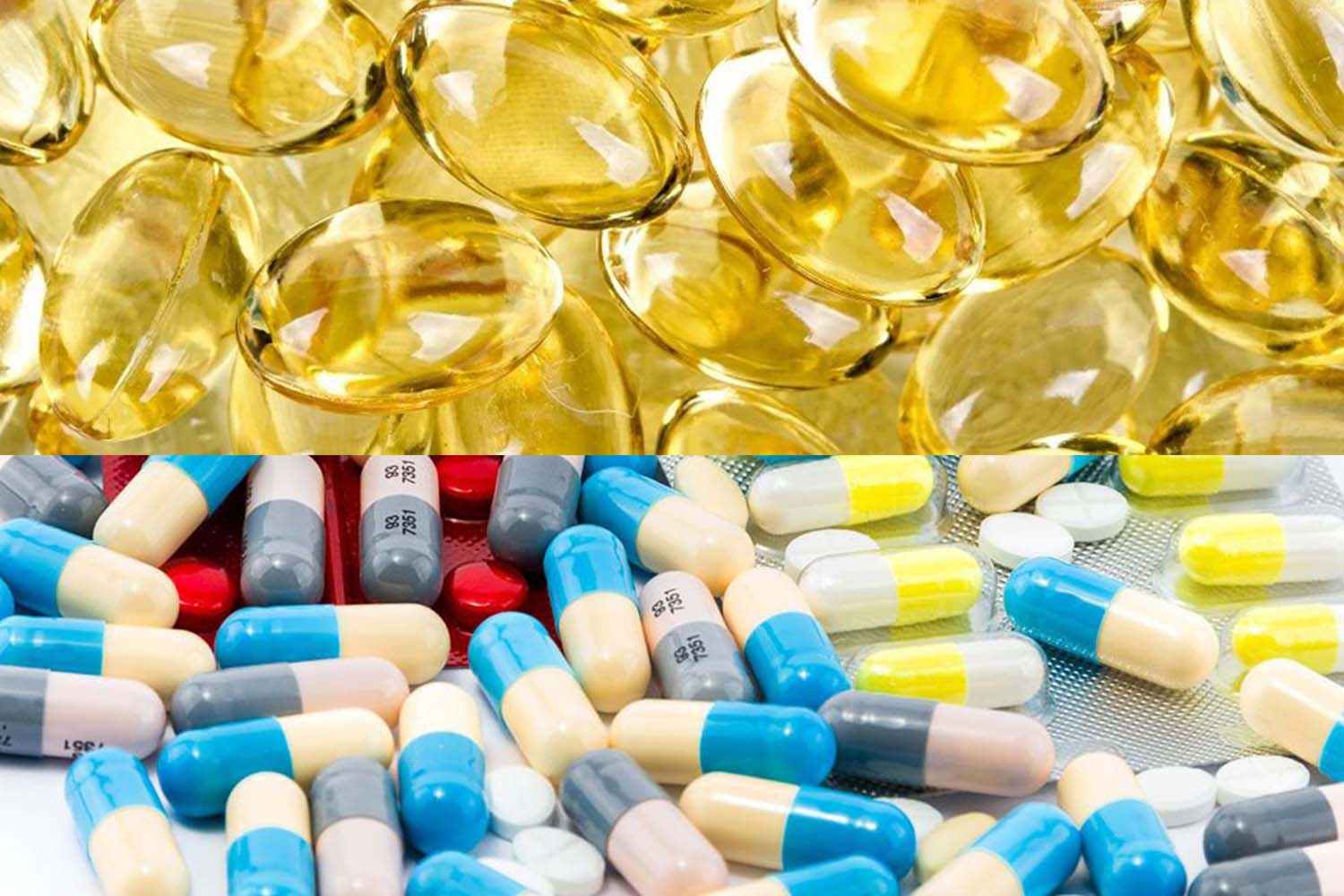
As mentioned in our previous article “What Is Gelatin Capsule,” gelatin capsules can encapsulate various substances such as powders, liquids, semisolids, and tablets. Additionally, gelatin capsules offer excellent bioavailability due to their ability to dissolve quickly, reliably, and safely. They are primarily available in two forms: hard capsules (also referred to as two-piece capsules) and Soft Gelatin Capsules (also called softgels).
Hard Capsules vs Soft Capsules: 4 Major Differences
Difference 1: Structural Differences
Hard Capsules: Composed of two separable hollow shells (cap and body), filled with uniformly mixed medicinal powders or granular materials. Suitable for various powdered or granular drug formulations.
Soft Gelatin Capsules: A hermetically sealed, single-unit structure, typically spherical or oval in shape. The contents are liquid, emulsion, or semisolid drugs, formed in a single-step encapsulation process using softgel machines. Commonly used for oil-based or solution-based medications.
Difference 2: Function & Role
Softgels: Utilize softgel encapsulation machines to directly inject a measured volume of liquid medication into a gelatin film for sealing. Alternatively, solid drugs are dissolved, suspended, or emulsified with excipients to form a stable fill, which is then encapsulated. Ideal for oily, volatile, or oxidation-prone drugs.
Hard Capsules: Employ automatic or semi-automatic capsule-filling machines to fill hollow shells with powders, granules, pellets, liquids, or semisolid materials. They are one of the most common solid dosage forms in modern pharmaceuticals.

Difference 3: Functional Characteristics
Advantages of Soft Gelatin Capsules:
- Capable of encapsulating high concentrations of liquid oily substances without the need for adsorbents or inclusion agents; oil-based content can reach 60%–85% (w/w).
- Excellent sealing properties, effectively protecting the contents from air, light, and oxidation.
- Easy to swallow, providing a better user experience.
Advantages of Hard Gelatin Capsules:
- Simpler manufacturing process, lower production cost, and high degree of automation.
- Fast onset of action, effectively masks unpleasant drug odors, and widely used in both traditional Chinese and Western medicine.
- Hollow capsule shells are available in a wide range of sizes (commonly #0 to #5), allowing for flexible dosing options.
Difference 4: Applications
Hard Capsules Are Suitable For:
- Light-sensitive, oxidation-prone, or moisture-sensitive drugs.
- Medications with strong odors or requiring controlled-release/sustained-release mechanisms.
- Solid contents such as herbal powders, granules, or micropellets.
- Production requirements with high cost control requirements.
Softgels Are Suitable For:
- Oily drugs or low-melting-point ingredients.
- Active substances that are unstable to moisture and heat, volatile, and oxidizable.
- Medications with strong odors or bitter tastes.
- Hydrophobic drugs requiring enhanced bioavailability.
- Versatile formats: oral dosages, rectal suppositories, topical cosmetic products.
Preparation Process of Hard and Soft Capsules
Hard Capsule Manufacturing Process
The production of hard gelatin capsules involves several essential stages to ensure quality and efficiency. The main process includes: manufacturing the hollow capsule shells → mixing the active pharmaceutical ingredients (APIs) with excipients → filling and sealing the capsules → sorting → polishing → packaging → quality inspection → and finally, obtaining the finished product.

The creation of the hollow capsule shells themselves typically follows these steps: gelatin solution preparation → dipping → drying → demolding → trimming → finishing.
Hard gelatin capsules accommodate a variety of excipients in addition to APIs, with common diluents including starch, sucrose, microcrystalline cellulose, cellulose, lactose, and magnesium oxide. These excipients help optimize the formulation for stability, flowability, and dosage accuracy.
Hollow capsule specifications are divided into 8 types from small to large: #5, #4, #3, #2, #1, #0, #00, and #111. The common ones are #0~#5.
Regarding capsule filling, manual filling is appropriate for small-batch production, while semi-automatic filling machines serve medium-scale operations effectively. For large-scale industrial manufacturing, fully automatic capsule filling machines are employed to maximize production efficiency and maintain consistent product quality.
Soft Capsule Manufacturing Process
There are two common manufacturing methods for soft capsules: the compression method (molding) and the dropping method. The appropriate method can be chosen based on production capacity and the nature of the capsule contents.
Method 1: Compression Method (Molding)
The first step is to prepare capsule material glue. According to the capsule material formula, soak the gelatin in distilled water to make it swell. After the gelatin is melted, add other materials together, stir and mix evenly.

The second step is to make film. Take out the prepared capsule material glue solution and apply it on a flat board surface to make the thickness uniform, and then heat it at a temperature of about 90°C to evaporate the surface moisture and become a flexible film with a certain degree of toughness and elasticity.
The third step is to compress the soft capsule. For small-batch production, it is manually pressed with a press pill mold. For large-batch production, an automatic rotary capsule mill is often used for production.
Method 2: Dropping Method
The dropping method uses specialized soft capsule dropping equipment that precisely injects the contents into the gelatin solution through nozzles, forming capsules automatically. This method requires strict control of the gelatin solution’s formulation and viscosity, as well as the density and temperature of the fill material.
Machines Used for Making Hard Gels and Softgels
Hard Capsule
In the production process of hard capsules, many pharmaceutical machinery will be used.

Empty Capsule Preparation
– Melting Tank: Used for uniform melting and stirring of gelatin, water, glycerin, and additives to produce a stable gelatin solution.
– Dipping Machine: Dips molds into the gelatin solution to form empty capsule shells.
– Conveying Drying System:Transports and dries the freshly formed capsule shells.
Raw Material Preparation
– Crushing Equipment (e.g., Colloid Mill, Crusher): Reduces particle size for better mixing and granulation.
– Screening Equipment (Vibro Sifter): Uses vibration to separate and classify powders.
– Mixing Equipment: V-type Mixer
V dry powder mixer machine is straight-forward and it is easy to operate. This mixing machine is to realize the mutual flow, diffusion, accumulation and adulteration of many kinds of pharmaceutical materials. Finally achieve the purpose of uniform mixing.
– Granulator
Granulator can be divided into wet granulating machine, dry granulating machine, oscillating granulator, fluid bed granulator due to different granulation method.
Capsule Filling
– Capsule Filling machine
Capsule filler is used to fill empty capsules. According to different output, capsule manufacturers can choose manual filling, semi-automatic capsule filling machine and fully automatic capsule filling machine.

– Capsule Polishing machine
Automatic capsule polisher applies the rotating brush principle to clean the capsules on continuous basis. Making capsules more clean and shiny.
– Capsule Printing Machine
Capsule printer is suitable to printing letters, brands and designs on hard capsules, soft capsules, various kinds of tables (of irregular shapes) and candy.
– Packing Machine
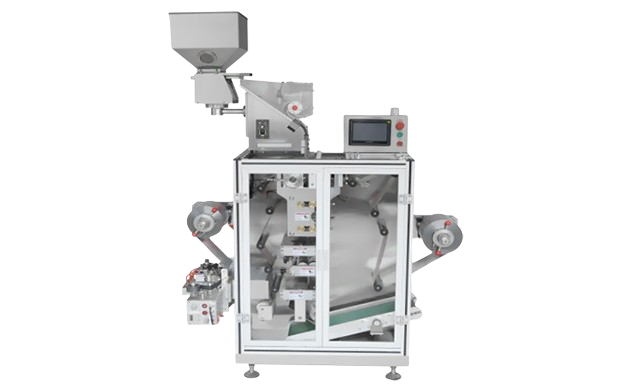
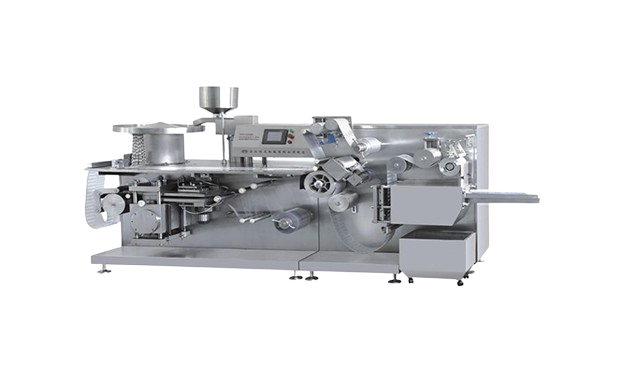
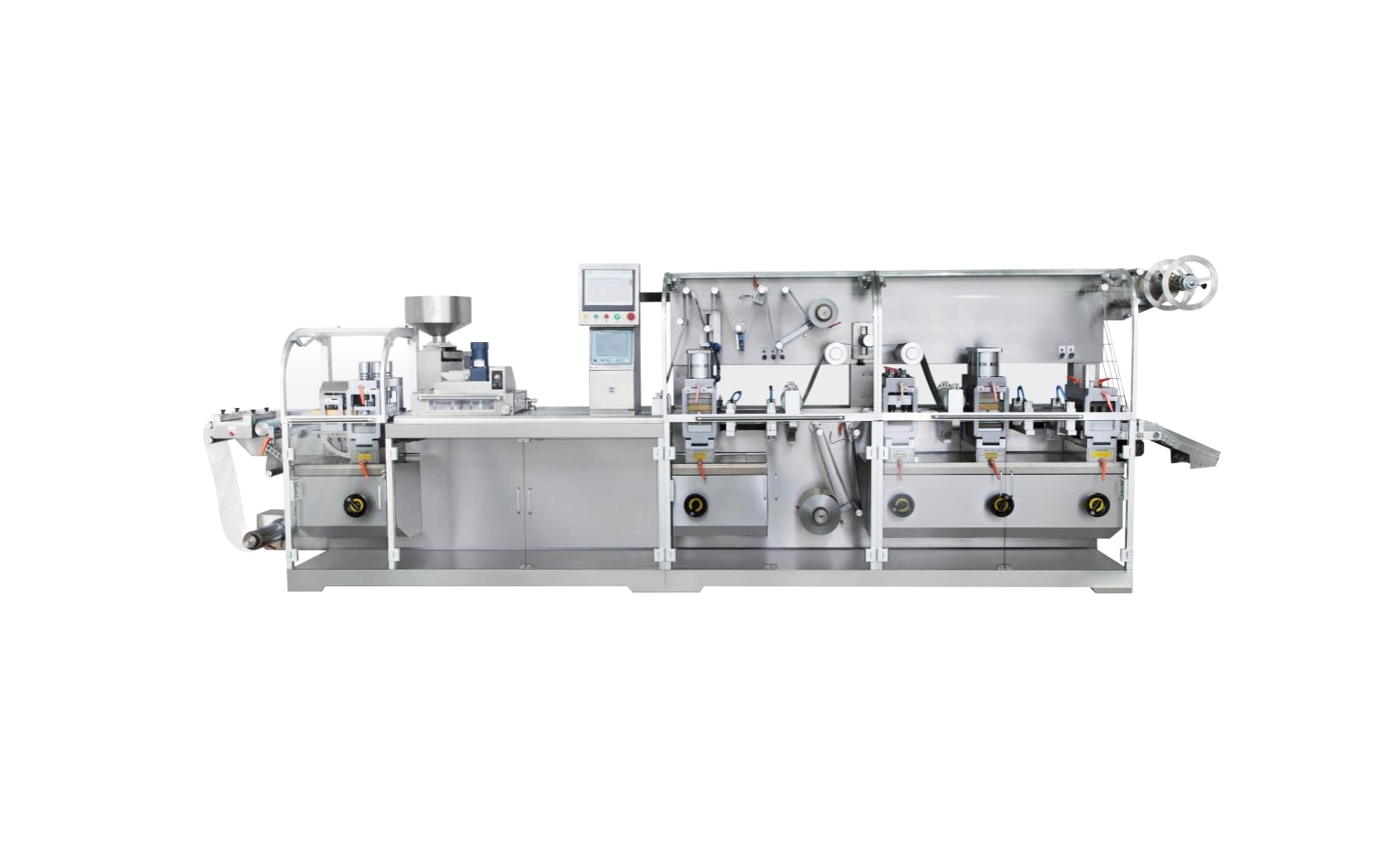
If medicine board is the smallest package, use blister packaging machine to form a blister, and seals the capsules between the blister and the bottom plate by heat sealing, bonding and other methods.
If medicine bottle is the smallest package, capsule counting machine is the best choice. Capsule counting machine can be used separately, also can work with other machines to form a capsule bottling line.
Different speed requirements, different counting machine recommended. The more channels, the faster the speed. The 48 channel counter can reach the speed of 100-180bottles (80-100 pcs/bottle)/min

The last machinery used in process of hard capsule is cartoning machine. Choose horizontal cartoning machine, vertical cartoning machine and high speed catoner according to your needs.
Soft Capsule
Soft capsules (softgels) require specialized encapsulation processes distinct from hard capsules, involving emulsification, encapsulation, and gentle drying methods.
Gelatin and Material Preparation
– Gelatin Melting Tank: Melts and mixes gelatin with other ingredients.
– Material Preparation Tank (Blending Tank): Prepares the fill material through mixing and heating.

Emulsification and Homogenization
– Colloid Mill Grinding Machine
The fluid or semi-fluid material passes between the fixed teeth and the movable teeth that are relatively linked at high speed, so that the material is subjected to strong shear force, friction force and high-frequency vibration, etc., and is effectively crushed, emulsified, homogenized, and tempered. So as to obtain the content that meets the requirements of the soft capsule.
– Vacuum Homogeneous Emulsifying Mixer Machine
Vacuum emulsifying mixer machine is made up of homogenizer & middle blade stirrer & scraper residues stirrer to form the best mixing way in order to produce the perfect mixed material.
Encapsulation
– Automatic Soft Gelatin Encapsulation Machine
Automatic encapsulation machine can quantificational inject the oil, mixing suspension and pasty mass into the capsule to form all kinds of soft gel encapsulation with different size, shape and color. Favored by more and more manufacturers and used in medicine, health products, cosmetic and and so on.
Drying and Cleaning
– Drying Tunnel Machine
The most effective way to drying soft capsule is by using a dedicated softgel drying tunnel machine. These ensure the capsules’ water content is reduced to the target levels with a gentle drying that preserves the quality of the capsule shell.
– Ultrasonic Soft Capsule Cleaning Machine
The equipment can clean the soft capsules once, and there will be no squeezing phenomenon in the whole process. The cleaning process is divided into four steps: ultrasonic immersion, soaking, separation of pellets and alcohol, and spraying
Packaging
– Packaging Machines: Shared with hard capsules; includes blister packaging, counting machines, and cartoners depending on final packaging needs.
After reading the whole article, you must have a further understanding about the differences between hard capsules and soft capsules, share it with anyone in need! Welcome to contact us If you have any other questions!