Effervescent tablets have quietly become one of the more popular ways to take a supplement or a measured dose of medicine, and they sit inside the wider family of solid-dosage formats that also covers capsules and powders. Brands that run more than one format almost always keep separate, purpose-built lines for each, and the effervescent tablet packing side—tubes, desiccants, and sealed environments—is its own discipline even before a tablet reaches the glass. Consider this the ultimate FAQ on effervescent tablet questions we hear most—how the things work, how to take them without doing yourself a favor that backfires, what the vitamin C versions do and don’t do, and where the packaging and manufacturing side is heading.
What an effervescent tablet is and how it works

At its core, an effervescent tablet is a compressed mix that falls apart the moment it touches water. The fizz comes from a plain acid-base reaction. Most formulas pair sodium bicarbonate with an organic acid—citric or tartaric acid are the usual picks—and once the two meet liquid, they throw off carbon dioxide. That gas whbubbles up and distributes the active ingredient evenly through the water.
There’s a built-in constraint, though. Because the tablet has to dissolve completely, the active ingredient needs to be water-soluble. That’s why vitamin C turns up so often (it dissolves readily), while a drug like ibuprofen has to be supplied as a soluble salt to work in this form. The tablet stays dry and stable on the shelf and only “switches on” when it meets a glass of water. It’s a neat trick that European makers adopted decades ago, which is part of why the format feels so normal in Germany and increasingly elsewhere.
Two routes exist. Oral effervescent tablets are the kind most people know—dissolve one and drink the solution. External versions exist too, including vaginal and oral-cavity formulations, where the foam helps the active ingredient reach awkward surfaces. Those aren’t drinks, and the labels make the split obvious.
How to take an effervescent tablet the right way
The one rule that matters most is also the one people most often break: you never swallow or chew the dry tablet. Drop it into water and let it do its job. A few steps make the dose safer and a bit more effective:
- Fill a glass with about 150–250 ml of cold or room-temperature water. Warm water can damage heat-sensitive vitamins and flatten the fizz.
- Drop in one tablet and wait. Full dissolution usually takes 30–60 seconds, sometimes a touch longer for a bigger tablet.
- Stir gently if you see bits stuck to the bottom, then drink the whole glass.
- Drink it soon after it clears. Letting the solution sit lets the active ingredient break down, vitamin C especially.
Timing is looser than people expect. Immune or multivitamin types tend to work fine in the morning; magnesium blends are often better in the evening; digestive aids sit best before a meal. None of that is rigid, but it tracks with how the body uses each nutrient.
A few mistakes keep showing up. People speed things up with hot water—bad for vitamin stability. Others pop the tablet straight into the mouth “like a mint,” which can burn the mouth and throat as it reacts. Some dissolve it in a splash of water, then complain it tastes harsh; more water spreads the dose and is kinder to the stomach. And a surprising number of people don’t wait the full minute, so they end up drinking gritty, half-dissolved chunks.
Effervescent tablets vs regular tablets and capsules
This scenario is where the format choice actually bites, and a quick side-by-side helps. Effervescent tablets, standard compressed tablets, and capsules can carry similar actives, but the experience and the trade-offs aren’t the same.
| Factor | Effervescent tablet | Regular tablet | Capsule |
| How you take it | Dissolve in water and drink | Swallow with water | Swallow with water |
| Swallowing difficulty | None—good for kids and elderly | Can be hard if large | Moderate |
| Taste | Flavored, fizzy | Bland or bitter | Usually tasteless |
| Built-in hydration | Yes, ~150–250 ml per dose | Minimal | Minimal |
| Stomach feel | Gentle for most | Can irritate some | Generally fine |
| Main caution | Sodium, moisture care | Choking risk | Capsule source (veg/gel) |
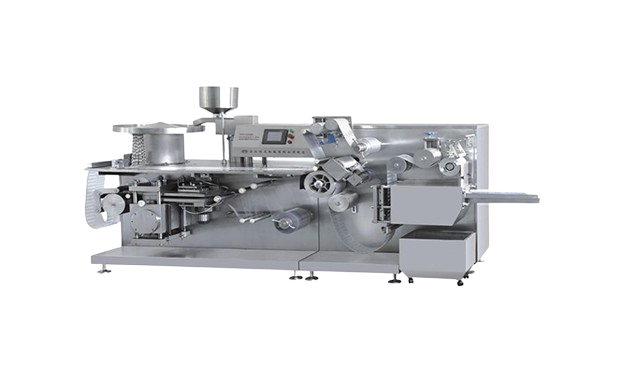
Capsules deserve a proper mention because they’re the closest cousin in the solid-dosage family, and making a standard tablet runs through its own steps—granulation, drying, and then a tablet press machine that compresses the mix into a single dose. That’s a wholly different path from dropping one in water, and it’s why tablet and effervescent lines don’t share tooling or quality checks.
Why effervescent vitamin C tablets are so popular

Vitamin C is the poster child for this format, and it didn’t get there by luck. It dissolves in water without fuss; people take it daily, and the orange-lemon fizz makes a routine dose feel less like medicine. For anyone who dislikes swallowing pills, effervescent vitamin C tablets turn a chore into a drink. The fizz is oddly satisfying, which is probably why people stick with it.
The appeal runs deeper than taste. Because the nutrient is already in solution, blood levels can climb faster than with a dry capsule, and the extra water doesn’t hurt—most adults don’t drink enough through the day anyway. For athletes, for anyone bouncing back from a rough week, or for older people who struggle with large pills, that mix of fast delivery and built-in hydration is genuinely useful.
But the vitamin C version carries the same caveats as any effervescent formula, plus a couple of its own. Each tablet leans on sodium bicarbonate for the fizz, so a single dose can carry a real amount of sodium. The acid in the dissolved drink is hard on tooth enamel if you sip it slowly or hold it in your mouth. And because it tastes like a soft drink, it’s easy to lose count and take more than the label says—which matters, since high vitamin C intake over time nudges kidney-stone risk up in susceptible people.
Common side effects and who should be careful
For most healthy adults, used as directed, effervescent tablets are fine. The trouble appears at the edges—with overuse, with certain health conditions, or alongside specific medicines.
- Sodium load. The bicarbonate that makes the fizz also adds sodium. People on low-sodium diets, or those with high blood pressure, heart, or kidney problems, should read the label and maybe pick a low-sodium or capsule version.
- Kidney stones. Long-term, high-dose vitamin C (past roughly 1000 mg a day) can lift oxalate excretion, a known stone risk for some.
- Stomach irritation. The acid can bother people with ulcers or chronic reflux, more so on an empty stomach.
- Drug interactions. Vitamin C can shift the effect of warfarin and a few other medicines; if you’re on anything regular, a quick word with a pharmacist is sensible.
- Kids and choking. The dry tablet can lodge in a child’s airway, and the pleasant taste invites overconsumption. Keep the tube sealed and out of reach.
None of these instructions says avoid them. It says, “Read the label, respect the dose, and check with a clinician if your situation is complicated.”
How to store effervescent tablets properly
Moisture is the enemy, period. An effervescent tablet is built to react with water, so any humidity in the air starts that reaction early—leave the cap off, and you’ll soon find a tube of half-dissolved, sticky tablets. Keep them in the original tube with its desiccant, snap the lid tight after every use, and store them somewhere cool and dry. Bathrooms are a poor choice despite the convenience; the steam from a shower is precisely the humidity that ruins them. A bedroom drawer or a kitchen cupboard away from the stove does the job better. If a tablet looks cracked or powdery before you’ve even opened the pack, that’s a storage or shipping slip, not your fault.
Packaging and manufacturing trends: the role of the effervescent tablet tube

The tube isn’t just a container. It’s the main barrier between a stable tablet and a humid room, which is why the effervescent tablet tube has drawn so much engineering attention. Modern tubes use multi-layer barrier plastics and desiccant-lined caps that push moisture vapor transmission down to around 0.05 g per day—enough to keep tablets stable even in tropical climates where humidity tops 80 percent.
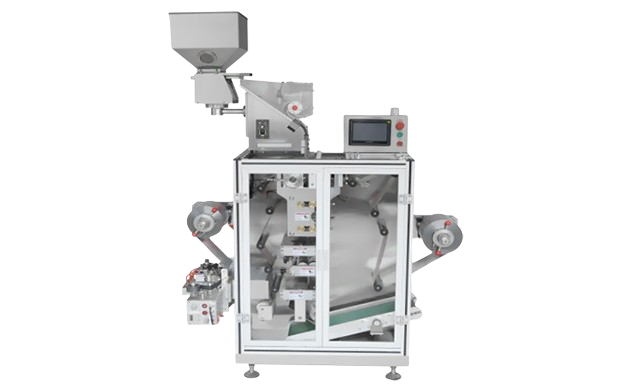
Line speed has moved fast. A modern tube filling machine runs roughly 100–120 tubes a minute, about a million tablets per shift, with modular setups that swap tube diameters without a full retool. A few packaging options lead the field:
| Packaging option | Protection level | Best for | Typical line speed |
| Tube with desiccant cap | High (integrated) | Daily-use supplements | 100–120 tubes/min |
| Aluminum blister | Very high (per unit) | Clinical / travel | Slower, per-card |
| Stick pack / sachet | Good, single-use | On-the-go sachets | Medium |
| Bottle with desiccant | Medium–high (bulk) | Bulk nutraceuticals | High |
Two trends stand out. One is smart packaging — QR codes and humidity-indicator tags built into the tube, which some studies tie to an 18–25 percent lift in adherence because people actually remember to take their dose. The other is sustainability: mono-material polypropylene and bio-based PLA tubes that recycle more easily, pushed along by tightening EU packaging rules. Underneath all of it, cGMP compliance and clean, automated handling are now baseline expectations rather than features you pay extra for. Asia-Pacific is the fastest-growing region for this equipment, which tracks with the region’s growing pharmaceutical capacity.
From formula to finished tube: the production side
What looks simple on the shelf is the end of a fairly involved chain. The active and the effervescent pair get blended and granulated; the mix is compressed or kept free-flowing, and then it has to survive the trip into a moisture-blocking tube without reacting early. Granulation in particular decides a lot — uniform particles dissolve cleanly, which is why the method shows up so often in serious effervescent programs.
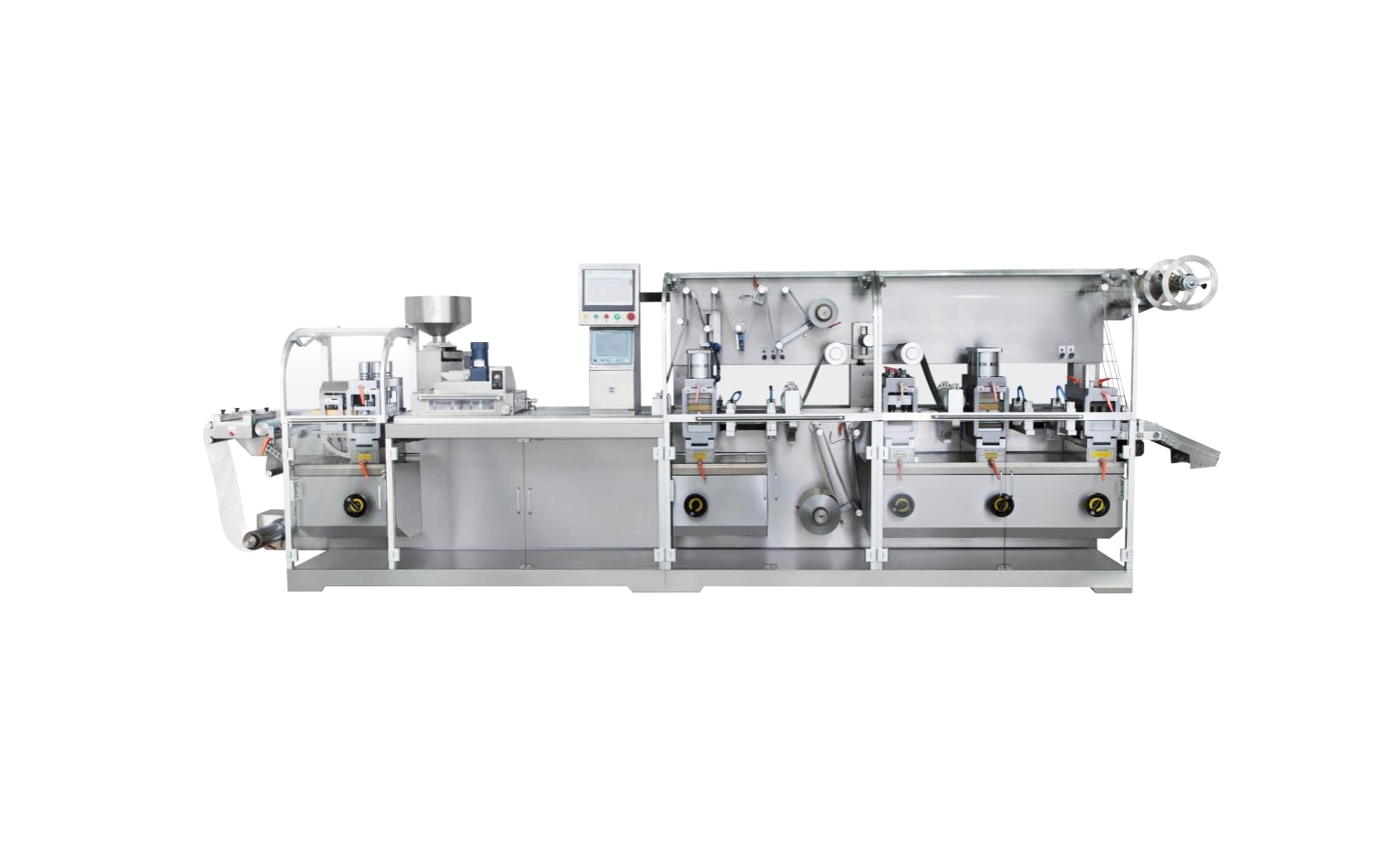
Pulling the whole thing together into one compliant workflow is the harder part, and a solid dosage line built around GMP is where the real engineering sits—granulation, compression, and tube filling lined up so output stays consistent at high speed. Teams planning to build or expand an effervescent program can reach out to discuss a setup matched to their volume, format, and compliance needs, rather than bolting stages together after the fact.
FAQ
Can effervescent tablets stand in for fresh fruit or a balanced diet for vitamin C?
They cover the number, no question — one tablet often supplies a full day’s vitamin C — but they don’t replace the fiber, flavonoids, and dozen-odd co-nutrients in an orange or a bowl of peppers. Think of them as a backup for days when you don’t get fruit, not as a reason to skip it. The body also takes up food-source vitamin C alongside other compounds a bare tablet simply doesn’t carry, so the two aren’t quite interchangeable.
Sugar-free vs. low-sodium effervescent tablets—how do you actually read the label?
Instead of focusing on the front-of-pack claims, turn your attention to the supplement facts and ingredients. “Sugar-free” normally means a sweetener like stevia or sucralose instead of sucrose, which helps if you’re watching calories or blood sugar. “Low-sodium” or “sodium-free” matters more for blood pressure and kidney concerns, and you’ll find it in the sodium row of the panel. If neither appears, assume the standard sodium-bicarbonate base is present and dose accordingly.
Why does a tablet sometimes fail to dissolve or leave sediment at the bottom?
A tablet that won’t fully break down or leaves a gritty layer usually points to a formulation or storage problem rather than user error—humidity before purchase, a weak effervescent pair, or a filler that doesn’t fully solubilize. A little sediment in a vitamin C drink is common and mostly harmless, but persistent clumps or a tablet that just sits there suggest the batch’s quality slipped, and it’s worth switching lots or brands rather than pushing through.