If you have ever pushed a tablet through a foil-backed plastic pocket, you have used a blister pack. It is one of the most common packaging formats in the pharmaceutical industry, and it shows up across retail shelves everywhere.
Blister packs are used for three main things: unit-dose packaging of tablets and capsules, sterile packaging of medical devices, and carded retail packaging for small consumer goods such as toys, batteries, and hardware. In each case, the format protects every individual unit from moisture, contamination, and tampering until the moment it is used.
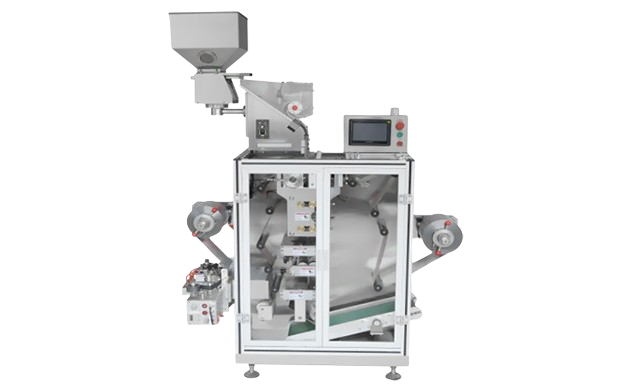
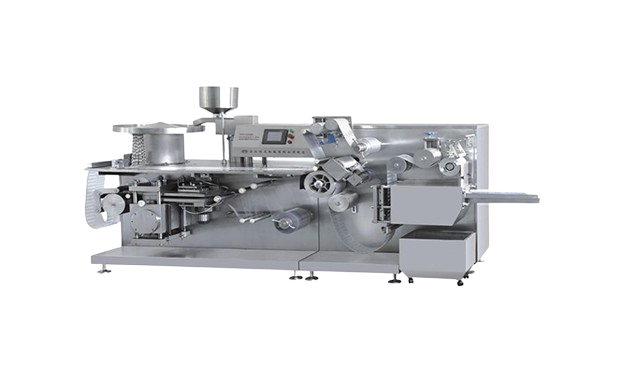
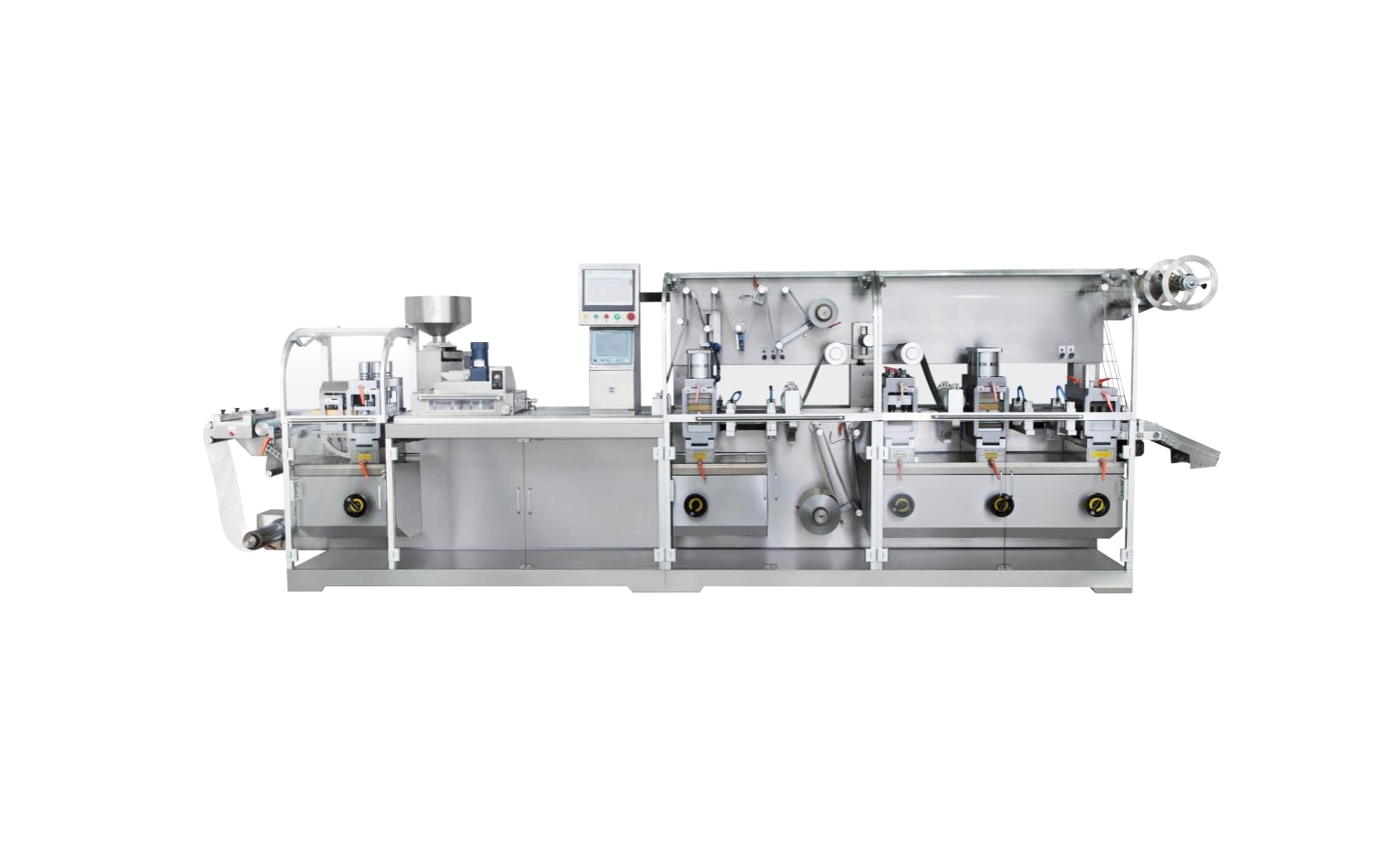
For buyers who produce these packs rather than just use them, the table below gives a quick view of SED’s blister packaging equipment range. Specifications are published on the linked product pages.
| Machine series | Capacity | Forming materials | Typical applications | Quotation |
|---|---|---|---|---|
| SED-P thermoforming series | 1,800–3,000 plates/hr | Thermoformed plastic with aluminum lidding | Pharmacy tablet and capsule blister packs | Project-based inquiry |
| SED-GP roller-plate series | 150–240 plates/min | PVC hard sheet (0.25–0.35 mm) with PTP aluminum foil | High-speed capsule, tablet, candy, and small parts packaging | Project-based inquiry |
| SED-TP alu-plastic series | Up to 140 plates/min | PVC, tropical aluminum, cold-formed aluminum | Moisture-sensitive medicines, medical devices, health products | Project-based inquiry |
Data source and notes: figures above are taken from the linked SED Pharma product pages, verified September 8, 2026. Final configuration and pricing depend on your product, blister layout, and output target.
If you are comparing blister packaging equipment for a new line, send your product details through the inquiry form on any of these pages, and you will get a configured quote back. Now let’s look at where blister packs are used, what they are made of, and what matters when you choose a machine to produce them.
What is blister packaging?

Blister packaging is a pre-formed packaging format made of two parts: a cavity that holds the product and a lidding material that seals the cavity shut. The cavity is usually thermoformed plastic or cold-formed aluminum. The lidding is typically aluminum foil, paperboard, or plastic film.
According to Wikipedia’s definition, a blister pack is any of several types of pre-formed plastic packaging used for small consumer goods, foods, and pharmaceuticals. Its primary component is a cavity or pocket made from a formable web, usually a thermoformed plastic, with a backing of paperboard or a lidding seal of aluminum foil or plastic.
In regulatory terms, this pair is the container closure system, and the plastic that touches the medicine is treated as a packaging material of construction rather than ordinary film. The FDA guidance on container closure systems for human drugs and biological products describes how that suitability is assessed, while the EMA guideline on plastic immediate packaging materials sets out the documentation required in a European marketing authorization.
That is why film suppliers publish identity, extractables, and barrier data for each grade instead of one generic specification. USP general chapter 661 provides standards for the plastic materials and components used to package pharmaceutical products, and it is the reference most suppliers and drug manufacturers work back from when they qualify a new film.
You may also hear the term bubble pack. In everyday use, bubble pack and blister pack mean the same thing: a raised plastic bubble sealed against a backing. The term “blister pack” is standard in the pharmaceutical and packaging industries, while “bubble pack” is more common in casual retail language.
The requirements change when the cavity holds a sterile medical device instead of a tablet. ISO 11607-1 covers the materials and sterile barrier systems used for terminally sterilized devices, including the microbial barrier, seal integrity, and shelf-life expectations that a pharma blister is not tested against.
How well a pack protects its contents depends on the film structure, not on blister packaging as a category. Suppliers publish typical moisture vapor transmission rates under defined conditions: PVdC-coated structures are commonly quoted at roughly 0.05 g/m²/day, and PCTFE laminates at roughly 0.03 g/m²/day, both at 38 °C and 90% RH. Those values shift with coating weight, film thickness, and construction, so a material should be selected against the datasheet for the exact grade you plan to run rather than a category average.
Adherence packs, where days and times are printed above each cavity, may help patients follow a complex regimen, but whether they do depends on the patient, the regimen, and how the pharmacy dispenses the pack. It is a dispensing decision rather than a built-in property of the format.
Recycling is limited by the same construction that makes the format effective. Because most packs bond plastic to aluminum foil, household collection systems generally cannot separate them, and specialist take-back programs such as the CiPPPA blister recycling work exist only in some markets. Check what your local recycling authority or pharmacy accepts before assuming a pack can be recycled.
Today, a blister packing machine forms the cavities, fills them, seals the lidding, and punches out finished cards in one continuous process.
Technical review: this section was checked against the linked sources on 11 September 2026. Regulatory guidance and standards are revised periodically, so confirm current versions with your regulatory team before using this text as a compliance reference.
What are blister packs used for?
Blister packs serve three core applications: pharmaceutical unit doses, sterile medical devices, and carded retail goods. Food portions and a few specialty products round out the list. Each application uses the same basic structure but values different properties of it.
Pharmaceutical unit-dose packaging
This is the use of blister packs. Tablets, capsules, and lozenges are sealed one per cavity, which gives every dose its own barrier against moisture, oxygen, and light.
Unit-dose packaging brings several practical benefits:
- Tamper evidence: once a cavity is pushed through or peeled, it cannot be resealed invisibly
- Dose accuracy: patients see exactly how many doses remain
- Shelf life: each dose stays protected until it is pushed out, unlike a bottle where every opening exposes all tablets
- Lot traceability: batch numbers and expiry dates print directly on the foil
Pharmacy blister packs also support medication adherence. Compliance packs arrange doses by day and time, so a patient on a complex regimen can see at a glance whether they took the morning tablets.
Who qualifies for this kind of pack? In practice, pharmacies prepare adherence packs for people on multiple daily medications, elderly patients, people with memory difficulties, and those supported by carers or in care homes. There is no universal eligibility rule. The pharmacy assesses each patient’s situation and decides whether a compliance pack will genuinely help.
Medical device and sterile packaging
Medical blister trays work differently from pharmaceutical blisters. They are solid, peel-open trays rather than push-through packs, and they hold sterile devices such as syringes, catheters, dressings, and surgical instruments.
The key requirement here is a sterile barrier. The tray and its lid must keep the contents sterile through transport and storage, then be peeled open cleanly at the point of use without shedding particles. Hospitals rely on this format because the device inside can be presented directly to a sterile field.
Material choice here follows the same logic as in pharma. Transparent films let staff identify the device without opening the pack, while the lidding is engineered to peel in one smooth motion. For buyers, this application is a reminder that blister packaging is not one product but a family of designs, each tuned to what it holds.
Consumer goods and retail packaging
Walk through any supermarket or hardware store and you will see carded blister packaging everywhere. A clear plastic shell is heat-sealed to a printed card, and the card hangs on a display peg.
Typical products include:
- Toys and action figures
- Batteries and small electronics
- Hardware items like screws, drill bits, and utility knives
- Toothbrushes, razors, and personal care items
Blister packaging design matters a lot in retail. The transparent shell lets shoppers examine the product, while the card carries branding and product information. The format also deters theft, because the pack is bulky relative to the product and hard to open quietly in a store.
Common retail variants include the standard face-seal blister, slide blister packaging where the shell slides onto a flange on the card, and clamshell packs that fold shut around higher-value items.
Food and other everyday products
Food uses of blister packs are smaller in volume but easy to recognize: chewing gum, medicated lozenges, butter and jam portions served in hotels, and single-serve condiments. Contact lenses are another well-known example, sealed in individual saline-filled cavities.
These products also show how far the format travels beyond the pharmacy. The same forming and sealing principles that protect a tablet also keep a gum pellet crisp and a contact lens sterile, which is why blister packaging machines often serve food and consumer goods producers as well as pharmaceutical plants.
Blister packaging types and materials
Blister packs fall into two families based on how the cavity is formed: thermoformed plastic blisters and cold-formed aluminum blisters, often called alu alu. The choice between them comes down to barrier performance, visibility, speed, and cost.
Thermoformed plastic blisters
In thermoforming, a plastic film is heated until soft, then pressed or pulled into a mold. Vacuum forming is the most common version of this process. The main films are
- PVC: low cost and easy to form, but a weak barrier against moisture and oxygen
- PVC/PVDC: a PVDC coating applied to PVC significantly improves the barrier
- PVC/PCTFE: a PCTFE laminate gives a very high moisture barrier for sensitive drugs
- COC: a cyclic olefin copolymer with good barrier properties and clean forming behavior
The big advantage of plastic blisters is transparency. The patient or shopper can see the product, which supports both adherence and retail appeal. In pharmaceutical production, a thermoforming blister packaging machine forms PVC-based cavities, feeds the product, seals the lidding foil and punches finished blister cards.
Cold-formed alu alu blisters
Cold-formed aluminum generally provides a higher barrier to moisture, oxygen, and light than standard PVC-based thermoformed structures. Suitability should be confirmed from product stability data, film specification, and target-market conditions.
| Characteristic | Thermoformed PVC blister | Cold-formed Alu-Alu blister |
|---|---|---|
| Moisture and oxygen barrier | Moderate; higher with PVDC or PCTFE | Very high |
| Product visibility | Transparent | Opaque |
| Forming speed | Faster | Slower |
| Pack size | Smaller | Larger |
| Material cost | Lower | Higher |
Advantages and disadvantages of blister packs

Blister packs offer unit-dose protection, tamper evidence, adherence support, product visibility, and efficient retail display. Their disadvantages are opening difficulty for some users, hard recycling, unsuitability for liquids, and higher per-unit material use for large-count products.
The advantages in more detail:
- Each dose or item has its own sealed barrier
- Tampering is immediately visible
- Printed lidding carries batch, expiry, and dosing information
- Transparent plastic supports product visibility
- Carded formats hang on pegs and display well
- At scale, per-pack costs are competitive with alternatives
Disadvantages to consider
No format is perfect, and blister packs have known weak points:
- Opening difficulty: elderly users and people with arthritis can struggle with push-through foil, and child resistance varies by design
- Recycling: most blisters combine plastic and aluminum in one small pack, which standard curbside systems cannot separate
- Product limits: liquids, very fragile items, and products that need headspace do not fit the format
- Material use: for high-count products, a bottle may use less material per dose than individual cavities
How blister packs are made
Thermoformed packs start as a heated plastic film that is formed into cavities, filled, sealed with lidding, and punched into cards. Cold-formed packs stamp an aluminum laminate into shape at room temperature, then follow the same fill-and-seal sequence.
The process matters to users, not just producers. Thermoforming creates the transparent cavities that make retail display and dose visibility possible. Cold forming creates the opaque, high-barrier cavities that moisture-sensitive medicines depend on. Peel-open medical trays use yet another seal design, optimized for a clean, particle-free opening rather than push-through access.
In other words, each application from the sections above maps to a specific forming method, film structure, and seal type. When a pack fails in the field, the cause is usually a mismatch between these three choices and the product inside.
From application to production: choosing blister packaging equipment

Once you know which blister format your product needs, the equipment question follows naturally: the machine must match your forming method, your film range, and your target output, and it must prove all three in a trial run with your actual product.
The points that most often decide a purchase:
- Forming method: thermoforming for transparent PVC-based packs, cold forming for Alu Alu, or a machine that handles both
- Material range: confirm the exact films you plan to run, from PVC and PVDC-coated structures to tropical aluminum and cold-formed laminate
- Capacity in real terms: plates per minute against your blister layout, not just a headline hourly figure
- Changeover: how long a format change takes when you run multiple products, and whether it needs tools
- Line fit: the blister machine sits between your upstream tablet press or capsule filler and your downstream cartoner, so interfaces matter from day one
A trial run with your real product and real film verifies forming depth, seal integrity, and actual output in a way no specification sheet can. For a detailed trial-material list, supplier evaluation criteria, and a full quotation checklist, SED’s blister pack guide covers the procurement side step by step, and our engineers can configure a proposal from your product details and target output.
Conclusion
Blister packs are used wherever individual units need protection, visibility, and tamper evidence: pharmaceutical unit doses, sterile medical devices, carded retail goods, and portion-packed foods. The format’s two families, thermoformed plastic and cold-formed Alu Alu, cover everything from everyday tablets to the most moisture-sensitive medicines.
If you are planning or upgrading a blister packaging line, the fastest route to a real answer is a trial run on your own product. Send SED your product details, target output, and film materials through the inquiry form, and our engineers will come back with a configured machine proposal and quotation.
FAQ
Do pills need to stay in blister packs?
In general, yes. Each sealed cavity is the primary barrier protecting that dose from moisture and air. Moving tablets into a pill organizer is common practice, but it shortens the effective protection, so organizers work best for short periods in dry conditions. For moisture-sensitive medicines, follow your pharmacist’s advice before repacking anything.
Can blister packs be recycled?
Standard curbside recycling usually cannot handle blister packs, because they fuse plastic and aluminum into one small item. Some pharmacy take-back schemes and specialist programs accept them, and newer mono-material plastic blisters are easier to recycle. Check what is available locally rather than putting blisters in a mixed recycling bin.
What is the difference between a blister pack and a strip pack?
A blister pack holds each unit in a rigid, preformed cavity. A strip pack seals each unit between two layers of flexible foil or film, with no formed cavity at all. Strip packs are cheaper and more compact, but they offer no product visibility and less physical protection against crushing.