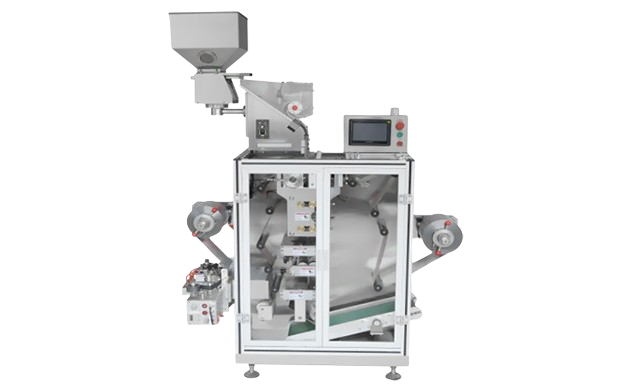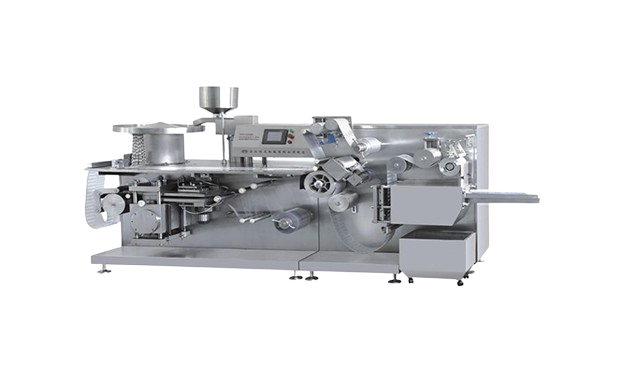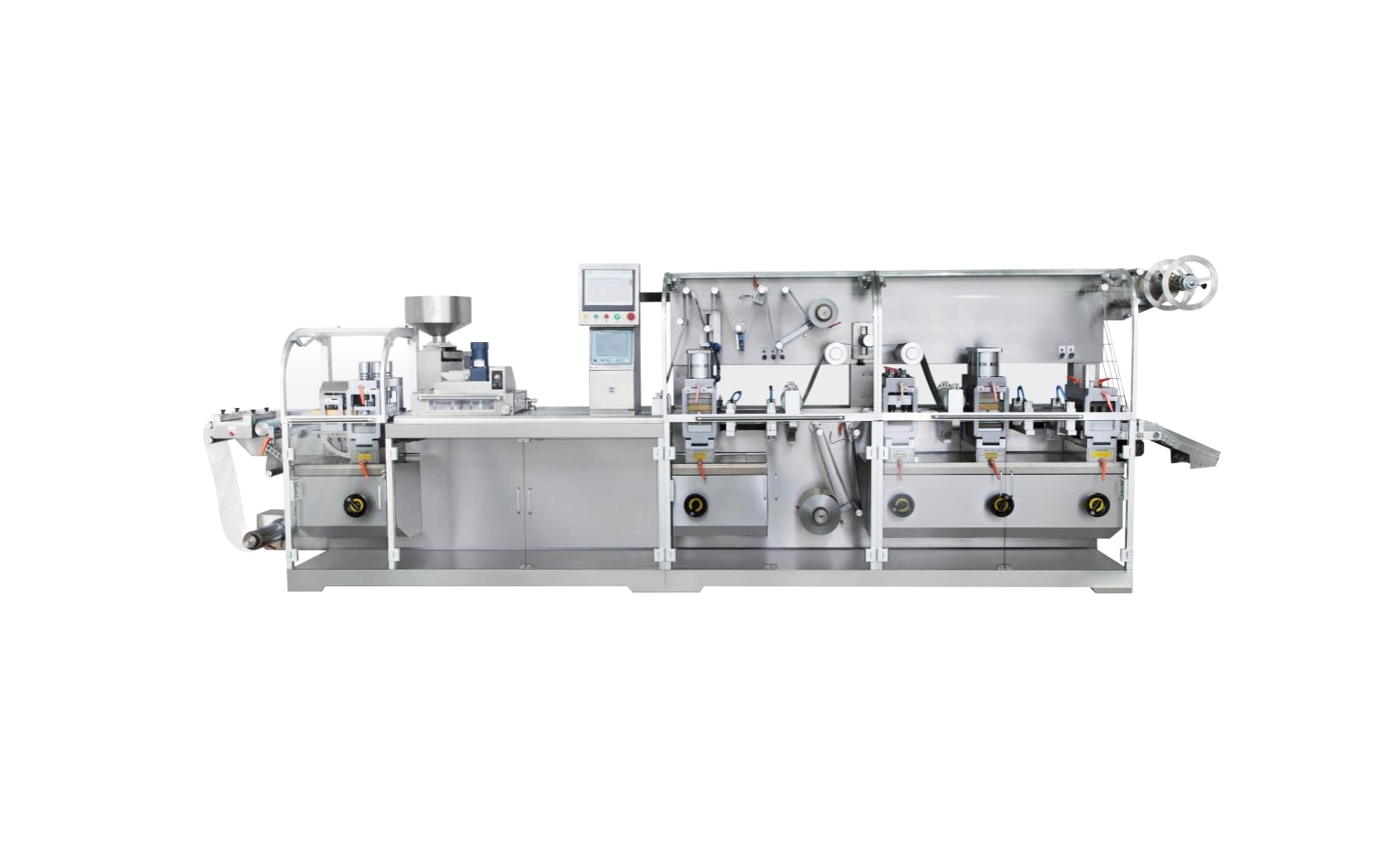
Tablet presses range from compact lab units to fully automatic lines that run around the clock, and buyers often struggle to match machine types to real production needs. The different types of tablet presses fall into two main categories: single punch presses, which form one tablet per stroke, and rotary tablet presses, which use a rotating turret with multiple punch and die stations for continuous output.
High-speed, multi-layer, and other specialty models are extensions of these two designs. The right choice depends on your output target, tablet size, and formulation. Below is a quick comparison of SED’s tablet press range before we go into detail.
As a practical starting point within SED’s current machine range, production requirements below approximately 5,000 tablets per hour are often suited to a single-punch press. For continuous commercial production, higher output, or greater automation, a rotary tablet press is usually the better choice. Final selection should also consider tablet size, formulation, operating hours, and future capacity requirements.
| Type | Model Series | Production Capacity | Max. Tablet Diameter | Best For | Pricing |
|---|---|---|---|---|---|
| Single punch | SED-DY-D series | 1,200–5,000 pcs/hr | 25 mm | Lab trials, R&D, small batches | Request a quote |
| Rotary | SED-Y-A series | 15,000–97,200 pcs/hr | 40 mm | GMP-compliant mid-scale production | Request a quote |
| High-speed rotary | SED-GY-B series | 30,000–675,000 pcs/hr | 25 mm | Mass production, double-sided output | Request a quote |
Capacity and specifications in this table are taken from SED’s published product pages. Not sure which type fits your project? Please send us your output target and tablet specifications. We’ll return a recommended model, estimated configuration, machine layout, and quotation within 24 hours.
The sections below explain how each type works, where it fits, and how to choose between them.
The two main types of tablet press machines

Every tablet press machine on the market is either a single punch press or a rotary press; all other types are variations built on these two working principles.
A single punch tablet press, also called a single station or eccentric press, uses one set of tooling: a die and a pair of upper and lower punches. It compresses one tablet per stroke. A rotary tablet press carries many punch and die sets on a rotating turret, so filling, compression, and ejection happen continuously as the turret turns.
| Factor | Single Punch Press | Rotary Tablet Press |
|---|---|---|
| Tooling stations | 1 | 17 to 75+ |
| Compression | Upper punch only | Both upper and lower punches |
| Typical output | Thousands of tablets per hour | Tens of thousands to hundreds of thousands per hour |
| Operation | Manual or motor-driven | Fully automatic |
| Footprint | Desktop or benchtop | Floor-standing |
| Typical user | Labs, startups, small batch producers | Pharmaceutical and supplement manufacturers |
Output ranges here are general industry experience, not fixed specifications. Actual capacity depends on the model, tooling, and material. When suppliers describe a tablet compression machine as high-speed, multi-layer, or automatic, they are describing a rotary press with added capability. Understanding the two base types makes every other variant easier to evaluate.
Single-punch tablet press: small batches and R&D
A single-punch tablet press is the simplest and most affordable type of tableting machine, built for laboratory work, formulation development, and small batch production.
How a single punch press works
The machine holds one die and one pair of punches. Powder flows from the hopper into the die cavity, the upper punch drives down to compress the material while the lower punch stays stationary, and the lower punch then rises to eject the finished tablet. Fill depth, tablet thickness, and compression force are all adjusted by hand, which gives operators precise control over each parameter.
Smaller models can be hand-operated, which is why this type is sometimes called a manual tablet press or handheld pill press in supplier catalogs. Motor-driven benchtop versions handle continuous small-scale runs.
Who should use one?
This type suits three groups of buyers. Research laboratories use it to test formulations with minimal material. Startups and compounding facilities use it for pilot batches before committing to larger equipment. Manufacturers of irregular or large-diameter tablets, such as big calcium tablets or shaped candy pieces, use it because tooling changes are fast and inexpensive.
SED’s single punch tablet press machine covers this segment with four published models. The SED-1.5DY1-D is a compact unit producing 1,200–2,400 tablets per hour, while the SED-6DY-D reaches 4,500 tablets per hour with up to 60 kN of pressure and a maximum tablet diameter of 25 mm. These figures come from SED’s product page and give a realistic picture of what this machine class delivers.
The trade-off is clear. A single punch press cannot scale. If your business plan calls for hundreds of thousands of tablets per shift, this type will become a bottleneck within months.
Rotary tablet press machine: built for continuous production

A rotary tablet press machine is the standard choice for commercial tablet manufacturing because it produces uniform tablets continuously at high speed with automatic weight control.
How a rotary press works
Dies sit around the edge of a rotating die table, with matching upper and lower punches held in turrets above and below. As the turret turns, cam tracks guide each punch through a fixed sequence. The lower punch drops to let powder overfill the die, rises to meter the exact fill weight, and a swipe blade removes the excess. Pre-compression rollers then tamp the powder to expel air before the main compression rollers apply full force from both sides. Finally, the upper punch withdraws, the lower punch lifts the tablet clear of the die, and a take-off plate sweeps it into a discharge chute.
Because both punches move during compression, a rotary press applies force more evenly than a single-punch machine. The result is tighter weight variation and more consistent hardness across long runs, which is what pharmaceutical tablet press machine buyers are usually paying for.
Standard rotary vs. high-speed rotary
Standard rotary models serve R&D scale-up and mid-volume GMP production. SED’s rotary tablet press machine, the SED-Y-A series, is a fully automatic single-press design with an enclosed stainless steel structure. The 17-station SED-420-17Y-A has a published capacity of 15,000 tablets per hour and a maximum tablet diameter of 40 mm.
High-speed rotary presses add force-feeding systems, pressure sensors, and servo controls to push output far higher. SED’s high-speed rotary tablet press machine, the SED-GY-B series, is a double rotary design covering 32 to 75 punch stations. Published capacity runs from 30,000 up to 675,000 tablets per hour on the 75-station model, with main pressure between 80 and 100 kN. Machines in this class typically suit dedicated lines making one product in very large volumes.
As a general rule across the industry, moving from standard rotary to high-speed rotary makes sense only when a single product’s annual volume justifies the higher investment and tooling cost. A supplier can help you run this calculation against your own production plan.
Specialty tablet presses for complex products
Specialty tablet presses are rotary machines modified to handle products that a standard press cannot make, including multi-layer, effervescent, and very large tablets.
Multi-layer tablet press
A multi-layer tablet press feeds two or more different powders into the same die in sequence, tamping each layer lightly before the next is added, then compressing them together. Manufacturers use this design for combination drugs that must stay chemically separate until ingestion and for sustained-release products where each layer dissolves at a different rate. Tooling and feed frame configuration are more complex than on a standard press, so buyers should confirm layer-count capability during the trial run rather than from a brochure.
Effervescent and large-diameter presses
Effervescent tablets react with moisture, so presses for this application typically run in low-humidity rooms with sealed feeding systems and corrosion-resistant contact parts. Large-diameter and hydraulic tablet presses serve products like big veterinary boluses, cleaning tablets, and catalyst carriers, where diameters and compaction forces exceed what a standard pharmaceutical rotary press can deliver. These are niche builds, and experienced suppliers usually configure them case by case based on a material trial.
How to choose the right type of tablet press machine

Start from your output target and work backward: the required tablets per hour decide the machine type, and your formulation then decides the configuration.
A practical selection sequence looks like this:
- Define hourly output. Under roughly 5,000 tablets per hour, a single punch press is usually enough. Between 15,000 and 100,000, a standard rotary press fits. Above that, evaluate high-speed rotary models. These thresholds are industry experience, not fixed rules, so treat them as a starting point.
- Check tablet size and shape. Maximum diameter and pressure ratings limit what each model can press. Shaped, scored, or double-side printed tablets need matching tablet press tooling.
- Assess your material. Poor flow or high moisture content may require a force-feeding system or pre-compression. Send a material sample for a trial run before you commit.
- Confirm tooling standards. B and D tooling under the TSM or EU standards affects spare part availability and tooling cost over the machine’s life.
- Match automation to your team. An automatic tablet press machine with servo control and pressure monitoring reduces operator workload but adds cost. A simpler machine with a skilled operator can be the better buy at lower volumes.
Price follows this logic too. In general, a tablet press machine price rises with station count, automation level, and containment features, but there is no standard market price for a given configuration. The reliable way to compare is to request itemized quotes against the same output and tooling specification, and submitting your specification is what gets you the detail you need to decide.
Send your output target, tablet drawing, and material details, and SED returns a model recommendation, detailed machine information, real photos of the machine and its tooling, and running video of a comparable unit. If there is something specific you need to see before you decide, ask in the same message and we will confirm what we can provide.
If you have worked through these five points, you already have everything a supplier needs to quote accurately. Share your output target, tablet drawing, and material details through the inquiry form, and SED’s engineers can review your project and respond with a model recommendation and quotation.
Quick model selector
Match your required hourly output to a starting series, then confirm the final configuration during a material trial. All capacity figures below are taken from SED’s published product pages.
| Required output | Machine type | Recommended series | Published capacity | Max. tablet diameter |
|---|---|---|---|---|
| Up to 5,000 pcs/hr | Single punch | SED-DY-D single-punch tablet press machine | 1,200–5,000 pcs/hr | 25 mm |
| 15,000–97,200 pcs/hr | Standard rotary | SED-Y-A rotary tablet press machine | 15,000–97,200 pcs/hr | 25–40 mm |
| 30,000 pcs/hr and above | High-speed rotary | SED-GY-B high-speed rotary tablet press machine | 30,000–675,000 pcs/hr | 25 mm |
Two ranges need a decision rather than a rule. Between 30,000 and 97,200 pcs/hr, the Y-A and GY-B ranges overlap, so both can reach the target: stay with the Y-A series for mid-scale GMP production and flexible tooling, and move to the GY-B series only when one product runs in very large volumes and the higher automation and tooling cost is justified. Output between 5,000 and 15,000 pcs/hr sits between the two machine classes, so test both ends against your formulation during the trial run.
What to prepare before you request a quote
A complete inquiry with material samples and line information gets you an accurate quote and a workable machine configuration in one round, instead of weeks of back-and-forth.
Most tablet press machine manufacturers, SED included, ask for a material trial before finalizing a configuration. Plan to send a powder or granule sample so engineers can verify flowability and compressibility on the actual machine. If your tablets need upstream granulation or downstream dedusting, metal detection, or coating, mention it early, because these connections affect machine height, discharge direction, and control integration.
You only need to roughly tell us your target output, tablet size, and material. That’s enough for a supplier to make an initial recommendation on the right machine type. Other details can be filled in as we go. Feel free to reach out through the inquiry form on any SED product page—we’ll help you evaluate first.
Final thoughts
Tablet presses come down to two working principles: single-punch machines for lab work and small batches, and rotary machines for continuous commercial production, with high-speed and specialty variants extending the rotary design for volume or complex formulations. Match the type to your hourly output first, then confirm configuration through a material trial. If you are comparing options now, send SED your output target, tablet specifications, and a material sample, and our engineers will recommend a model and return a formal quote for your project.
FAQ
How much does a tablet press machine cost?
There is no published price list, but the market clusters into bands. Current B2B listings put lab-grade single-punch presses at roughly $1,000 to $7,000, small rotary presses of 9 to 19 stations at $3,000 to $18,000, standard rotary presses of 20 to 35 stations at $12,000 to $45,000, and high-speed double-sided models from $80,000 upward, with European-brand and containment builds above that (listed ranges on Made-in-China and Global Sources, checked 23 September 2026).
Treat these as a budgeting band, not a quotation. Four things move the number within a band: station count, tooling standard and material, automation level, and documentation or containment scope.
Can one tablet press make different tablet sizes?
Yes, within limits. Tablet size and shape come from the punches and dies, so changing tooling lets one machine produce different tablets, as long as the new size stays within the machine’s maximum diameter and pressure ratings. Rotary presses also need tooling that matches the turret standard. Frequent size changes favor machines designed for fast changeover.
What is the difference between a tablet press and a pill press?
None, in practice. Both names describe the same tablet compression machine. “Tablet press” is the standard term in pharmaceutical equipment sourcing, while “pill press machine” or “pill making machine” appears more often in general search queries. When you compare suppliers, search both terms but evaluate machines on the same technical criteria.