If you manufacture tablets, capsules, or small consumer goods, you will eventually face a practical question: should your product go into a blister pack or a regular pack such as a bottle, carton, or sachet? The short answer is this.
A blister pack is a pre-formed cavity, usually made of plastic or aluminum, that holds each unit of product separately and is sealed with a lidding material. A regular pack groups multiple units loosely in one container. Blister packs give you unit-dose control, stronger barrier protection, and better tamper evidence, while regular packs are simpler and cheaper for bulk, non-sensitive products.
| Model | Capacity | Applicable Materials | Typical Scenario | Quote Method |
|---|---|---|---|---|
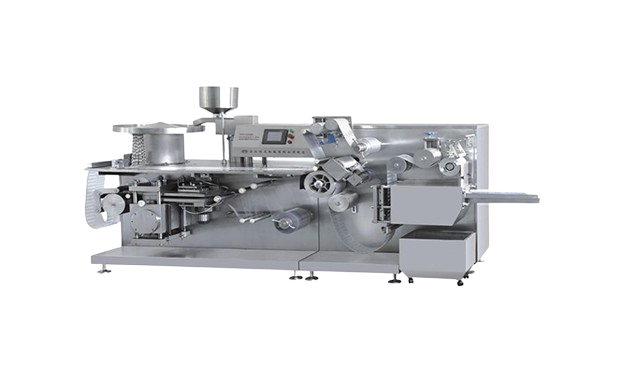
| Automatic Blister Packaging Machine (SED-P-F) | 1,980–9,600 plates/hr | ALU-PVC, paper-PVC, ALU-ALU | General pharma blister lines, flexible formats | Quote on request |
| Thermoforming Blister Packaging Machine (SED-P-A) | 1,800–3,000 plates/hr | PVC hard sheet with PTP aluminum lidding; other forming materials require confirmation for the exact submodel and tooling. | Deep cavities up to 50 mm, larger forming area | Quote on request |
| PVC ALU Blister Pack Machine (SED-TP-B) | 8,400 plates/hr | ALU-PVC | Capsules, tablets, and candies at stable output | Quote on request |
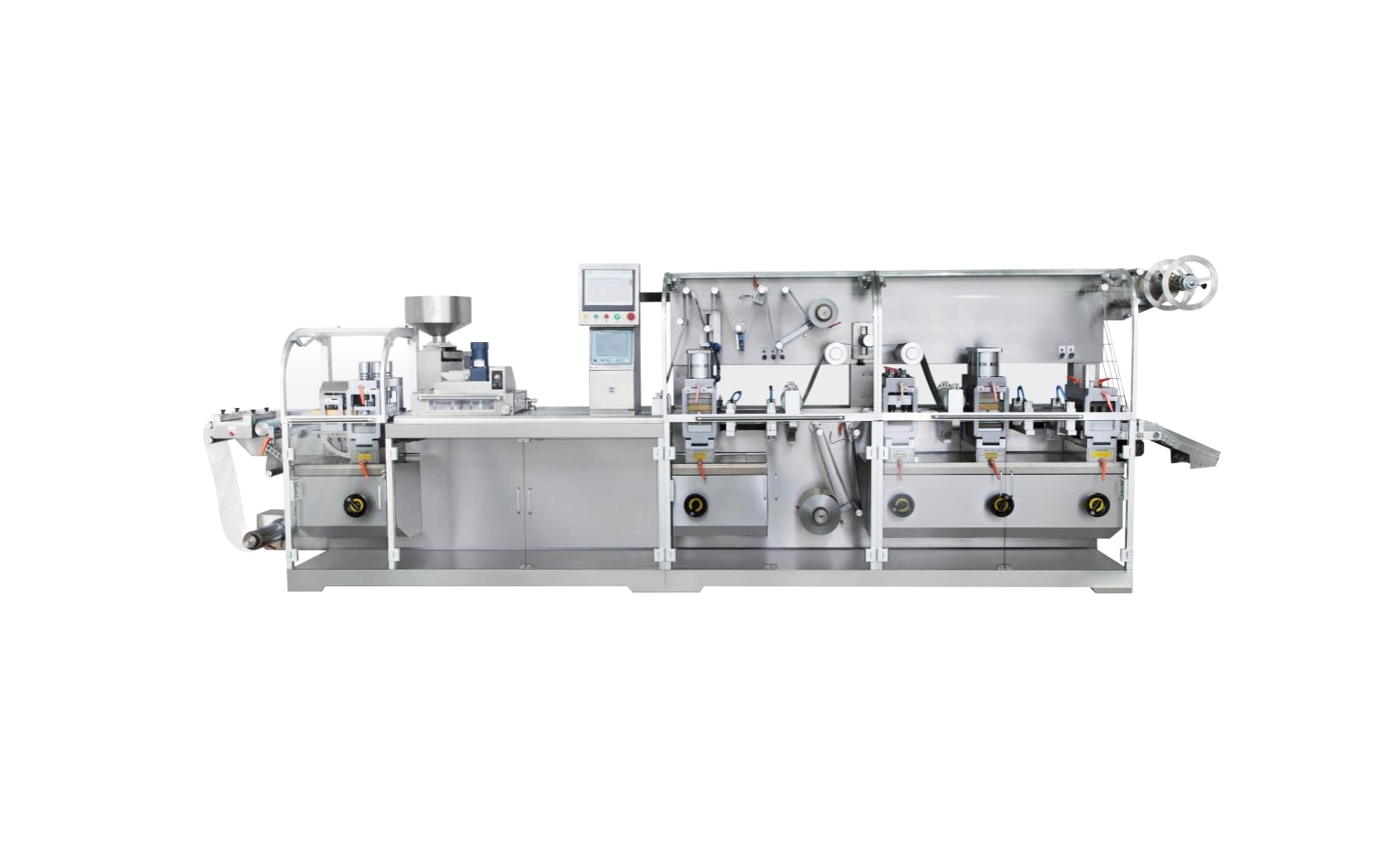
| High-Speed Blister Packing Machine (SED-GP-E) | 9,000–14,400 plates/hr | ALU-PVC, ALU-ALU | High-volume pharmaceutical production | Quote on request |
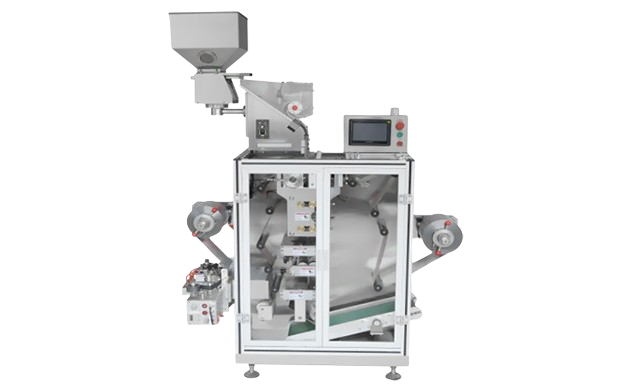
| Automatic Alu Alu Strip Packing Machine (SED-RP-F) | 1,800–66,000 pcs/hr | ALU-ALU strip | Moisture-sensitive tablets, film width 160–350 mm | Quote on request |
Data source: SED Pharma official product pages on sedpharma.com, checked on September 8, 2026. These are published specifications.
If you are comparing packaging formats for a new product or an upgrade, you can send your product details and target output to the SED team for a project-based quotation.
What defines a blister pack?

A blister pack is a unit-dose package built from a formed cavity that holds one tablet, capsule, or item, sealed under a flat lidding layer. That single feature is what sets it apart from a regular pack, where many units sit loose in one container. The sections below compare the two formats directly, so the defining point is simply this: the cavity isolates each dose until it is used.
According to the general definition documented on Wikipedia, a blister pack consists of two main components: a formed base that creates the cavity and a lidding material that closes it. This structure is what separates blister packaging from almost every regular pack format.
Structure and materials
The cavity is usually formed from PVC, PVC/PVDC laminates, PET, or PP through thermoforming, or from aluminum-based laminate through cold forming. The lidding is typically aluminum foil or a paper-foil composite, heat-sealed to the base. Material choice drives barrier performance, which is why pharma blister packaging for moisture-sensitive drugs often uses PVDC-coated films or full alu-alu structures.
On the equipment side, plastic-film cavities are produced on a thermoforming blister packaging machine, while alu-alu structures require cold-forming tooling.
Common blister packaging types
- Face seal blister: the formed blister is sealed onto a printed card, common for retail items such as blister packaging for toys, batteries, and blister pack cards.
- Slide blister packaging: the cavity slides into a folded card without heat sealing, useful for heavier retail goods and blister packaging action figure products.
- Full card blister: the card wraps around the blister for extra rigidity and print area.
- Unit-dose pharma blister: push-through foil lidding, used for blister packs for pills, capsules, and blister packaging medication formats in pharmacies.
- Alu-alu blister: cold-formed aluminum cavities with aluminum lidding, offering near-total light and moisture barrier.
These types cover most blister packaging examples you will see, from blister packaging pharmacy shelves to blister packs, contacts, and small electronics.
What counts as a “regular pack”?
A regular pack is any conventional format where multiple product units share one container without individual cavities. In practice this means bottles, cartons, sachets, and strip packs.
Bottles and cartons
Plastic or glass bottles hold dozens or hundreds of loose tablets, closed with a cap and often placed in a printed carton. This is the classic regular pack for over-the-counter medicines and supplements. It is cheap per unit at high volumes, but every opening exposes the remaining contents to air and moisture, and it offers no way to track whether a single dose was taken.
Strip packs and sachets
Strip packs seal individual tablets between two layers of film, which makes them close cousins of alu-alu blisters, while sachets hold powders or liquids in flat pouches. Both are common in cost-sensitive markets. They protect single doses but lack the rigid cavity that protects fragile tablets from crushing, and they offer little space for per-dose printing.
Blister pack vs. regular pack: key differences at a glance
Are blister packs better than regular packs? Neither format wins everywhere. Blister packs are better when dose control, barrier protection, and compliance tracking matter; regular packs are better when cost per unit and packaging speed for bulk product dominate the decision.
| Dimension | Blister Pack | Regular Pack (Bottle/Carton/Sachet) |
|---|---|---|
| Dose control | One unit per cavity, easy adherence tracking | Loose units, no per-dose control |
| Barrier protection | Each cavity is sealed until use. | Whole contents exposed after first opening |
| Tamper evidence | Visible per-cavity push-through trace | Cap seal only, broken once |
| Product visibility | Product or printed cavity visible | Product hidden inside container |
| Protection from crushing | Rigid-formed cavity | Limited, especially in sachets |
| Cost per unit | Higher material and tooling cost | Generally lower at bulk volumes |
| Shelf presentation | Flat, hangable, large print area | Box or bottle shape, less hangable |
| Line requirements | Forming, filling, sealing, and cutting stations | Filling, capping, and cartoning stations |
For procurement teams, the real comparison is not the pack itself but the total system: material consumption, tooling, machine footprint, and how each format fits your downstream cartoning and serialization steps. The Blister Packing category page lists the station layout for a blister line if you want to compare it against a bottle or carton line.
Where is blister packaging used?

Blister packaging is used wherever a product benefits from individual, protected, and visible units, and it dominates solid oral dose packaging worldwide.
Pharma blister packs for tablets and capsules
The largest application is medical blister packaging: blister packaging of tablets, capsules, and softgels for retail and hospital channels. Pharmacy blister packs support unit-dose dispensing, calendar packs improve patient adherence, and clear blister packaging medication labeling per dose. For manufacturers, this format also simplifies count verification, because every cavity is a fixed unit that vision systems can inspect. High-volume lines usually run this format on a high-speed blister packing machine to keep pace with tablet press and capsule filler output.
Consumer and retail products
Outside pharma, custom blister packaging is standard for blister packaging for toys, hardware, cosmetics samples, and collectible cards. The common thread is the same as in pharma: the product must be visible, protected, and hard to tamper with on a peg hook. For manufacturers, the takeaway is that blister packaging design decisions, such as cavity depth, card size, and hang holes, follow the same engineering logic regardless of industry.
Advantages and disadvantages of blister packs
Blister packs trade a higher per-unit cost and more complex tooling for dose control, protection, and compliance benefits that regular packs cannot match.
Advantages for manufacturers and end users
- Unit-dose integrity: each cavity stays sealed until use, which protects the remaining doses.
- Adherence support: calendar and push-through formats help patients track intake.
- Tamper evidence: a pushed or peeled cavity is permanently visible.
- Inspectability: Automated vision systems can check every cavity for presence, color, and shape.
- Retail display: carded formats hang cleanly and carry large printed areas.
What are the disadvantages of blister packs?
- Higher material cost: formed films and foil lidding usually cost more per unit than a shared bottle, though the exact gap depends on your film specification and order volume.
- Tooling investment: each new product shape needs its own forming and sealing tooling, so frequent product changes add cost and changeover time.
- Push-through difficulty: some elderly users struggle with foil lidding, which is why senior-friendly peelable lidding exists as an option.
- Recycling complexity: multi-material structures such as PVC with aluminum lidding are harder to recycle than single-material packs.
- Pack size limits: large tablets or high-count regimens can make blister cards bulky compared with a compact bottle.
None of these are absolute. They depend on your product, market, and patient group, and most can be engineered around with the right material and tooling choices.
Choosing blister materials: alu-alu vs. PVC
When you weigh blister packaging against a bottle or carton, the material you pick decides how much of the barrier advantage actually holds. PVC or PVC-PVDC thermoformed cavities, made on a thermoforming blister packaging machine, give moderate moisture and light protection at the lowest cost, which suits most standard tablets. Cold-formed Alu-Alu blister packs require a machine configured with cold-forming tooling. An Alu-Alu strip pack is a different format: the product is sealed between flexible webs without a formed cavity.
How to choose between blister and regular packaging for your product
Choose blister packaging when dose accuracy, barrier protection, tamper evidence, or retail visibility is a deciding requirement, and choose a regular pack when bulk cost and filling simplicity matter more than per-dose control.
A workable decision framework looks like this:
- Product sensitivity: if your formulation degrades with humidity, oxygen, or light, unit-dose barrier formats such as Alu-Alu or PVDC blisters usually win over bottles.
- Dose regimen: multi-dose daily regimens benefit from calendar blisters; single large doses may suit sachets or bottles.
- Target channel: hospital unit-dose systems and pharmacy blister packs strongly favor blisters; wholesale bulk channels favor bottles.
- Volume and budget: blister lines need forming, sealing, and cutting stations plus tooling per product. Regular pack lines need fillers, cappers, and cartoners. Compare total installed cost, not just machine price.
- Compliance and serialization: check how each format accepts per-unit printing, coding, and aggregation in your target markets.
On cost, avoid generic numbers. A realistic comparison uses your own film specification, pack format, annual volume, and tooling amortization. A simple way to frame it: unit packaging cost equals material per pack plus amortized tooling and machine cost divided by annual pack output. Your supplier can plug in real figures once you share product dimensions and target capacity.
Once you have a direction, the next step is confirming that your product actually runs well in the chosen format, which is where trial material testing on a real machine comes in. If you want a format recommendation based on your product and output target, contact the SED engineering team for a free evaluation.
Blister packaging equipment: how the line differs from a regular pack line

Blister packs are produced on a blister packaging machine that forms cavities from film, fills product into each cavity, seals a lidding layer over the top, and cuts the finished web into individual cards.
Working principle
A standard line runs four stations in sequence:
- Forming: film is heated and formed into cavities by thermoforming for plastic films or cold forming for aluminum laminates.
- Feeding and filling: tablets or capsules are dosed into each cavity, with sensors checking presence.
- Sealing: Lidding foil is heat-sealed onto the formed web. Sealing temperature, pressure, and dwell time must be controlled for the selected film structure. Confirm the control range and acceptance criteria for the exact machine during FAT.
- Cutting and discharge: the sealed web is punched into cards and transferred to cartoning.
The Blister Packing machines from SED follow the blister flow with PLC control, automatic feeding, and photoelectric monitoring at each stage, while a downstream automatic horizontal cartoner machine handles the cartoning step shared by both formats.
SED blister packing machine models compared
The four main series map to different output and material needs, based on the official published data cited at the top of this article:
- SED-P-F: 1,980–9,600 plates per hour, handles ALU-PVC, paper-PVC, and ALU-ALU, and suits lines that switch formats frequently.
- SED-P-A: 1,800–3,000 plates per hour with a forming depth up to 50 mm, suits deep or large cavities.
- SED-TP-B: 8,400 plates per hour for ALU-PVC, a stable mid-to-high speed option for capsules and tablets.
- SED-GP-E: 9,000–14,400 plates per hour for ALU-PVC and ALU-ALU, the high-speed choice for large-volume pharma production.
- SED-RP-F: 1,800–66,000 pcs/hr (model-dependent), for ALU-ALU strip packaging of moisture-sensitive tablets.
Material compatibility, changeover method and available tooling vary by series and submodel. Confirm the exact film structure, product dimensions, blister layout and changeover requirement in the technical agreement before ordering.
How to get a quote
Blister packaging equipment is quoted per project rather than from a list price, because capacity, mold count, and feeding systems change with your product. To get a usable quotation, prepare your tablet or capsule dimensions, target output per hour, preferred material structure, and any downstream cartoning or inspection requirements.
SED provides installation, training, and a one-year warranty on its blister packing machines, and the team can recommend a model once your product details and capacity target are shared. Send your product details through the inquiry form on the automatic blister packaging machine page to receive a project-based quotation and a model recommendation.
Conclusion: choosing the right pack for your product
The difference between a blister pack and a regular pack comes down to unit-dose control versus bulk simplicity. Blister packs protect and track every dose, display the product, and prove tampering; regular packs keep costs low when protection and per-dose control are not critical. If your product points toward blister packaging, the most reliable next step is to share your specifications with the SED team. Provide your product dimensions, target output, and material structure, and you will receive a model recommendation, installation and training support, and a project-based quotation.
FAQ
Do pills need to stay in blister packs?
In most cases, yes. Tablets and capsules are formulated and packaged to stay stable inside the sealed cavity until use. Once removed, they lose the moisture and light barrier, and stability can no longer be assumed beyond what the manufacturer’s storage guidance allows. Blister packs for pills should only be emptied into other containers when a pharmacist repackages them under controlled conditions.
Can blister packaging be recycled?
It depends on the material structure. Single-material PVC or PET blisters can enter plastic recycling streams where local facilities accept them, while PVC-aluminum and alu-alu structures combine materials that standard municipal systems usually cannot separate, as outlined in the general overview of plastic recycling. Some regions run dedicated collection programs for medicine blisters. If recyclability is a purchasing criterion, ask your material supplier about mono-material blister films, which are an active development area in the industry.
How much does blister packaging cost?
There is no standard figure, and any article quoting one without context should be treated with caution. A realistic estimate has three parts: material cost per pack, which follows your film and foil specification; tooling cost per product shape, amortized over its lifetime volume; and machine investment, which is quoted per project based on capacity and configuration. The most reliable path is to calculate with your own numbers: material per pack, plus amortized tooling and machine cost divided by your annual pack output. Equipment suppliers can return a project-based figure once you provide product dimensions and target capacity.